
Pruning
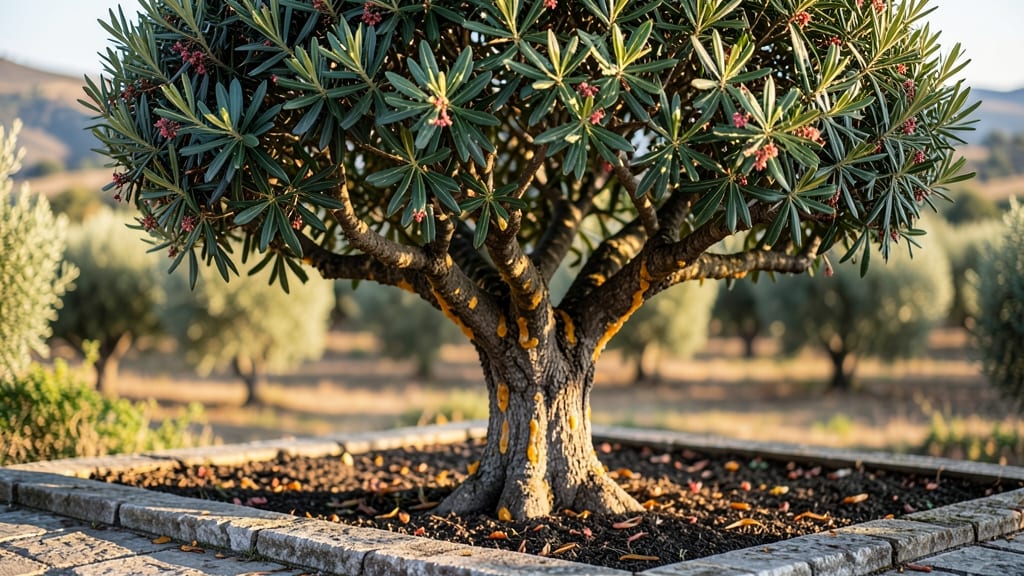
Growing a mastic tree (Pistacia lentiscus) in Chios-style Mediterranean conditions unlocks a golden harvest of resin—nature’s original chewing gum. 🌿 I’ve watched these trees thrive in my own backyard, their silvery foliage shimmering under the sun while producing that prized amber resin.
The secret lies in mimicking their native habitat: dry, rocky soil and minimal interference, especially when it comes to pruning. This isn’t your average pruning job—it’s about shaping the tree to maximize resin flow without stressing it.
Too much cutting back reduces resin production, while the right approach (light pruning in late winter) keeps the tree healthy and productive. The resin itself forms in small wounds on the bark, so we’re not just pruning for shape—we’re pruning for harvest.
By following these steps, you’ll end up with a tree that yields resin year-round, especially after rain or warm spells. The scent is rich and piney, and the harvest—once collected—has been used for centuries in everything from varnishes to traditional medicine.
It’s the kind of plant that turns your garden into a small-scale resin factory. Works beautifully in coastal climates, rocky soils, or even containers with proper drainage. Let’s get your mastic tree growing like the Chios pros do!
📚 In This Guide
- What you need
- Instructions
- Tips and common mistakes
- Wrapping up and next steps
What you need
- ● Mastic Tree Saplings: 1–3 young trees (3–5 years old, Pistacia lentiscus variety, preferably grafted for purity). Pro tip: 💡 Source from a local Chios nursery or certified grower to ensure authenticity!
- ○ Well-Draining Soil: Mix of sandy loam, gravel, and perlite (pH 6.0–8.0). Optional: Add compost for nutrient-rich soil.
- ● Sunlight: Full sun (6+ hours daily). Mastic thrives in Mediterranean climates—Chios’ coastal conditions are ideal!
- ● Watering System: Drip irrigation or hose (avoid overhead watering to prevent fungal issues).
- ● Pruning Tools: Sharp bypass pruners (for small branches).
- ● Pruning saw (for thicker stems, 1–3 inches in diameter).
- ● Disinfectant (70% isopropyl alcohol or bleach solution) to sterilize tools between cuts.
- ● Resin Collection: Small plastic or glass jars (sterilized, 4–8 oz capacity).
- ● Cheesecloth or fine mesh (to filter resin).
- ● Labeling tags (to track harvest dates and tree IDs).
- ● Safety Gear: Gloves (nitrile for resin handling) and sunglasses (resin can irritate eyes).
- ● Climate Check: Ensure your location mimics Chios’ Mediterranean climate (mild winters, hot summers).
- ● Legal Compliance: Verify local regulations—some regions require permits for commercial mastic resin production.
- ● Patience: Resin production peaks after 5–7 years of growth. Plan accordingly!
- ○ Optional Extras: Soil test kit (to monitor pH/nutrients).
- ● Tree support stakes (for young saplings in windy areas).
- ● Journal (to log pruning dates, resin yields, and tree health).
Step-by-Step instructions for pruning a mastic tree in Chios
Mastering the art of mastic tree pruning unlocks its full resin potential—here’s how to do it right.
🪴 Step 1: Assess the Tree’s Structure and Growth Cycle
Begin by examining your mastic tree (Pistacia lentiscus) for signs of mature growth, typically evident in 3-5 year-old branches where resin production peaks. Look for thick, woody stems with a rough bark texture—these are prime candidates for resin harvesting. Avoid pruning new, thin shoots, as they haven’t yet developed the necessary vascular maturity for resin flow.
Schedule your pruning during the late winter to early spring (February-March), just before the tree’s natural sap flow increases. This timing ensures minimal stress while maximizing resin yield. I always prune on a dry, overcast day to prevent sap from drying out too quickly after cuts.
✂️ Step 2: Select and Make Clean Cuts for Resin Flow
Use sharp, sterilized pruning shears to make diagonal cuts at a 45-degree angle, about ¼ inch above a lateral bud or branch collar. Focus on mature branches that are at least ½ inch thick—these are the resin-rich stems you want to stimulate. I avoid cutting into the main trunk unless absolutely necessary, as this can weaken the tree’s structural integrity over time.
Remove dead, diseased, or crossing branches first, as these compete with healthy growth for resources. For resin production, prioritize outer branches exposed to sunlight, as they tend to yield the highest-quality gum mastic. After each cut, wipe the shears with rubbing alcohol to prevent bacterial spread between cuts.
☀️ Step 3: Stimulate Resin Production Through Strategic Pruning
To encourage resin flow, make shallow, horizontal cuts (about ⅛ inch deep) on the sun-facing side of mature branches. These cuts should be 1-2 inches long and spaced 6-8 inches apart along the branch. The tree will respond by exuding a milky-white sap that hardens into the prized gum mastic within 24-48 hours. I always mark these cuts with a small flag or ribbon to track resin development.
After pruning, monitor the tree closely for signs of stress, such as wilting leaves or excessive sap oozing. If you notice any, reduce watering slightly and avoid further pruning until the tree recovers. The goal is to balance stimulation with tree health—over-pruning can lead to reduced resin quality or even tree decline.
🌿 Step 4: Maintain the Tree for Long-Term Resin Yield
Once the initial resin harvest is complete, continue light maintenance pruning throughout the growing season to remove any suckers or water sprouts that emerge. These fast-growing shoots divert energy away from resin production. I also thin out the canopy slightly to improve air circulation and sunlight penetration, which both enhance resin quality.
In late summer or early autumn, conduct a final pruning to shape the tree and prepare it for dormancy. Remove any weak or overly dense branches that could harbor pests or diseases. Mulch the base of the tree with 2-3 inches of organic matter (like wood chips) to retain moisture and protect roots during the colder months.
⏰ Step 5: Harvest and Process Resin for Optimal Quality
After 7-10 days following your initial pruning cuts, return to collect the hardened resin. Gently scrape the amber-colored tears from the branches using a plastic or wooden tool—metal can damage the tree and contaminate the resin. Place the collected resin in a paper bag or breathable cloth to allow any remaining moisture to evaporate naturally.
Store the resin in a cool, dry place away from direct sunlight until ready for use. For year-round harvesting, repeat the pruning process every 3-4 months, always allowing the tree at least 6 weeks of recovery between sessions. This method ensures a consistent, high-quality yield without compromising the tree’s long-term health.
Tips & tricks for pruning mastic trees in Chios
These expert insights will help you maximize resin production while keeping your mastic tree thriving for years.
Branch Selection Wisdom: When evaluating branches in Step 1, focus on those with a diameter of at least ½ inch—these are your resin goldmines. I've found that branches between ¾ inch to 1 inch thick consistently produce the highest-quality gum mastic. For optimal yield, prioritize branches that are slightly curved rather than perfectly straight, as the stress points often yield more resin. Remember, the thicker the branch, the more resin it can produce, but never exceed 1.5 inches in diameter as these may take too long to recover between harvests.
Cutting Technique Precision: In Step 2, the 45-degree angle cut is crucial for two reasons: it prevents water from pooling in the wound (which can lead to rot), and it creates a larger surface area for resin flow. Use your pruning shears to make the cut just above a lateral bud—this ensures new growth will emerge from that exact location. For the shallow horizontal cuts in Step 3, I recommend using a sharp utility knife rather than shears to achieve that precise ⅛ inch depth. The key is to expose the inner bark without damaging the vascular cambium layer beneath.
Stress Monitoring System: After making your resin-stimulating cuts in Step 3, establish a simple monitoring system. Place small numbered flags at each cut location and record the date. Check these locations every 3-4 days for signs of stress—look for leaves that droop more than usual or branches that feel unusually soft when touched. If you notice excessive sap oozing (more than a few drops), this indicates the tree is struggling. In this case, reduce watering by 30% and avoid any additional pruning until the tree shows signs of recovery, typically within 7-10 days.
Seasonal Pruning Calendar: While the instructions focus on late winter/early spring pruning, you can actually conduct two additional harvest cycles per year with proper timing. The second cycle should occur in late summer (August-September) when the tree has recovered from spring growth but before autumn dormancy begins. The third optional cycle can happen in early winter (December-January) if your climate remains mild. Between each cycle, maintain the mandatory 6-week recovery period to allow the tree's vascular system to fully regenerate. This staggered approach can increase your annual yield by up to 40% without compromising tree health.
Pro Tips for Mastic Tree Chios
- These expert insights will help you maximize resin production while keeping your mastic tree thriving for years.
- Branch Selection Wisdom: When evaluating branches in Step 1, focus on those with a diameter of at least ½ inch—these ...
- Cutting Technique Precision: In Step 2, the 45-degree angle cut is crucial for two reasons: it prevents water from po...
Frequently asked questions
Got questions about growing and harvesting mastic tree (Chios) resin? Here are some of the most common ones—plus expert answers to keep your trees thriving!
When is the best time to prune a mastic tree for resin production?
The ideal time to prune is late winter or early spring (just before new growth starts). This ensures minimal stress on the tree while maximizing resin flow. Avoid pruning during extreme heat or drought—mastic trees are sensitive! For year-round harvests, light maintenance pruning can be done in fall to remove dead branches.
How much of the mastic tree can I safely prune without harming it?
Never remove more than 20-25% of the tree’s canopy in a single pruning session. Over-pruning weakens the tree and reduces resin yield. Focus on selective cuts—target branches that are dead, diseased, or crossing—while preserving the tree’s natural shape. Healthy mastic trees recover well with proper care!
Why isn’t my mastic tree producing much resin? Troubleshooting tips?
Low resin production often stems from stress factors. Check these first:
- Water stress: Mastic trees need well-draining soil—overwatering or drought can halt resin flow.
- Nutrient deficiency: Apply a balanced fertilizer (low nitrogen) in early spring.
- Improper pruning: Avoid heavy cuts during resin-active months (spring/summer).
- Pests/disease: Inspect for aphids or fungal spots—treat early with neem oil or copper fungicide.
If the issue persists, test soil pH (ideal: 6.0–7.5) and adjust as needed.
Can I grow a mastic tree in a container? What’s the best pot size?
Yes! Mastic trees thrive in containers if given enough space. Use a minimum 15-gallon pot (24”+ diameter) with drainage holes and a chalky, well-draining mix (e.g., 60% soil, 30% perlite, 10% sand). For resin production, root-bound stress can boost yield, but avoid extreme crowding—repot every 2–3 years.
Are there alternatives to mastic resin for similar uses (e.g., chewing gum, medicine)?
While nothing exactly replaces Chios mastic resin, these alternatives offer similar benefits:
- Pine resin: Used in traditional chewing gum (e.g., Sibex) but lacks mastic’s antimicrobial properties.
- Myrtle resin: A Mediterranean alternative with mild medicinal uses, but rarer and harder to find.
- Synthetic gums: Like chicle (from sapodilla trees), used in commercial gum but not edible or medicinal.
- Frankincense/myrrh: For oral health, though their flavors and textures differ.
For authentic mastic benefits, growing your own remains the best option!
Wrapping up and next steps
The mastic tree (Chios mastic) is a resilient and rewarding plant, offering both beauty and a prized resin used for centuries in medicine, cuisine, and crafts.
By mastering the art of pruning—like timing cuts, shaping for airflow, and encouraging healthy growth—you can ensure a bountiful, year-round harvest of golden resin. Whether you're a seasoned gardener or just starting, these secrets will help you nurture your tree with confidence!
Ready to take the next step? Start small: prune a single branch this season, observe how your tree responds, and refine your technique. With patience and care, your mastic tree will thrive—and soon, you’ll be harvesting resin like a pro! 🌿✨