
Pruning
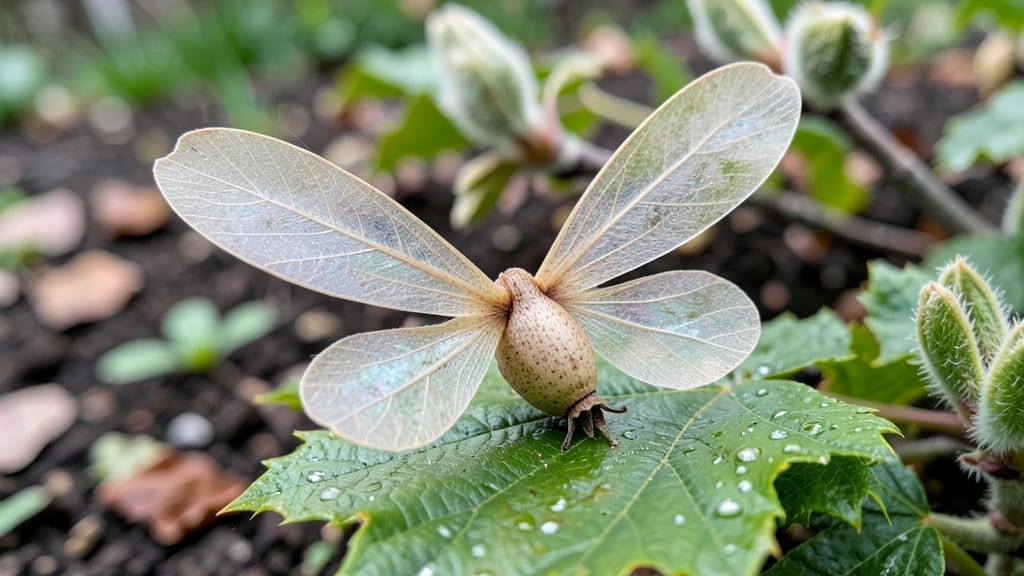
Maple tree spring droppings can turn your yard into a sticky mess faster than you can say "sap season." 🌳 I’ve spent years dealing with the aftermath—slippery sidewalks, smelly mulch, and seedlings struggling to break through the debris—until I found a system that keeps both my trees and lawn thriving.
The real culprit isn’t just leaves or twigs—it’s the sap, seeds, and decaying matter that clog drains, attract pests, and smother grass. My first attempt at cleanup involved a leaf blower and a prayer, but that only moved the problem elsewhere.
Now, I use a mix of mulching, strategic raking, and soil amendments to turn what was a chore into a seasonal ritual that actually benefits my trees.
By mid-spring, you’ll notice fewer sap stains on your driveway, healthier grass pushing through the mulch layer, and trees that look stronger, not stressed. The key is working with nature—letting some leaf litter decompose while removing the worst offenders before they cause real damage.
This approach works for urban yards, suburban landscapes, or rural homesteads—just adjust the tools and timing to your climate. Let’s get your maple trees (and your sanity) back on track!
Spring’s Maple Tree Mystery Explained
Springtime brings a fresh burst of life—but for homeowners with maple trees, it also means dealing with a puzzling (and sometimes messy) phenomenon: those sudden piles of leaves, seeds, and twigs dropping from branches.
Why does this happen now, and what’s really going on in your tree’s biology? Let’s break it down with clear science and actionable insights.
---
When spring arrives, maple trees (especially species like Acer saccharum or Acer rubrum) kickstart their annual cycle with a growth surge. Here’s the science behind it:
- Photosynthesis Ramp-Up: After winter dormancy, trees prioritize producing new leaves to capture sunlight.
Old, damaged, or inefficient leaves from the previous year are shed prematurely to make room for fresh foliage. - Seed Production Push: Maple trees (particularly silver and red maples) are prolific seed producers in spring. The tree drops helicopter seeds (those iconic winged samaras) to propagate, often in bulk.
This process weakens branches temporarily, causing additional leaf and twig drop. - Root Pressure & Sap Flow: Warmer soil triggers root activity, increasing sap flow.
This extra moisture can loosen bark and small branches, leading to sudden twig or leaf fall—especially if the tree is stressed from winter.
Actionable Tip: 💡 If your tree is dropping excessive branches or leaves (beyond normal seed drop), it may be nutrient-deficient or water-stressed. A soil test can reveal if it needs phosphorus (for roots) or potassium (for resilience).
---
Spring isn’t just about warmth—it’s a weather rollercoaster that can stress trees and trigger droppings:
- Late Frost Damage: A sudden freeze after buds swell can kill emerging leaves, causing them to drop. Maple trees are particularly sensitive because their flower buds (which later become seeds) are vulnerable. - Strong Winds: Maple trees have weaker branch attachments than oaks or pines.
High winds in spring can snap small branches or dislodge clusters of leaves and seeds. - Rain and Humidity: Wet spring conditions encourage fungal growth (like Anthracnose), which causes leaves to yellow, curl, and fall prematurely.
Overwatered soil can also lead to root rot, weakening the tree’s structure.
Pro Tip: ✨ Mulch properly (2–4 inches of organic mulch, kept 6 inches from the trunk) to regulate soil moisture and reduce stress. Avoid compacting soil around the base, which restricts roots.
---
While maples are hardy, spring awakens hidden threats that can accelerate leaf and twig drop:
| Pest/Disease | How It Causes Droppings | Signs to Watch For | |-------------------------|------------------------------------------------------|-------------------------------------------------| | Maple Leaf Curl | Fungal infection twists and kills new leaves. | Leaves appear "corky" or curl tightly. | | Aphids & Scale Insects | Sap-sucking pests weaken leaves, causing premature drop. | Sticky residue ("honeydew") on branches. | | Borers (e.g., Maple Bark Borer) | Larvae tunnel under bark, starving the tree. | Sawdust-like frass at branch bases. | | Verticillium Wilt | Soil-borne fungus blocks water flow, causing leaf scorch. | Yellowing between veins, wilting in hot weather. |
Quick Fix: 🔥 If you spot pests, prune and destroy infested branches (don’t compost them!). For fungal issues, apply copper fungicide in early spring before symptoms appear.
--- Even well-intentioned pruning can backfire in spring:
- Aggressive Pruning: Cutting too many branches in late winter or early spring removes the tree’s food source just as it needs energy for new growth.
This can trigger compensatory shedding of leaves or seeds. - Winter Desiccation: Salt, frost, or dry winds can damage bark and branches, making them brittle.
When spring arrives, these weakened areas snap or drop leaves more easily. - Improper Cuts: Poor pruning (e.g., topping or leaving stubs) creates entry points for disease and weakens the tree’s structure.
Best Practice: ⏰ Prune maples in late winter (before buds swell)—but only remove dead, diseased, or crossing branches (never more than 25% of the canopy at once).
--- Not all droppings are a cause for alarm—some are part of a maple’s lifecycle:
- Seed Drop Cycle: Maple trees follow a 2–5 year seed-production cycle. In "on" years, they drop thousands of seeds, which can coincide with extra leaf and twig fall. - Leaf Renewal: Older leaves (especially on shade maples) become less efficient at photosynthesis.
The tree recycles nutrients by dropping them early to invest in younger, healthier foliage. - Branch Dieback: In older maples, inner branches naturally die as the tree allocates resources to the outer canopy. This is normal if <10% of the canopy is affected.
When to Worry: 🚨 If droppings are heavy, sudden, or accompanied by oozing sap, holes, or fungal growth, your tree may be seriously stressed and need professional care.
Quick Fixes for Maple Mess
Springtime means fresh growth for maple trees—but also a lot of sticky, messy droppings. 🌳💦 Whether you’re dealing with seed pods, sap leaks, or fallen leaves, these practical solutions will help you reclaim your yard while keeping your trees thriving.
---
Cause: Maple trees produce thousands of winged seeds (samaras) in spring, creating a windblown mess. Solution: - 🔥 Collect Before They Fall – Use a leaf blower with a bag attachment (or a tarp) to gather pods before they scatter. Work in sections to avoid missing piles. - 🍳 Mulch or Compost Them – Instead of tossing them, shred seed pods with a string trimmer and use them as mulch under trees or in garden beds. They break down quickly! - 👨🍳 Prune Strategically – If pods are extreme, trim back overproducing branches in late winter (before buds swell) to reduce next year’s load. Aim for open-canopy pruning to improve airflow.
💡 Pro Tip: Plant fast-growing ground covers (like clover or creeping thyme) under maples—they’ll outcompete seedlings and reduce future cleanup.
---
Cause: Cold nights followed by warm days trigger sap bleeding, leaving sticky residue on sidewalks, cars, and pets. Solution: - 🔪 Seal the Wounds – If sap leaks from pruning cuts or bark cracks, apply tree wound dressing (or even beeswax) to slow the flow. For large leaks, prune in late summer/fall when sap is less active. - 🥘 Clean Up Fast – Use kitty litter, cornstarch, or baking soda to absorb sap spills before they harden. For pavement, a plastic scraper works better than a shovel. - 🌡️ Adjust Watering – Overwatering can worsen sap flow. Let soil dry slightly between waterings, especially for young trees.
✨ Prevention Hack: Wrap the base of young maples with tree guard (plastic or fabric) to protect bark from sun scald, which can trigger sap leaks.
---
Cause: Maple leaves clog gutters, smother lawns, and attract pests if left piled up. Solution: - 🍳 Shred & Mulch – Run leaves through a mulching mower and leave them on the lawn—they’ll decompose into free fertilizer! - 👨🍳 Create Leaf Mold – Bag wet leaves in a breathable burlap sack for 6–12 months to make rich compost (great for acid-loving plants like azaleas). - 🔪 Prune for Easier Cleanup – Thin out dense lower branches to let light reach the ground, reducing leaf buildup.
🎯 Long-Term Fix: Plant drought-tolerant ground covers (like sedum or moss) under maples—they’ll suppress weeds and make leaf pickup easier.
--- 🔥 Bonus: If your maple’s droppings are excessive, it might be over-fertilized or stressed. Do a soil test and adjust care—healthy trees shed less!
--- Next up: [Preventative Care Guide for Maple Trees](#) (if applicable)
Frequently asked questions
Why do maple trees drop so much debris in spring?
Spring triggers a growth surge in maples, causing them to shed old leaves, seeds (samaras), and weak branches to focus energy on new foliage. Cold snaps, wind, or fungal infections like Anthracnose can also accelerate this process. The iconic "helicopter seeds" alone can create a windblown mess if not managed.
Is it safe to compost maple tree droppings?
Yes! Shredded leaves and seed pods make excellent compost, but avoid adding large branches or diseased material. For faster decomposition, mix with nitrogen-rich greens (like grass clippings) in a 3:1 ratio. If using whole leaves, create a leaf mold pile for nutrient-dense compost in 6–12 months.
How can I stop sap from dripping onto my driveway?
Apply tree wound dressing (or beeswax) to pruning cuts to slow sap flow. For stubborn leaks, prune in late summer/fall when sap is less active. Clean spills immediately with cornstarch or kitty litter—never hot water, which sets the sap. Wrap young tree trunks with tree guard to prevent sun scald.
Will maple droppings harm my lawn or garden?
Too much debris can smother grass or attract pests, but a 2-inch layer of shredded leaves actually improves soil. For thick piles, use a mulching mower to chop leaves into the lawn. Plant ground covers (like clover) under trees to outcompete seedlings and reduce buildup.
When should I prune to reduce spring droppings?
Prune late winter (before buds swell) to remove dead/diseased branches—never more than 25% of the canopy at once. Avoid spring pruning, as it stresses the tree when it’s already producing seeds. For sap control, prioritize open-canopy pruning to improve airflow and reduce seed production.