
Pruning
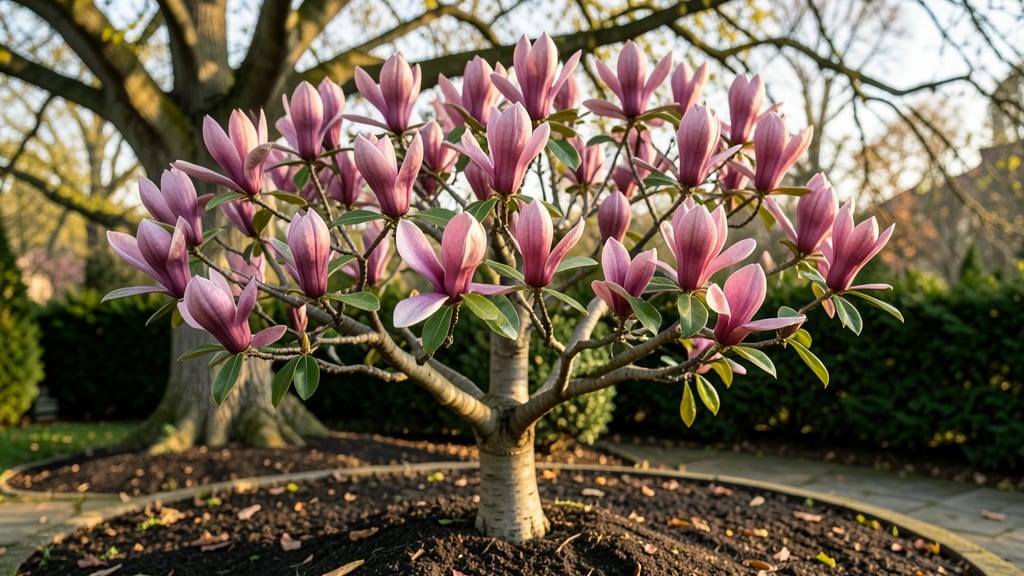
Magnolia trees grow exceptionally well in Seattle's Pacific Northwest climate, where cold-hardy species like the Jane magnolia or Saucer magnolia deliver vibrant spring flowers while enduring winter freezes with minimal stress. Opt for evergreen varieties for four-season foliage or deciduous types for brilliant autumn hues.
Seattle's unique climate—cool, wet winters and mild, damp summers—actually creates ideal conditions for magnolias to flourish. 🌸 The city's USDA Zone 8-9 classification means you can grow varieties that might struggle in hotter regions, like the fragrant Star magnolia (Magnolia stellata), which blooms in late winter when few other trees are in flower.
These trees also handle Seattle's frequent rain better than many ornamental species, thanks to their natural resistance to fungal diseases that thrive in damp conditions.
The key to success lies in selecting the right variety for your specific microclimate—whether that's a sheltered urban yard or a coastal exposure zone. Saucer magnolias (Magnolia × soulangeana) are particularly well-suited for Seattle gardens, offering large, showy blooms that appear before the leaves emerge, providing early-season color when other plants are still dormant.
💡 In This Article
- Best Magnolia Varieties for Seattle’s Climate Zones
- Planting and Caring for Magnolias in the Pacific Northwest
Best magnolia varieties for Seattle’s climate zones
Seattle's USDA Zone 8-9 climate creates perfect conditions for magnolias because they naturally thrive in temperate regions with mild winters and cool summers.
The key advantage is their ability to handle Seattle's 20-30°F winter lows without significant damage, unlike tropical varieties that would struggle. 🌿 For example, the Jane magnolia (Magnolia grandiflora 'Jane') features glossy evergreen leaves that provide year-round interest, while its 6-inch white blooms in late spring create a dramatic focal point.
This variety's thick bark also protects it from frost cracks that can plague thinner-barked trees.
The Saucer magnolia (Magnolia × soulangeana) stands out for its early spring blooms that appear before leaves emerge, giving Seattle gardeners vibrant color when few other plants are in flower.
Its hybrid nature combines the hardiness of Magnolia denudata with the showiness of Magnolia liliiflora, resulting in 8-inch pink-purple flowers that last 2-3 weeks. This timing aligns perfectly with Seattle's typically wet spring, when many ornamental trees are still dormant.
The Star magnolia (Magnolia stellata) offers a similar early bloom period but with 100+ small, star-shaped flowers per branch, creating a stunning cloud-like effect.
For those seeking evergreen options, the Little Gem magnolia (Magnolia grandiflora 'Little Gem') grows to only 20-25 feet tall, making it ideal for urban Seattle yards. Its 3-inch creamy-white flowers appear in late spring, and the glossy dark green leaves provide excellent screening.
This variety's compact size also means it requires less maintenance than larger magnolias. 🌸 The Yulan magnolia (Magnolia denudata) offers delicate 4-inch white flowers with a strong fragrance that perfumes the air in late spring, though it loses its leaves in winter.
Seattle's coastal exposure creates microclimates where some varieties may struggle. For windy coastal areas, the Loebner magnolia (Magnolia × loebneri) hybrids excel with their 3-inch fragrant blooms and improved disease resistance. These hybrids were specifically developed to handle wet conditions better than traditional magnolias.
In inland areas with slightly warmer summers, the Lily magnolia (Magnolia liliiflora) thrives with its 4-inch tulip-shaped flowers that appear in early spring, often while snow still covers the ground.
When selecting a magnolia for Seattle, consider your specific needs: Evergreen varieties like Jane magnolia provide year-round interest, while deciduous types like Saucer magnolia offer vibrant fall color as their leaves change. The Star magnolia creates a dramatic early spring display, while Little Gem suits smaller spaces perfectly.
Each variety's unique bloom time allows you to create a sequential flowering display that brings color to your garden from late winter through summer.