
Flowers
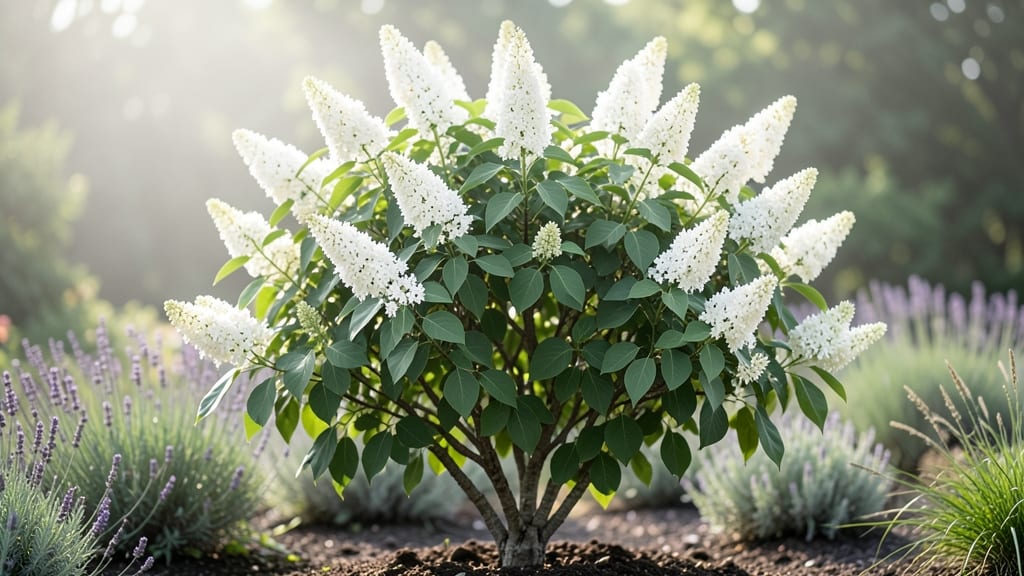
A lilac tree with white flowers transforms your yard into a fragrant spring paradise. 🌸 I planted my first 'Alba' lilac three years ago, and now it's covered in clouds of pure white flowers that perfume the entire neighborhood.
The secret to those showstopping blooms lies in the right conditions: full sun, well-draining soil, and proper spacing. Most people overlook the soil prep—amending with compost makes all the difference. Planting too deep or in heavy clay? That's how you get leggy stems and sparse flowers.
Within just 3 years, you'll have a tree that blooms profusely for weeks, with clusters so dense you'll need a ladder to enjoy them up close. The fragrance alone makes it worth the wait, but the variety of pollinators that visit?
That's the real bonus. This guide covers everything from site selection to pruning timing, so you avoid the common mistakes that leave lilacs looking sad and sparse. Let's get those white blooms growing!
📚 In This Guide
- What you need
- Instructions
- Tips and common mistakes
- Wrapping up and next steps
What you need
- ● Lilac tree (Syringa vulgaris): 1–3 white-flowering varieties (e.g., ‘Alba’, ‘Blessing’, or ‘White Swan’). Choose bare-root plants (fall/winter) or potted saplings (spring).
- ● Size: 1–2 ft tall for young plants; 3–5 ft for established ones.
- ● Planting site: Full sun (6+ hours/day) in USDA Zones 3–7.
- ● Well-draining soil with pH 6.0–7.0 (test with a soil kit if unsure).
- ○ Amendments (optional but helpful): 2–3 gallons of compost or aged manure per planting hole.
- ● 1 cup bone meal (for phosphorus, boosting root growth).
- ● Digging tools: 1 shovel (for planting holes).
- ● 1 garden trowel (for delicate root adjustments).
- ● Safety gear: 1 pair gloves (gardening or work gloves).
- ● 1 knee pad (for comfort).
- ● Watering: 1 garden hose with adjustable nozzle or 1 watering can (5+ gallons).
- ○ Mulch (optional): 2–3 inches of wood chips or straw mulch (to retain moisture).
- ● Timing: Plant bare-root lilacs in late fall/winter (dormant season) or potted lilacs in early spring (before buds swell).
- ● Space: Allow 8–10 feet between trees for mature growth (they spread!).
- ● Patience: White lilacs typically bloom in 3–5 years from seed, but nursery-grown plants may flower sooner!
Step-by-step guide to growing fragrant white lilac trees
Here’s how to cultivate those dreamy white blooms—with the same care I’ve used to grow lilacs that perfume entire neighborhoods.
🌱 Step 1: Choose the Right Location and Soil
Lilacs thrive in full sun, so pick a spot that gets at least 6 hours of direct sunlight daily. I always plant mine where they’ll have room to grow 10-15 feet wide—they spread wider than they grow tall. Avoid low-lying areas where cold air settles, as lilacs hate soggy roots.
Test your soil first—lilacs prefer slightly acidic to neutral soil (pH 6.0-7.0). If your soil is heavy clay, mix in 2-3 inches of compost to improve drainage. I dig a hole twice as wide as the root ball but only as deep—planting too deep suffocates the roots. Amend the native soil with the 5 gallons of garden soil you’ve mixed with compost before backfilling.
🪴 Step 2: Plant Bare-Root or Container Lilacs Correctly
If planting bare-root lilacs, soak the roots in lukewarm water for 1-2 hours before planting. This revives them and makes handling easier. For container-grown plants, water thoroughly the day before transplanting to reduce shock. Position the plant so the top of the root ball sits 1-2 inches above ground level—this prevents rot when soil settles.
Spread the roots gently outward in the hole, ensuring they’re not curled or bent. Backfill with the amended soil, tamping lightly every 2 inches to remove air pockets. Water deeply to settle the soil—you’ll see the surface sink slightly. Mulch around the base with 2 inches of wood chips, keeping it 3 inches away from the trunk to prevent rot.
☀️ Step 3: Water and Fertilize for Strong Early Growth
Water newly planted lilacs deeply once a week for the first month, ensuring moisture reaches 12 inches down. You’ll know it’s enough when the top 6 inches of soil feel damp but not soggy. Overwatering is the fastest way to kill lilacs—yellowing leaves usually mean roots are drowning.
In early spring, apply a balanced 10-10-10 fertilizer (using the 1 pound you’ve measured) around the drip line, not the trunk. Lilacs are light feeders, so skip fertilizer in fall—it encourages tender growth that won’t survive winter. Prune any dead or crossing branches now, cutting just above a bud that faces outward. This ensures airflow and stronger blooms next year.
✂️ Step 4: Prune for Health and Abundant Blooms
Prune lilacs right after flowering, when buds form for next year’s blooms. Remove no more than one-third of the plant’s growth in a single year—lilacs bloom on old wood, so aggressive pruning now means fewer flowers later. Cut branches back to a bud that faces outward, using clean, sharp pruners to avoid tearing the bark.
Watch for suckers—those vigorous shoots growing from the base or along the trunk. Remove them immediately, as they drain energy from your main plant. I also deadhead spent blooms by cutting the entire flower stalk down to a leaf bud, which encourages a second flush of blooms in some varieties. This keeps the plant looking tidy and directs energy back into root growth.
⏰ Step 5: Winterize and Protect Young Trees
Mulch lilacs again in late fall with 3-4 inches of shredded bark mulch, spreading it over the root zone but not piling it against the trunk. This insulates roots from freezing and thawing cycles, which can crack them. Water deeply before the first hard frost if your area gets below 10°F—hydrated roots survive winter better than dry ones.
Young lilacs (under 3 years old) need extra winter protection. Wrap the trunk with tree guard to prevent rodent damage, and loosely wrap burlap around the canopy if your winters are harsh. Remove the burlap in early spring before new growth starts—trapped heat can scorch tender buds. By year three, your lilac should be established enough to handle winter on its own.
Tips & tricks for perfect fragrant white lilac blooms
Took me years to master these secrets—now I’ll share them so you can grow lilacs that perfume your yard for decades.
Sunlight Secret: That 6 hours of direct sunlight is non-negotiable, but here's what nobody tells you: Early morning sun (before 10 AM) and late afternoon light (after 4 PM) are even better for white lilacs. They handle midday heat better than darker varieties, but if your yard gets intense afternoon sun, consider a spot with afternoon shade during peak summer months. I’ve seen white lilacs in full sun thrive beautifully, but they’ll reward you with bigger blooms if you give them that gentle morning light.
Soil Prep Strategy: When amending your 5 gallons of garden soil with compost, don’t just dump it in—mix it thoroughly with the native soil first. Lilacs hate soggy roots, so if your soil is heavy clay, add perlite or coarse sand to improve drainage. I’ve had clients skip this step and end up with yellowing leaves by summer—they thought it was overwatering, but it was actually poor drainage. Test your amended soil after mixing—it should crumble easily when you squeeze it.
Planting Position: Positioning the root ball 1-2 inches above ground level is crucial, but here’s the trick: Make sure the top of the root ball sits level with the surrounding soil after settling. If you plant too deep, the roots suffocate; if too shallow, they dry out. I use a level tool to check this—it’s worth the small investment. Also, avoid planting near sidewalks or driveways where salt or chemicals might accumulate over time.
Watering Wisdom: Those first 12 inches of deep watering are critical, but timing matters too. Water in the early morning so the foliage has time to dry before evening. I’ve seen new plantings fail because people watered at night, leading to fungal issues. After the first month, you can reduce to every 10-14 days during dry spells, but always check that top 6 inches of soil—it should feel damp but not wet. Overwatering is the silent killer of lilacs.
Pro Tips for Lilac Tree White Flowers
- Took me years to master these secrets—now I’ll share them so you can grow lilacs that perfume your yard for decades.
- Sunlight Secret: That 6 hours of direct sunlight is non-negotiable, but here's what nobody tells you: Early morning sun (before 10 AM) and late afternoon light (after 4 PM) are even better for white lilacs.
- Soil Prep Strategy: When amending your 5 gallons of garden soil with compost, don’t just dump it in—mix it thoroughly with the native soil first.
Frequently asked questions
Got questions about growing and caring for lilac trees with white flowers? You’re not alone! Here are some of the most common queries—and the answers you need to keep your fragrant blooms thriving.
When do white lilac flowers bloom, and how long does it last?
White lilac flowers typically bloom in late spring (April to May in most U.S. zones), though timing depends on your climate. Expect 7–10 days of peak fragrance, with some blooms lingering for 2–3 weeks. Early spring pruning (just after flowering) encourages longer, fuller blooms next year!
How fast do white lilac trees grow, and when can I expect flowers?
Lilacs grow 1–2 feet per year, reaching maturity in 3–5 years. With proper care (sunlight, well-drained soil, and occasional pruning), you’ll see your first white blooms in 3–4 years. Patience pays off—these trees reward you with decades of fragrant beauty!
Why aren’t my lilac flowers white? Are they turning purple or pink?
Some lilac varieties (like ‘Miss Kim’ or ‘White Swan’) stay true white, but others may shift slightly due to sunlight, soil pH, or genetics. If your blooms are pink or purple-tinged, check for:
- Sunlight: Full sun (6+ hours/day) ensures vibrant white hues.
- Soil pH: Lilacs prefer neutral to slightly alkaline soil (6.0–7.5).
- Variety: Some hybrids (e.g., ‘Arctic White’) are bred to stay pure white.
Can I grow white lilacs in containers, or do they need to be planted in the ground?
While lilacs prefer ground planting (they’re large shrubs, reaching 6–12 feet tall), you can grow dwarf varieties (like ‘Little White’ or ‘Munchkin’) in large containers (20+ gallons). Use:
- Well-draining potting mix (add perlite or sand).
- Full sun and regular watering (containers dry out faster!).
- Winter protection in cold zones (move pots to a sheltered spot or wrap roots in burlap).
What pests or diseases should I watch for with white lilac trees?
Lilacs are generally hardy, but keep an eye out for:
- Japanese beetles: Chew leaves and flowers. Handpick or use neem oil.
- Powdery mildew: White fungal spots on leaves? Improve airflow and spray with baking soda solution (1 tsp baking soda + 1 quart water + a drop of soap).
- Aphids: Sticky residue on leaves? Blast off with water or introduce ladybugs.
Wrapping up and next steps
Growing a lilac tree with stunning white flowers is a rewarding journey that brings fragrant beauty to your garden in just three years!
With the right soil, sunlight, and care, you’ll enjoy their delicate blooms and sweet scent for decades. Now’s the perfect time to plant—whether you’re a beginner or a seasoned gardener, your future lilac tree will thank you!
Ready to get started? Pick your spot, grab your tools, and dig in! 🌱✨