
Pruning
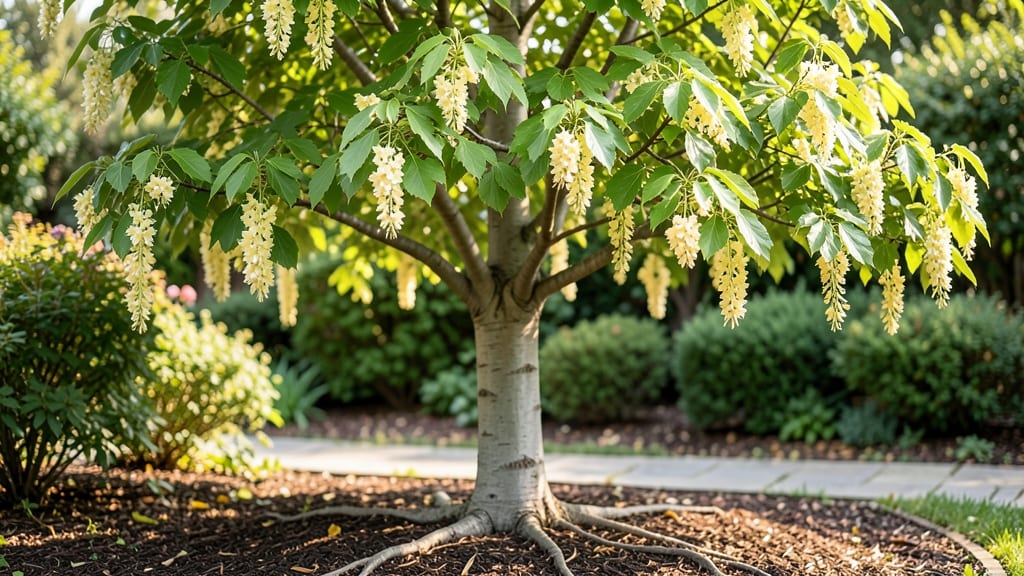
Spring is when your lime tree wakes up from winter, and pruning at the right time unlocks its best fruit-filled future. 🌿 I’ve learned that cutting too early can stunt blooms, while waiting too long risks losing next year’s harvest—so timing matters more than you’d think.
The secret isn’t aggressive pruning but strategic cuts: remove dead wood first, then thin crowded branches to let sunlight reach the center. Lime trees reward precision with heavier fruit sets and stronger growth. Just avoid heavy cuts after blooms appear, or you’ll sacrifice next year’s crop.
By late spring, you’ll see new shoots and fragrant white flowers—signs your tree is thriving. The key is balancing pruning with watering (deep soaks, not daily sprinkles) and a light fertilizer boost to fuel that growth. This method works for Meyer limes, Persian limes, and even dwarf varieties.
Here’s how to get it right without stressing your tree—or yourself.
📚 In This Guide
- What you need
- Instructions
- Tips and common mistakes
- Wrapping up and next steps
What you need
- ● Pruning shears (bypass or anvil type) – Choose sharp, clean shears (10–12 inches long) for precision cuts.
- ● Loppers – For thicker branches (1.5–2 inches in diameter). Opt for bypass-style to avoid crushing.
- ● Pruning saw – For branches larger than 2 inches (aluminum or carbon steel blade preferred).
- ● Disinfectant (70% isopropyl alcohol or bleach solution) – 1 part bleach to 9 parts water to sterilize tools between cuts.
- ● Garden gloves – Heavy-duty, cut-resistant gloves to protect your hands from thorns and sap.
- ● Ladder or step stool – Ensure it’s stable and tall enough to reach the tree’s canopy safely.
- ● Trash bags or bucket – For collecting pruned branches and debris (1–2 large bags or a 5-gallon bucket).
- ● Hand pruners with a crimping tool – For sealing larger cuts (reduces sap leakage).
- ○ Tree wound dressing (optional) – Only use if your lime tree is prone to disease (e.g., pruning paste).
- ● Notebook & pencil – To sketch the tree’s structure before/after pruning.
- ● Safety glasses – Protects eyes from debris, especially when using a saw.
Step-by-step guide to pruning your lime tree in spring
Here's how to wake up your lime tree for a season of vibrant growth and abundant fruit.
☀️ Step 1: Time Your Pruning for Optimal Growth
Wait until after your last frost date but before new growth begins—usually late February to early April in most climates. You'll know it's time when you see tiny buds swelling along the branches but before leaves emerge. Pruning too early risks damaging tender new growth, while waiting too long removes energy the tree needs for spring flush.
Check the forecast for a dry, mild day—rain or wind can stress the tree. Morning sunlight is ideal because it gives any cuts time to dry and seal naturally before evening dew forms. I always prune on a calm day when temps are between 50-75°F to minimize shock.
✂️ Step 2: Gather Your Tools and Assess the Tree
You'll need clean, sharp pruning shears for small branches and a pruning saw for thicker limbs. Sterilize your tools with rubbing alcohol to prevent spreading disease. Start by removing any dead, diseased, or crossing branches first—they're the easiest to spot and won't be missed.
Look for branches growing toward the center of the tree (called "water sprouts") or those rubbing against others. These compete for sunlight and nutrients. I like to sketch a rough outline of my desired shape before making any cuts—it helps visualize the final look. Never remove more than 25% of the tree's foliage in one session.
🌿 Step 3: Make Precision Cuts for Healthy Growth
Cut just outside the branch collar—the swollen area where the branch meets the trunk. This ensures proper healing. Make your cut at a 45-degree angle if needed, but always avoid leaving stubs. For thicker branches, use three cuts: first undercut, then top cut, and finally clean up the remaining wood.
Focus on opening the center of the tree to improve air circulation and sunlight penetration. You'll see new growth emerge from the sides of branches where you've made cuts—this is your tree's way of telling you it's happy. Avoid cutting into old wood unless absolutely necessary, as lime trees produce fruit on new growth.
💧 Step 4: Post-Pruning Care for Rapid Recovery
Water the tree deeply after pruning to help it recover. You'll notice fresh, bright green leaves appearing within 2-4 weeks if the timing was right. Apply a balanced, slow-release fertilizer around the root zone to support new growth. I use a 10-10-10 formula in early spring, following package instructions.
Monitor the tree closely for the first few weeks. If you see any oozing sap at the cut sites, it's normal and will dry up. Avoid pruning again until next spring—lime trees only need one major pruning session per year. The key is patience; your tree will reward you with lush foliage and fruit within a season.
Tips & tricks for perfect lime tree pruning in spring
These simple tricks will help you transform your pruning session from stressful to satisfying—because every cut matters when you're shaping a fruit-bearing tree.
Timing is Everything: Pay attention to those tiny buds swelling on the branches—they're your cue that it's time to prune. If you see leaves starting to unfurl, you've waited too long. I've learned this the hard way after pruning too early and watching new growth get damaged by unexpected frosts. The late February to early April window is your sweet spot for most climates, but always check your local frost dates first.
Tool Prep Prevents Problems: Sterilizing your pruning shears and saw with rubbing alcohol is non-negotiable—it's the best way to prevent spreading disease between cuts. I keep a small bottle of 70% isopropyl alcohol in my gardening toolkit specifically for this purpose. Sharp tools make cleaner cuts that heal faster, so take a minute to hone your blades before you start. Dull tools crush wood fibers, creating larger wounds that invite infection.
Visualize Before You Cut: Sketching a rough outline of your desired tree shape on paper helps you see the big picture before making any cuts. This is especially helpful for first-timers who might be tempted to remove too much foliage at once. Remember the 25% rule: never remove more than a quarter of the tree's foliage in one session. Your tree will thank you with vigorous new growth within 2-4 weeks if you follow this guideline.
Precision Cuts Create Happy Trees: When making your cuts, focus on the 45-degree angle just outside the branch collar. This technique promotes faster healing and prevents water from pooling at the cut site. For thicker branches, use the three-cut method: undercut first, then top cut, and finally clean up the remaining wood. This prevents tearing and gives you clean, professional-looking results that your tree will appreciate.
Pro Tips for Lime Tree In Spring
- These simple tricks will help you transform your pruning session from stressful to satisfying—because every cut matters when you're shaping a fruit-bearing tree.
- Timing is Everything: Pay attention to those tiny buds swelling on the branches—they're your cue that it's time to prune.
- Tool Prep Prevents Problems: Sterilizing your pruning shears and saw with rubbing alcohol is non-negotiable—it's the best way to prevent spreading disease between cuts.
Frequently asked questions
Got questions about pruning your lime tree in spring? You’re not alone! Here are some of the most common concerns—and their answers—to help you get started with confidence.
When is the exact best time to prune a lime tree in spring?
The ideal window is late winter to early spring (just as buds swell but before new growth starts). For most lime trees, this falls between February and March in temperate zones. Avoid pruning after April—you’ll risk stunting fruit production or encouraging pests. Pro tip: Check your local frost dates—prune after the last frost to protect tender branches!
How much can I trim off my lime tree without harming it?
Never remove more than 25-30% of the tree’s canopy in one session. For young lime trees, light pruning (10-15%) is enough to shape growth. Mature trees benefit from selective cuts—focus on dead wood, crossing branches, and overcrowded areas. Warning: Over-pruning stresses the tree and reduces fruit yield. Think of it like a haircut—better to trim gradually!
Will pruning my lime tree in spring affect its fruit production?
Done correctly, spring pruning boosts fruit production by improving airflow and sunlight penetration. However, avoid heavy pruning during flowering or fruiting seasons (typically late spring/summer). If you prune too late, you might delay or reduce harvest. For key lime trees, prune before buds form—this ensures energy goes to root and branch growth, not just leaves.
What if my lime tree doesn’t have any branches to prune?
If your tree is bare or leggy, it might need a different approach. Try:
- Fertilize first: Use a citrus-specific fertilizer to encourage new growth.
- Check sunlight: Lime trees need 6+ hours of full sun daily—relocate if needed.
- Root pruning: Gently trim roots (if potted) to stimulate top growth.
- Patience: Some varieties (like ‘Meyer’ limes) grow slowly—wait until you see healthy branches before pruning.
Can I prune a lime tree in containers the same way as in-ground trees?
Yes, but with a few adjustments! Container-grown lime trees often need more frequent pruning (every 6–12 months) due to limited root space. Key differences:
- Size matters: Prune harder if the tree outgrows its pot—trim to fit the container.
- Root check: If growth stalls, gently remove the tree from its pot to inspect roots (prune tangled roots if needed).
- Drainage: After pruning, ensure the pot has drainage holes to prevent root rot.
Wrapping up and next steps
Spring is the perfect time to give your lime tree the care it needs to thrive—and your efforts will pay off in abundant fruit and vibrant foliage! 🌿 By pruning strategically, removing dead branches, and encouraging airflow, you’re not just shaping your tree; you’re setting the stage for a healthier, more productive harvest. Now’s your chance to roll up your sleeves and watch your lime tree flourish!
Ready to take the next step? Mark your calendar for late spring or early summer to check for new growth and repeat pruning if needed. With patience and care, your lime tree will reward you with juicy, sun-kissed limes year after year. Happy pruning! ✂️🍋