
Trees
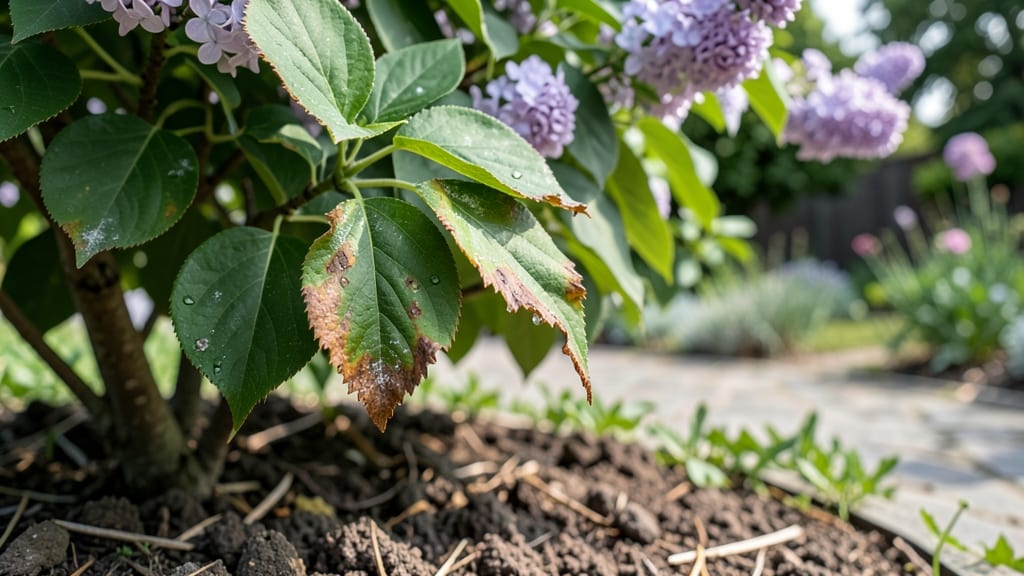
Your lilac tree’s leaves turning brown isn’t a death sentence—it’s a wake-up call. 🌿 I’ve nursed back more than a few browned-out lilacs, and the fixes are simpler than you’d think, from fungal infections to hidden pests. The key is acting fast before the problem spreads deeper into the branches.
Most brown leaves start with overwatering or powdery mildew, but pests like spider mites and nutrient deficiencies play their part too. I’ll walk you through how to spot each culprit—like checking for webbing under leaves or yellowing between veins—and what to do next, whether it’s pruning, spraying, or feeding.
By the time you’re done, your lilac will be back to its vibrant green, blooming like it’s spring again. The best part? These tricks work for other shade trees too. Let’s turn that brown mess into a lush canopy before next season.
If the damage is severe or you’re unsure what’s wrong, I’ll tell you when to call in a pro—because some fixes take more than a weekend. Trust me, your lilac can bounce back with the right care.
Root Causes Behind Brown Lilac Leaves
When your lilac tree’s leaves start turning brown, it’s often a distress signal from the plant—like a silent scream for help. 🌿🚨 Understanding the why behind the browning is the first step to reviving its vibrant green health.
Below, we break down the most common culprits, explained in simple terms with actionable insights.
Lilacs are tough but not drought-proof or flood-tolerant. Brown leaves often signal water imbalance, whether from overwatering or underwatering.
- Underwatering: Lilacs prefer consistently moist (not soggy) soil. When roots dry out, leaves curl, crisp, and turn brown at the edges—a classic sign of thirst stress. Test it: Stick your finger 2 inches into the soil. If it’s bone-dry, water deeply until moisture reaches 6–8 inches down.
- Overwatering: Yellowing or brown leaves with a mushy texture? Root rot may be setting in. Lilacs hate "wet feet." Fix it: Improve drainage by amending soil with compost or perlite, and avoid watering unless the top 1–2 inches of soil are dry.
- Heat or Wind Burn: Intense sun (especially after winter) or drying winds can scorch leaves, causing them to brown in patches. Solution: Mulch around the base to retain moisture and provide shade during peak afternoon heat.
Pests and pathogens love lilacs—and their favorite snacks can leave behind telltale brown spots, holes, or discoloration.
| Pest/Disease | Signs | How to Stop It |
|---|---|---|
| 🐜 Japanese Beetles | Skeletonized leaves (chewed to veins), brown frass (poop) on foliage. | Handpick beetles early morning, spray with neem oil, or use milky spore for long-term control. |
| 🍄 Powdery Mildew | White, powdery coating on leaves that turns brown and crispy. | Improve airflow (prune dense branches), spray with baking soda mix (1 tsp baking soda + 1 quart water + a drop of soap), or use fungicide. |
| 🐜 Aphids/Spider Mites | Sticky residue (aphids), fine webbing (mites), leaves curl and brown. | Blast off pests with water, introduce ladybugs, or use insecticidal soap. |
Brown leaves can also mean your lilac is hungry. Soil deficiencies—especially in nitrogen, iron, or magnesium—cause leaves to lose their luster and turn brown or yellow.
- Nitrogen Deficiency (Pale Green/Brown Leaves):
Lilacs need nitrogen for leafy growth. Brown patches on older leaves? Act now: Apply a balanced fertilizer (10-10-10) in early spring or use composted manure.
- Iron or Magnesium Deficiency (Yellow Between Veins):
Brown edges with yellowing in between? This is often chlorosis, common in alkaline soils. Fix it: Apply chelated iron or Epsom salt (1 tbsp per gallon of water, sprayed on leaves).
- Potassium Deficiency (Brown Leaf Tips):
Weak stems and brown tips? Potassium helps with stress resistance. Boost it: Use a potassium-rich fertilizer or wood ash (sparingly).
Brown leaves aren’t always about health—they can be injuries from external forces.
- Mechanical Damage: Lawnmowers, string trimmers, or even pets can tear leaves, causing brown edges. Prevent it: Keep grass trimmed away from the base and create a 3-foot mulch barrier.
- Chemical Burn: Over-fertilizing (especially with salt-heavy products) or herbicide drift can scorch leaves. Solution: Flush soil with water and avoid fertilizers until new growth appears.
- Winter/Salt Damage: Road salt or freezing temps can crisp leaves. Protect it: Mulch heavily in fall and rinse leaves with water if salt is nearby.
Now that you know the why, the next step is action. 🚀 Stay tuned for our revival guide to turn those brown leaves back to lush green!
Revive Your Lilac’s Foliage Fast
If your lilac tree’s leaves are turning brown, don’t panic—there’s almost always a way to nurse it back to health. The key is identifying the root cause (which we covered earlier) and applying the right fix.
Below, we’ve broken down practical, step-by-step solutions tailored to each common issue, plus tips to keep your lilac thriving long-term. Let’s get those leaves perking up again!
If your lilac is drowning in soggy soil, it’s time to drain the drama. Brown, mushy leaves or yellowing foliage are classic signs of overwatering or compacted roots.
- 🔥 Step 1: Check the Soil Dig a small hole (6 inches deep) near the base of the tree. If the soil feels damp or smells like a swamp, you’ve got a drainage issue. Lilacs hate “wet feet”—they need well-draining soil to breathe.
- 🍳 Step 2: Improve Soil Drainage Mix in organic matter like compost, coarse sand, or perlite to loosen heavy clay soil. For container-grown lilacs, ensure pots have drainage holes and use a 50/50 mix of potting soil and perlite.
- 👨🍳 Step 3: Adjust Watering Habits Water deeply once a week (or less in winter) and avoid shallow, frequent watering. Stick your finger 2 inches into the soil—if it’s dry, water; if it’s wet, wait. Mulch around the base (but not touching the trunk) to retain moisture without suffocating roots.
- ⏰ Step 4: Prune Damaged Areas Trim back any brown, wilted branches with clean, sharp pruners to encourage new growth. Focus on the outer edges where leaves are most affected.
💡 Pro Tip: If your lilac is in a low-lying spot where water pools, consider raising the planting area with a mound of soil or installing a French drain.
Too much sun without enough hydration can scorch lilac leaves, turning them crispy and brown at the edges. This is especially common in hot, dry climates or after sudden heatwaves.
- 🌡️ Step 1: Provide Afternoon Shade If your lilac is in a full-sun spot, shield it from the harsh afternoon rays (1–4 PM) with a light shade cloth (30–50% coverage) or by planting taller, heat-tolerant trees nearby (like oaks or maples).
- 💦 Step 2: Deep Watering Routine Water early in the morning (before 10 AM) to give roots time to absorb moisture before the sun evaporates it. Aim for 1–1.5 inches of water per week, including rainfall.
- 🥗 Step 3: Mulch Like a Pro Apply a 3-inch layer of mulch (wood chips, straw, or pine bark) around the base, keeping it 6 inches away from the trunk. Mulch acts like a cooling blanket, retaining moisture and protecting roots.
- ✨ Step 4: Foliar Spray for Relief On extremely hot days, mist the leaves with water in the early morning or evening to cool them down. For extra protection, spray with a diluted seaweed solution (1 tbsp seaweed extract per gallon of water) to boost resilience.
💡 Pro Tip: If your lilac is in a container, move it to a shadier spot during peak summer heat. Containers dry out faster and are more vulnerable to sunburn.
Fungal infections like powdery mildew or bacterial leaf spot thrive in humid, poorly ventilated conditions. Brown spots, white powdery residue, or leaves that curl and drop are dead giveaways.
- 🔪 Step 1: Prune Infected Leaves Remove all brown, spotted, or mildewed leaves with pruners and dispose of them in the trash (not compost). Fungi spread easily, so don’t leave infected debris near the tree.
- 🧼 Step 2: Clean Up the Area Rake up fallen leaves and debris around the base of the tree. Fungi love hiding in organic matter, so keep the area clean and dry.
- 🌿 Step 3: Apply Fungicide Use a copper-based fungicide or neem oil spray (1 tbsp neem oil + 1 tsp mild soap per quart of water) to treat the leaves. Spray early in the morning on a calm day to avoid spreading spores. Repeat every 7–10 days until new growth appears.
- 🌡️ Step 4: Improve Airflow Thin out overcrowded branches to increase airflow around the tree. Fungi love stagnant, humid air—good circulation helps leaves dry faster.
💡 Pro Tip: For prevention, water at the base (not overhead) and avoid late-day watering, which keeps leaves wet overnight—fungi’s favorite party time.
Pests suck the life out of lilac leaves, leaving behind brown, chewed edges, webbing, or sticky residue (honeydew). Here’s how to kick them out for good.
- 🕷️ Step 1: Identify the Culprit
- Aphids: Tiny green/black bugs clustered on new growth.
- Spider Mites: Tiny yellow/red specks + fine webbing.
- Japanese Beetles: Bright green beetles with copper wings, devouring leaves.
- 🚿 Step 2: Blast Them Off Spray the tree with a strong stream of water to dislodge pests. Repeat every few days for heavy infestations.
- 🧴 Step 3: Use Natural Pesticides
- Neem oil (1 tbsp per gallon of water) – disrupts pest life cycles.
- Insecticidal soap (mix 2 tbsp mild soap + 1 quart water) – kills soft-bodied pests like aphids.
- Kaolin clay (like Surround WP) – creates a protective barrier.
- 🌿 Step 4: Attract Predators Plant companion plants like marigolds, lavender, or dill nearby to attract ladybugs and lacewings, which eat pests naturally.
💡 Pro Tip: If Japanese beetles are the problem, handpick them into soapy water in the early morning when they’re sluggish. Wearing gloves, shake them into a bucket of soapy water—it’s oddly satisfying!
Once your lilac is back to its vibrant self, keep it happy with these long-term care tips:
- 📅 Prune at the Right Time: Trim lilacs right after flowering (late spring) to encourage healthy new growth. Avoid heavy pruning in fall or winter.
- 🌱 Feed Smart: Use a balanced, slow-release fertilizer (10-10-10) in early spring before new growth starts. Avoid high-nitrogen fertilizers—they promote leafy growth over flowers.
- 🌧️ Monitor Weather Shifts: Lilacs are tough but can struggle in extreme heat or cold snaps. Mulch heavily in winter to protect roots from freezing.
- 🌿 Choose the Right Spot: Plant lilacs where they get full sun to partial shade (6+ hours of sun) with well-draining soil. Avoid low-lying areas prone to waterlogging.
- 🔄 Rotate Care Seasonally:
Season Task Spring Prune, fertilize, check for pests Summer Water deeply, mulch, watch for heat Frequently asked questions
1Why do lilac leaves turn brown in late summer?
Late summer browning is often heat stress or water deficiency as temperatures rise. Lilacs need 1–1.5 inches of water weekly—if your area is dry, deep watering and mulching can prevent this. Also check for powdery mildew, which thrives in hot, humid conditions.
2Can I save my lilac if half the leaves are already brown?
Yes! Focus on pruning dead branches and addressing the root cause (water, pests, or disease). Healthy lilacs are resilient—new growth will emerge from the inner buds. Just remove more than 50% of brown leaves to redirect energy to fresh foliage.
3Is brown leaf drop normal after flowering?
Some natural leaf drop occurs after blooming, but excessive browning signals stress. If leaves fall before autumn, check for underwatering or nutrient deficiencies. A light balanced fertilizer (10-10-10) in early spring prevents this.
4How do I tell if brown leaves are from pests vs. disease?
Pests (like Japanese beetles) leave chewed holes or webbing, while diseases (like powdery mildew) show white powder or brown spots. Check leaf undersides for tiny bugs or sticky residue—this confirms pests.
5Will pruning brown leaves help my lilac recover faster?
Pruning dead or diseased branches improves airflow and redirects energy to healthy growth. Use clean pruners and remove only browned leaves—never more than 25% of the canopy at once. This prevents shock.