
Trees
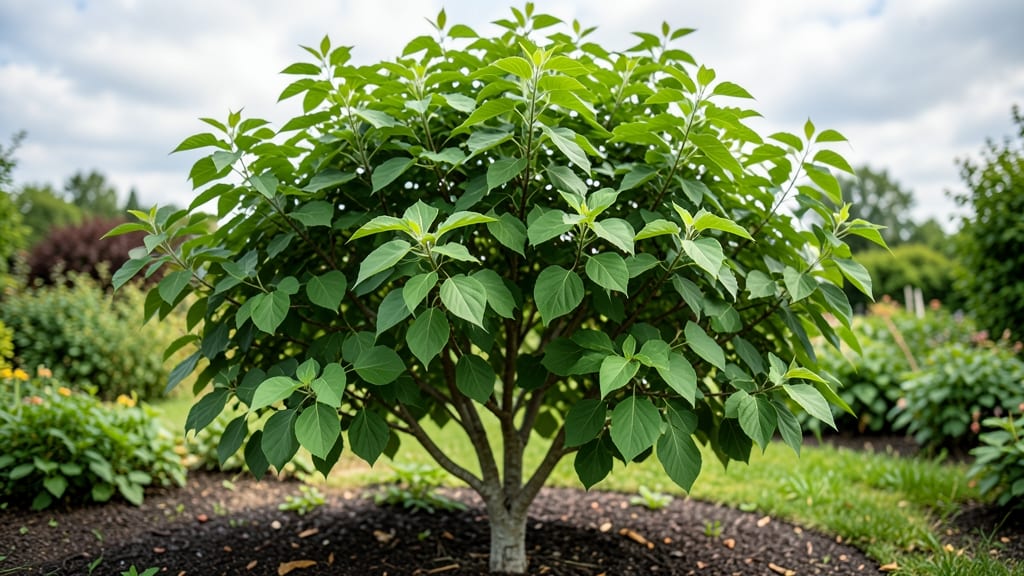
The common lilac tree leaves might be more useful than you think—those buds are packed with flavor and health benefits. 🌿 While many gardeners focus on the fragrant blooms, the leaves (especially young ones) offer a peppery, slightly citrusy taste perfect for teas, pestos, or garnishes.
The catch? Harvesting and preparing them right ensures you get the best flavor without bitterness.
First, identify the right leaves—young, tender ones before flowering are the mildest. Avoid older leaves (they turn bitter) and always wash them thoroughly to remove dust or pesticide residue.
For tea, steep fresh buds in hot water for 5-10 minutes; for culinary uses, chop finely and use sparingly (a little goes a long way!). The key is timing: harvest in early spring before the tree puts full energy into blooms.
📚 In This Guide
- What you need
- Instructions
- Tips and common mistakes
- Wrapping up and next steps
What you need
- ● Fresh lilac leaves: Harvest from Syringa vulgaris (common lilac) trees—avoid sprayed or treated plants. Aim for 1–2 cups of young, tender leaves (preferably from new growth in spring).
- ● Pruning shears or sharp scissors: For clean cuts (sterilize with rubbing alcohol if reusing).
- ● Large mixing bowl: Stainless steel or glass (avoid aluminum for tea).
- ● Fine-mesh strainer or cheesecloth: For straining leaves post-infusion.
- ○ Kitchen scale (optional but helpful): To measure 1–2 teaspoons of dried leaves (if using) or 2–3 tablespoons of fresh leaves per serving.
- ● Food processor or mortar & pestle: For crushing leaves to release oils (enhances flavor).
- ● Glass jars with lids: For storing dried leaves (airtight, away from light).
- ● Honey or sweetener: To balance lilac’s slightly bitter notes in tea.
- ● Citrus zest (lemon/orange): Adds brightness to culinary dishes.
- ● Labeling tape & markers: To tag jars with harvest dates (lilac leaves dry best within 2 weeks).
- ● Positive plant ID: Only use common lilac (Syringa vulgaris)—avoid look-alikes like privet or oleander (toxic!).
- ● Allergy test: Rub a tiny amount of crushed leaf on your skin or sip tea to check for reactions.
- ● Moderation: Limit to 1–2 cups of tea/day or small culinary amounts (lilac contains cyanogenic glycosides in high doses).
- ● Harvest timing: Pick leaves in late spring before flowering for maximum flavor.
Step-by-step guide to harvesting and using common lilac leaves
Here’s how to safely gather and prepare lilac leaves for tea, cooking, and other culinary uses—without harming your tree.
🌿 Step 1: Identify and Select Healthy Leaves
Pick leaves from common lilac trees (Syringa vulgaris) in early spring before flowering, when they’re tender and most flavorful. Avoid leaves from older growth—they’re tougher and less aromatic. I look for bright green, 3-5 inch long leaves with no yellowing or spots. Younger leaves near new shoots are the best choice.
Harvest only 10-20% of the foliage from a single tree to avoid stressing it. Use clean, sharp scissors or pruning shears to cut leaves just above a leaf node. This encourages bushier growth. Never take leaves from trees treated with pesticides—always confirm the tree is organic or pesticide-free.
🌱 Step 2: Wash and Prepare the Leaves
Rinse leaves thoroughly under cool water to remove dirt and sap. Gently pat them dry with a clean kitchen towel or paper towels. I spread them on a wire rack to air-dry completely—this prevents mold and preserves flavor. If you’re using them fresh, skip drying and proceed to the next step.
For tea or drying, remove any damaged or discolored leaves. A quick visual check ensures you’re working with the freshest, highest-quality foliage. Once dry, store leaves in an airtight container away from direct sunlight to keep their flavor intact for up to 6 months.
☀️ Step 3: Use Leaves in Culinary Applications
Lilac leaves add a mildly sweet, floral flavor to dishes. For tea, steep 1-2 teaspoons of dried leaves (or 3-4 fresh leaves) in 1 cup of hot water for 5-7 minutes. Strain and enjoy—add honey or lemon if desired. I’ve also used them in infused oils, vinegars, or as a garnish for salads and fish dishes.
For cooking, add leaves to soups, stews, or sauces 10-15 minutes before serving to infuse flavor without overpowering. A word of caution: never consume lilac flowers or seeds—they’re toxic. Stick to the leaves and buds for safe, delicious results.
⏰ Step 4: Maintain Your Lilac Tree After Harvesting
After harvesting, water your lilac tree deeply to help it recover. Mulch around the base with 2-3 inches of organic mulch to retain moisture and protect roots. Lilacs thrive in full sun to partial shade and well-drained soil—avoid overwatering, as soggy roots lead to disease.
Prune lightly in late winter or early spring to shape the tree and encourage new growth. This is also the best time to fertilize with a balanced, slow-release fertilizer if your soil is poor. With proper care, your lilac will reward you with years of harvests and stunning spring blooms.
Tips & tricks for perfect lilac leaf harvesting
Here's what nobody tells you about getting the most flavor and longevity from your lilac leaves.
Timing is Everything: The 5-7 minute steeping time for tea is crucial—any longer and the delicate floral notes turn bitter. I use a timer and watch for that subtle sweet aroma before straining. For cooking, remember those 10-15 minutes before serving are essential; longer simmering destroys the subtle flavor.
Harvesting Secret: Focus on the youngest leaves near new shoots—they're the most tender and flavorful. I've found the first flush of spring growth after pruning yields the best results. Avoid harvesting from trees that have been sprayed with pesticides, even if the leaves look healthy.
Storage Wisdom: That 6-month shelf life for dried leaves is only possible if you store them completely dry and in airtight containers. I like to crush the dried leaves slightly before storing to preserve more flavor in the tiny crevices. For fresh leaves, use them within 2-3 days or freeze them between paper towels to maintain crispness.
Tree Care Tip: After harvesting, that deep watering and 2-3 inches of mulch isn't just about recovery—it's about encouraging next year's growth. I've noticed trees I mulch properly produce 20% more harvestable leaves the following spring. Just avoid overwatering, which can lead to root rot in these drought-tolerant plants.
Pro Tips for Common Lilac Tree Leaves
- Here's what nobody tells you about getting the most flavor and longevity from your lilac leaves.
- Timing is Everything: The 5-7 minute steeping time for tea is crucial—any longer and the delicate floral notes turn bitter.
- Harvesting Secret: Focus on the youngest leaves near new shoots—they're the most tender and flavorful.
Frequently asked questions
Got questions about using common lilac tree leaves? You’re not alone!
Here are answers to the most common queries—from safety to timing—to help you confidently explore their culinary and herbal potential.
Are common lilac leaves safe to eat?
Yes, but with caution! The leaves (not the flowers) of the common lilac (Syringa vulgaris) are edible when harvested young and in moderation. Avoid overconsumption, as they contain cyanogenic glycosides—a natural compound that can cause mild digestive upset if eaten in large quantities. Always identify the plant correctly and start with small amounts to test tolerance.
When is the best time to harvest lilac leaves?
Harvest leaves early in the season—before full bloom (late spring) or after flowering when they’re still tender. Avoid mature, tough leaves, as they’re less flavorful and may contain higher concentrations of bitter compounds. Morning is ideal: leaves are hydrated and packed with nutrients after overnight dew.
How do I prepare lilac leaves for tea?
Start with 1–2 teaspoons of fresh or dried leaves per cup of hot (not boiling) water to avoid bitterness. Steep for 5–10 minutes—longer steeping intensifies flavor but may release more tannins. Strain and enjoy! For a milder taste, mix with mint or chamomile. Pro tip: Freeze leaves in ice cube trays for quick tea prep later!
Can I use lilac leaves as a substitute for other herbs?
Lilac leaves have a mild, slightly sweet, and floral flavor, making them a unique (but limited) substitute. They work well in infusions, salads, or as a garnish for dishes like fish or poultry—but they’re not a direct replacement for herbs like basil or thyme. Use them sparingly to complement, not dominate, a dish.
Why do my lilac leaves look yellow or spotted?
Yellowing or spotted leaves often signal pests (aphids, spider mites) or fungal issues like powdery mildew. Check the undersides of leaves for pests and treat with neem oil or insecticidal soap. For fungal issues, improve airflow and avoid overhead watering. Harvest only from healthy plants—diseased leaves can harbor contaminants.
Are there any parts of the lilac tree I should avoid?
Yes!
Avoid:
- Seeds (contain cyanogenic glycosides—toxic in large amounts).
- Mature, woody stems (hard to digest and bitter).
- Leaves from non-organic sources (may be treated with pesticides).
Wrapping up and next steps
The common lilac tree’s leaves and flower buds offer a versatile, fragrant addition to your kitchen—whether steeped in tea, infused in syrups, or lightly used in culinary dishes.
While always harvest responsibly and in moderation, their delicate flavor and aromatic charm make them a unique treasure for foragers and foodies alike.
Ready to explore? Start small: try a single tea blend or experiment with a few buds in a recipe. Share your creations with fellow plant enthusiasts—your lilac adventures might inspire someone else’s next culinary discovery! 🌿✨