
Pruning
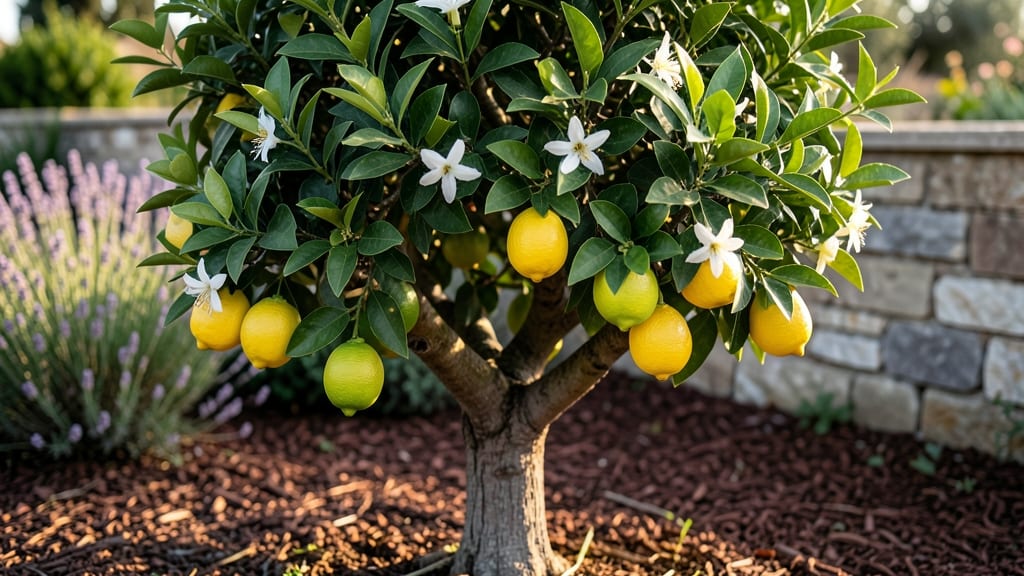
For lemon trees in Zone 8, cold-resistant varieties like 'Meyer' or 'Improved Meyer' are your best bet, as they handle temperatures down to 15°F (-9°C) when properly protected. Plant them in well-draining soil, use thick mulch for winter insulation, and keep them in full sun to boost fruit production and survival through seasonal shifts.
Zone 8's mild winters still demand preparation—unprotected lemon trees can suffer damage below 25°F (-4°C). 🌱 The 'Meyer' variety stands out for its sweet, juicy fruit and better cold tolerance compared to standard lemons, making it a favorite among gardeners in this region.
I’ve seen firsthand how proper winter care, like wrapping the trunk with burlap or using frost blankets, can make the difference between a thriving tree and a lost investment.
Beyond cold protection, Zone 8 lemon trees need consistent care year-round. Summer heat can stress them, so regular watering—about 1-2 inches per week—keeps roots healthy without over-saturating the soil.
Pruning in late winter removes dead branches and encourages new growth, while fertilizing in early spring gives them the nutrients needed for blooming and fruiting.
💡 In This Article
- Cold-Hardy Lemon Tree Varieties for Zone 8 Climates
- Year-Round Care Tips for Zone 8 Lemon Trees
Cold-hardy lemon tree varieties for Zone 8 climates
The 'Meyer' lemon stands out as the gold standard for Zone 8 gardeners because its cold tolerance extends to 15°F (-9°C) with proper winter protection, unlike standard lemons which typically die below 28°F (-2°C). 🌿 This variety’s secret lies in its hybrid genetics—crossing between true lemons and mandarins—which gives it a thicker, waxier skin that resists moisture loss during cold snaps.
The fruit itself is sweeter, with a texture somewhere between a lemon and an orange, and it often ripens twice a year in Zone 8’s mild winters.
'Improved Meyer' takes cold hardiness even further, with some reports of surviving down to 10°F (-12°C) when heavily mulched and wrapped. These trees grow more compactly (reaching 8-10 feet tall) than their standard counterparts, making them ideal for containers or small gardens.
For those who prefer larger fruit, the 'Ponderosa' lemon—though less cold-tolerant (around 25°F (-4°C))—produces massive, textured lemons perfect for garnishes, but requires more winter protection.
When selecting a variety, consider your specific needs: 'Meyer' excels for fresh eating and juicing, while 'Eureka' (less cold-hardy) produces more acidic fruit better suited for cooking. 🍋 The key difference lies in their growth habits—'Meyer' trees flower and fruit on both old and new wood, meaning they’ll produce even if pruned heavily, while 'Eureka' relies more on established branches.
This makes 'Meyer' the more forgiving choice for beginners or those with limited space.
One critical factor often overlooked is the tree’s root system. Cold-hardy varieties develop deeper, more extensive roots that anchor them better during temperature swings. For example, 'Improved Meyer' roots can extend 3-4 feet deep, accessing moisture and nutrients even during dry winter spells.
This root strength also helps them recover faster from frost damage compared to shallow-rooted standard lemons.
For gardeners in Zone 8’s colder microclimates (like higher elevations), grafting cold-hardy varieties onto 'Flying Dragon' rootstock—a citrus variety native to China—can push survival limits even further. This technique combines the hardiness of the rootstock with the desired fruit characteristics of the scion (top growth). 🌱 The result?
Trees that can withstand 5°F (-15°C) for short periods, though this requires more advanced horticultural skills.
Remember that even cold-hardy varieties need proper site selection. Planting near south-facing walls or using windbreaks can raise microclimate temperatures by 5-10°F during cold nights. The difference between a thriving tree and a struggling one often comes down to these small environmental adjustments rather than just the variety chosen.