
Pruning
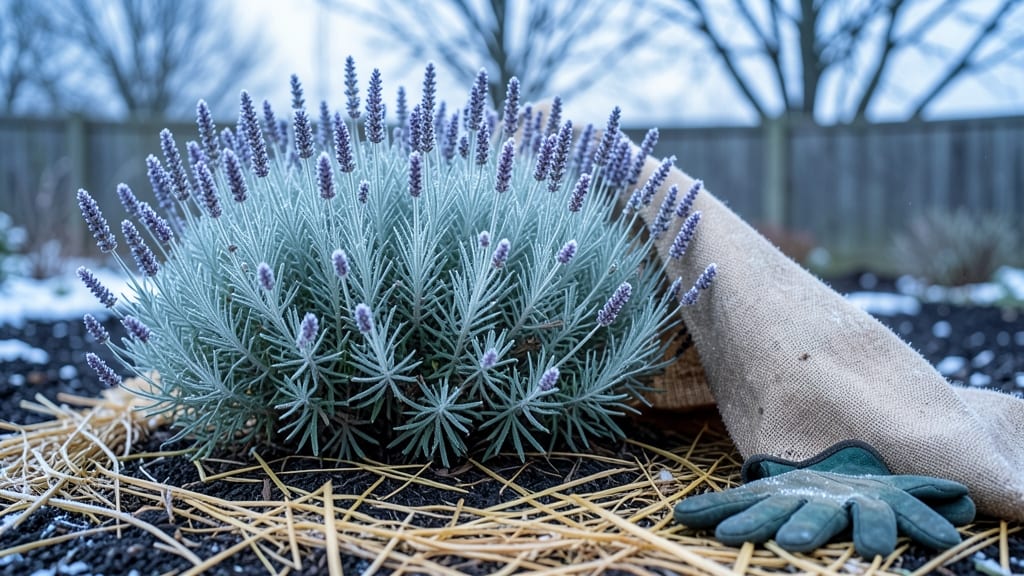
Your lavender tree’s winter care starts with one sharp cut—and I’ve learned the hard way which pruning mistakes turn woody stems to mush by spring. ✂️ After my first winter pruning disaster (yes, the branches looked like a bird’s nest), I cracked the code: timing, technique, and a little frost protection go a long way in zones 5-9.
The key is pruning right after flowering—never in fall—and shaping the tree to let sunlight warm the center. Skip the heavy shears: just trim dead growth and thin out crowded branches by one-third or less.
A thick layer of mulch (3-4 inches) acts like a cozy blanket, while wrapping young trees in burlap shields them from drying winter winds.
By spring, you’ll see fresh green shoots pushing through, not the sad, brittle stems that scream “over-pruned.” The secret? Less is more—lavender hates aggressive cuts, but it thrives with just enough air and light.
Even in harsh winters, this method keeps my trees blooming by early June, smelling like a Provençal summer.
Works for both dwarf varieties and towering standards, though container-grown lavender needs extra shelter. Here’s how to do it without turning your tree into a winter casualty—guaranteed to make your neighbors green with envy (or at least jealous of your fragrant hedge).
📚 In This Guide
- What you need
- Instructions
- Tips and common mistakes
- Wrapping up and next steps
What you need
- ● Pruning shears: Bypass pruners (sharp, clean, and 5-inch blades for precision). Sterilize with rubbing alcohol before use!
- ● Loppers: For thicker branches (½-inch diameter or larger)—look for long-handled models for leverage.
- ● Garden gloves: Heavy-duty, cut-resistant (lavender’s stems can be sharp!).
- ● Disposable pruning bags: 10-gallon capacity (for collecting clippings and debris).
- ● Hose with nozzle: Adjustable spray setting to rinse tools and clean cuts.
- ○ Pruning sealant (optional): Latex-based (like Tanglefoot Pruning Seal) for large cuts to prevent disease.
- ● Mulch: 2–3 inches of organic mulch (straw or shredded bark) to insulate roots.
- ● Frost cloth: Lightweight, breathable fabric (if temperatures dip below 15°F).
- ● Watering can or drip irrigation: For deep hydration (if your region has dry winters).
- ● Label tags: Waterproof (to mark pruned areas if you’re experimenting with techniques!).
Step-by-Step guide to pruning your lavender tree for winter survival
Here’s how I protect my lavender trees through winter—so they burst back with vibrant blooms next spring.
✂️ Step 1: Time Your Prune Before the First Frost
Prune your lavender tree 4-6 weeks before your first expected frost—that’s when the weather drops to 25-30°F. I check my local frost date online and mark the calendar because cutting too early leaves stems vulnerable to winter damage, while waiting too long risks dieback from cold snaps.
Look for woody stems that have finished flowering—these are ready for pruning. Avoid cutting into fresh green growth, which won’t harden off in time. If you’re unsure, wait until after the first hard frost but before the ground freezes solid.
🌿 Step 2: Shape and Thin for Airflow
Use clean, sharp pruners to cut back one-third of the oldest stems at the base. I target the thickest, leggiest branches first—they’re the weakest and most prone to winter damage. Make cuts at a 45-degree angle just above a leaf node or lateral bud to encourage new growth.
Thin the center of the tree to improve airflow—crowded branches trap moisture and invite fungal rot. Aim for an open, vase-like shape so sunlight reaches all sides. If your lavender tree is young, a light trim is enough; mature trees can handle a more aggressive shape.
🪴 Step 3: Mulch and Protect the Base
After pruning, spread 2-3 inches of organic mulch (like shredded bark or straw) around the base, but keep it 6 inches away from the trunk to prevent rot. This insulates roots from freezing temperatures while allowing moisture to drain.
For extra protection in Zone 6 or colder, wrap the lower trunk with burlap or frost cloth and secure it loosely. Avoid plastic—it traps moisture and can suffocate the tree. Water deeply before the ground freezes to ensure roots stay hydrated through winter.
☀️ Step 4: Shield from Harsh Elements
If you’re in a windy or snowy climate, set up a temporary windbreak using stakes and frost cloth. I’ve seen lavender trees flattened by heavy snow—just a few inches can break delicate stems. Brush off accumulated snow gently to prevent damage.
For container-grown lavender, move pots to a sheltered spot (like against a south-facing wall) and wrap the container with bubble wrap for added insulation. Check occasionally during thaws to ensure no water pools around the base.
⏰ Step 5: Monitor and Adjust Through Winter
Every 2-3 weeks, inspect your lavender tree for signs of stress—brown, brittle stems or mold mean it’s struggling. If branches look damaged, trim them back further in early spring. Avoid pruning in winter unless absolutely necessary, as new cuts won’t heal properly in cold weather.
Once spring temperatures consistently stay above 50°F, remove all winter protections. Prune again lightly to shape, but hold off on heavy cuts until you see new growth—that’s your cue the tree is ready for another season.
Tips & tricks for perfect lavender tree winter care
Here's what I've learned after years of trial and error with my own lavender trees—these tricks make all the difference between winter survival and spring disappointment.
Timing is Everything: The 4-6 week window before your first frost is non-negotiable for lavender. I've seen trees pruned too early get frostbitten stems, while those pruned too late struggle to harden off. Check your local frost date and mark your calendar—this is your target window. If you're unsure about your first frost date, most weather apps provide this information or you can check with your local agricultural extension service.
Pruning Technique Matters: When you're cutting back those one-third of oldest stems in Step 2, make sure your pruners are clean and sharp. Dull blades crush stems instead of making clean cuts, which invites disease. I also recommend cutting at a 45-degree angle just above a leaf node—this encourages new growth from exactly where you want it. If you're struggling with the angle, practice on a few branches first to get the feel.
Mulch Depth and Placement: That 2-3 inches of organic mulch is crucial, but placement matters just as much. Spread it in a donut shape around the base, keeping it 6 inches away from the trunk. Too close and you risk rot; too far and you leave roots exposed. I like to use straw because it breaks down slowly and provides excellent insulation. If you're in a particularly cold climate (Zone 6 or colder), add an extra inch of mulch for maximum protection.
Winter Monitoring Strategy: Those 2-3 week inspections during winter are your early warning system. I've caught potential problems early by looking for brown, brittle stems or any signs of mold. If you spot damage, don't panic—just make a note to trim those branches back further in early spring. The key is to monitor without disturbing the tree too much, as winter stress can be just as harmful as actual damage.
Pro Tips for Lavender Tree Winter Care
- Here's what I've learned after years of trial and error with my own lavender trees—these tricks make all the difference between winter survival and spring disappointment.
- Timing is Everything: The 4-6 week window before your first frost is non-negotiable for lavender.
- Pruning Technique Matters: When you're cutting back those one-third of oldest stems in Step 2, make sure your pruners are clean and sharp.
Frequently asked questions
about lavender tree winter care—because even the toughest plants need a little TLC! Here are answers to the most common queries to keep your lavender thriving through the cold months.When is the best time to prune my lavender tree for winter?
Prune your lavender tree after the first hard frost but before new growth starts in early spring—typically between late fall (November) and early winter (January). This timing helps protect it from late-season pests and encourages healthy regrowth. Avoid pruning in late winter or early spring, as tender new shoots can be damaged by unexpected frosts.
How much should I trim back my lavender tree in winter?
For most lavender varieties, trim back 1/3 of the previous year’s growth, focusing on shaping rather than drastic cuts. Avoid "topping" (cutting the top flat), as this can stress the plant. Use clean, sharp shears to make angled cuts just above a leaf node or bud. Pro tip: If your lavender is woody or overgrown, light pruning is better than aggressive trimming!
Do I need to protect my lavender tree from frost or snow?
Lavender is hardy but benefits from light protection in harsh winters. Wrap the base with burlap or mulch with straw to shield roots from freezing. If heavy snow accumulates, gently brush it off to prevent branch breakage. Avoid plastic covers, as they trap moisture and cause rot. In extremely cold climates, a lightweight frost cloth over the top can help.
What if my lavender tree looks dead after winter?
Don’t panic! Lavender often appears dormant in winter. Check for green shoots at the base—if they’re alive, prune back dead wood and wait for spring. If the entire plant is brown and brittle, it may have died from frost or neglect. Test by scratching the stem: if it’s moist and green underneath, it’s still viable. Pro tip: Overwatering in winter is a common killer—ensure soil is dry before rain or snow.
Can I grow lavender indoors over winter?
Yes, but it’s tricky! Move potted lavender to a sunny, cool indoor spot (50–60°F) with minimal watering. Prune lightly to reduce stress, and avoid fertilizing. By late winter, reintroduce it to outdoor conditions gradually to prevent shock. Warning: Indoor lavender may not thrive long-term—outdoor winter care is ideal for most varieties.
Wrapping up and next steps
Caring for your lavender tree in winter doesn’t have to be daunting—with the right pruning techniques and a little TLC, you’ll set the stage for a vibrant, fragrant spring. Remember, timing, sharp tools, and gentle hands are your best allies! 🌿✨
Now that you’re armed with knowledge, grab those pruners and give your lavender tree the love it deserves. Before you know it, you’ll be rewarded with lush blooms and that signature lavender scent filling your garden. Happy pruning!