
Diseases
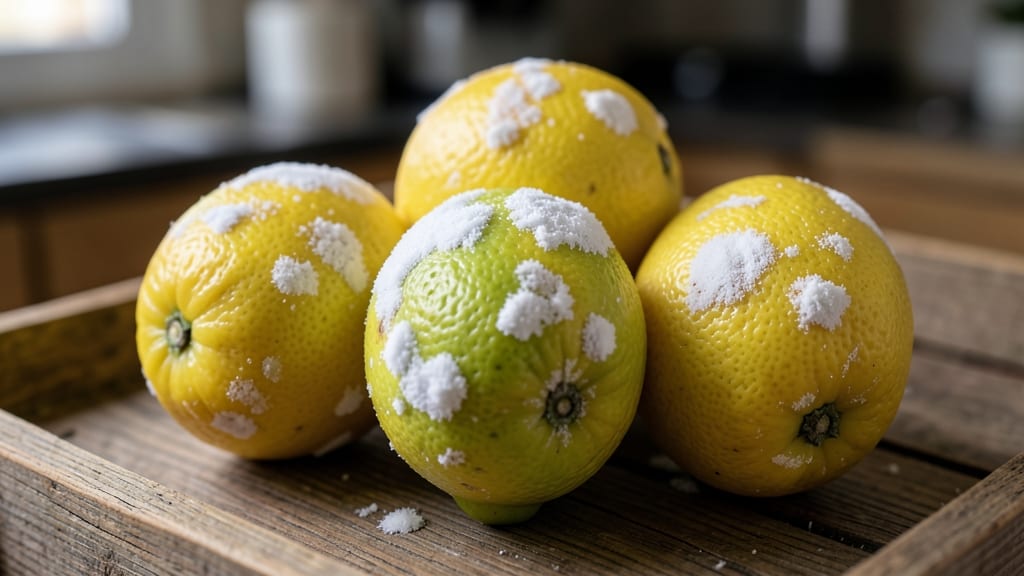
Struggling with white fungus on your lemon tree? This guide reveals 10 common types of fungal infections, how to identify them quickly, and proven organic treatments to restore your tree’s health without harsh chemicals.
Powdery Mildew on Lemon Tree Leaves
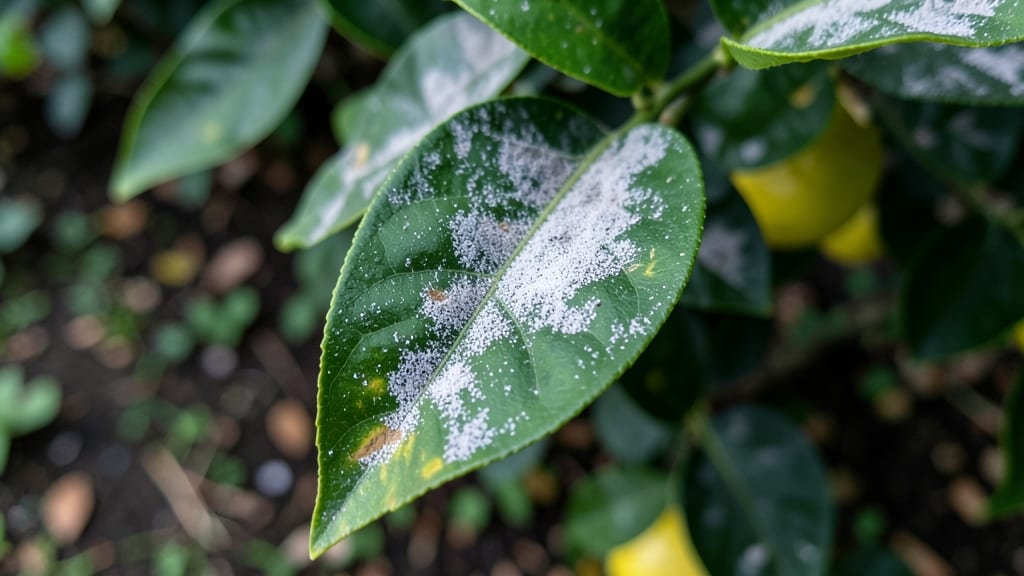
Spotting a white, powdery coating on your lemon tree leaves? That’s likely powdery mildew, the most aggressive white fungus affecting citrus. This fungal infection thrives in humid, shaded conditions and can quickly turn vibrant green leaves into yellowing, stunted messes if left unchecked.
Powdery mildew spreads via wind and water, so act fast: prune infected leaves immediately and improve airflow by spacing plants 4-6 feet apart. For organic control, spray a mix of 1 teaspoon baking soda + 1 quart water + a drop of dish soap weekly until symptoms disappear. Neem oil also works as a preventative fungicide.
This fungus is especially problematic for container-grown lemon trees or those in high-humidity climates. Early intervention keeps your tree producing healthy fruit and prevents the fungus from becoming a year-round battle. 🌱
White Rust Fungus on Citrus Fruit
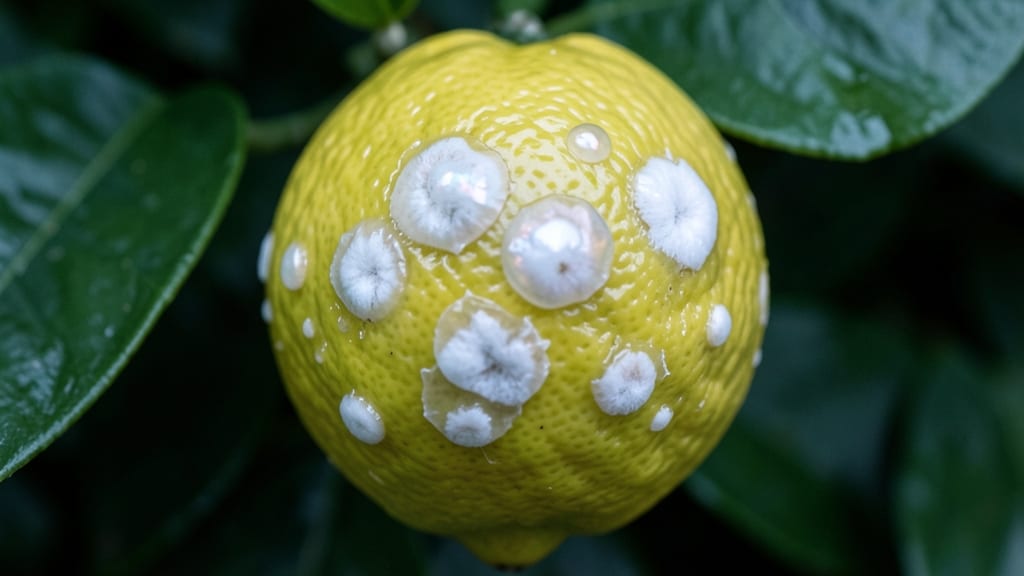
If your lemon fruit is developing white, blister-like pustules instead of just powdery spots, you’re likely dealing with white rust fungus—a sneaky citrus-specific infection that ruins both appearance and flavor. Unlike powdery mildew, these pustules rupture when touched, releasing spores that spread to nearby leaves and fruit.
This fungus thrives in warm, humid conditions and often appears as lemons mature. The key to stopping it is organic sulfur sprays (like wettable sulfur or liquid sulfur), applied every 7–14 days during active growth. Remove heavily infected fruit immediately to prevent spores from contaminating your harvest. For prevention, ensure your tree gets good airflow and avoid overhead watering.
Citrus growers in coastal or tropical climates should monitor their trees closely, as white rust spreads faster in these environments. Catching it early means you can salvage your crop—and your tree’s health. 💚
Sooty Mold from Sap-Sucking Insects
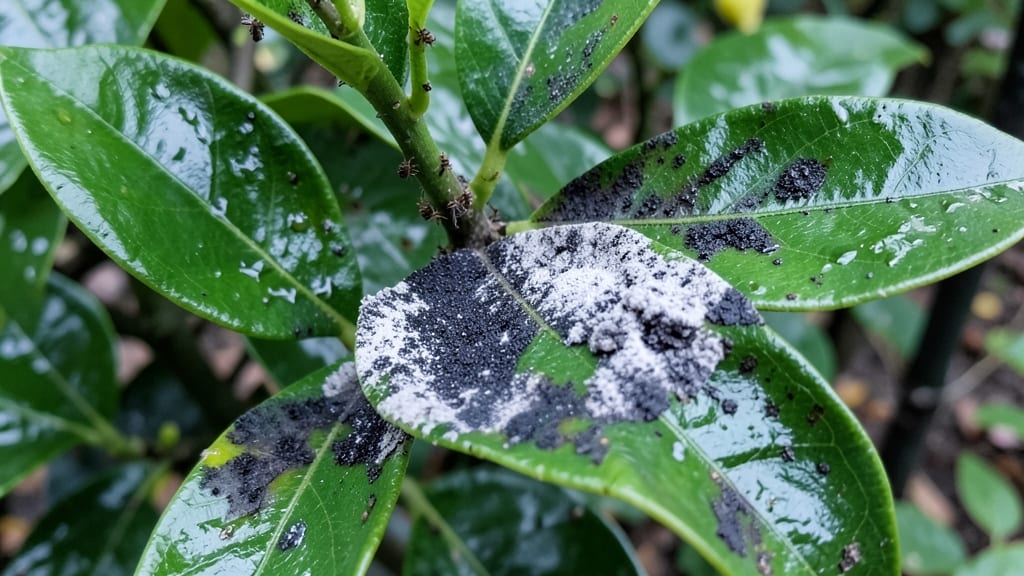
That shiny blackish-white coating on your lemon tree isn’t just dirt—it’s sooty mold, a fungal hitchhiker that thrives on the sticky honeydew left behind by sap-sucking pests like aphids and scale insects. Unlike other white fungi, sooty mold doesn’t infect plant tissue but instead smothers leaves, blocking sunlight and weakening your tree over time.
To tackle this issue, start by targeting the underlying pests with a strong spray of neem oil or insecticidal soap, which disrupts their life cycle. Once the insects are gone, the mold will gradually fade as new growth emerges. For stubborn cases, gently wipe leaves with a damp cloth dipped in mild dish soap to remove surface residue. Prevention is key—regularly inspect your tree for early signs of pests to stop sooty mold before it takes hold.
Citrus growers in humid climates or those with overcrowded trees are especially vulnerable, but this fix is simple and effective for anyone dealing with sticky leaves and weakened growth. 💚
Downy Mildew on New Growth
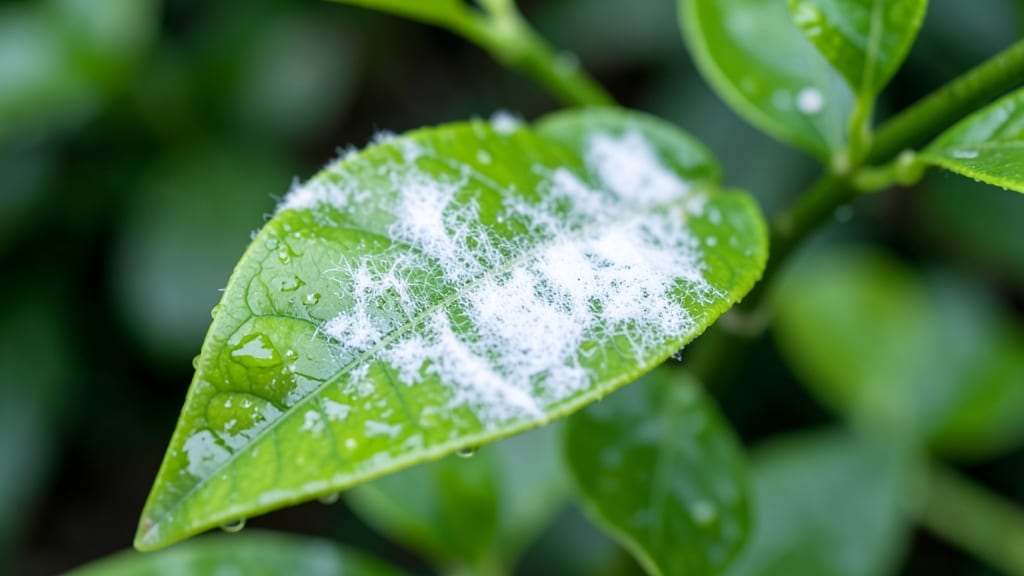
Notice white, fuzzy patches only on the undersides of your lemon tree’s newest leaves? That’s downy mildew, a sneaky fungus that thrives in shaded, humid spots and can cripple growth if ignored. Unlike powdery mildew, it rarely appears on leaf topsides—making early detection tricky.
This aggressive pathogen spreads fastest in shady, damp conditions, so prune nearby overgrown branches to improve airflow. For treatment, reach for copper-based fungicides (like copper soap) applied every 7–10 days until new growth emerges clean. Avoid overhead watering to keep leaves dry.
Citrus growers in coastal or greenhouse settings should monitor young leaves weekly during humid seasons. Catching it early means saving your tree’s vigor—and your harvest! 🌱
White Mold on Lemon Tree Soil
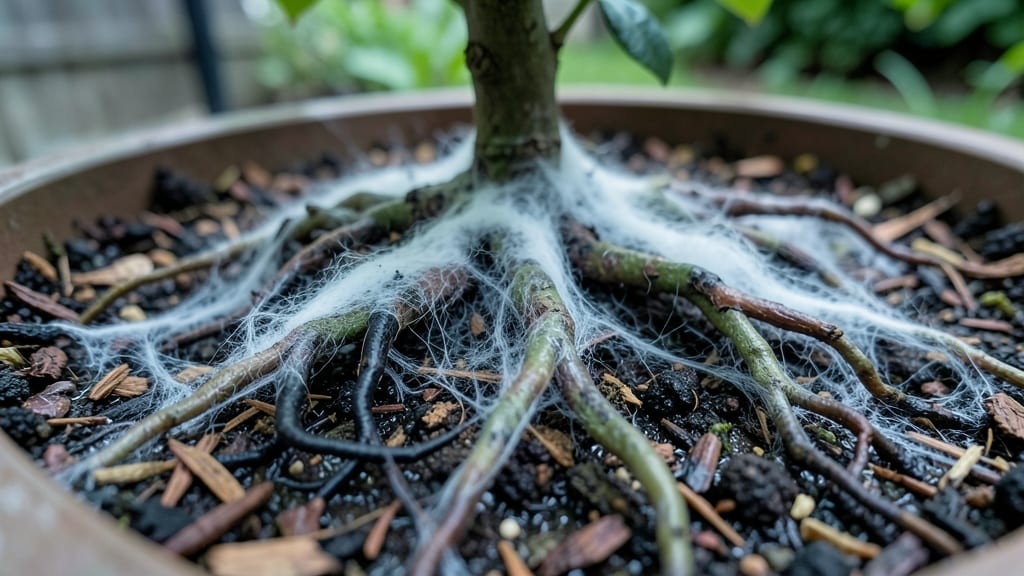
That fuzzy white growth creeping through your lemon tree’s potting mix isn’t just unsightly—it’s a red flag for root rot and soil-borne diseases. Unlike leaf fungi, this mold thrives in overwatered or poorly draining soil, smothering roots and cutting off nutrients before you even notice.
Start by improving drainage: repot into a mix with perlite or sand (at least 20% by volume) and ensure pots have drainage holes. Then, apply neem oil (1 tsp per gallon of water) every 7–10 days to starve the fungus. For severe cases, let the top 2 inches of soil dry completely between waterings—citrus roots need oxygen too!
This issue is especially critical for container-grown lemon trees, where stagnant water has nowhere to escape. With these adjustments, you’ll prevent the mold from spreading to roots and keep your tree thriving. 💡
Peach Leaf Curl on Citrus
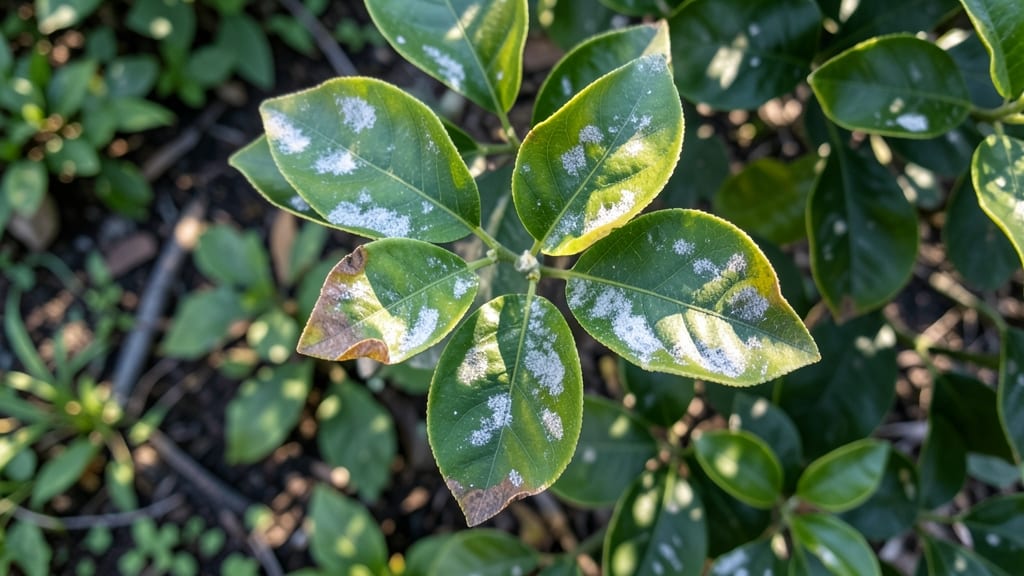
When your lemon tree leaves start curling and turning white, it might not be a fungal infection—but peach leaf curl could be the culprit. This rare citrus issue mimics fungal symptoms but stems from a bacterial or environmental stress trigger, often appearing after sudden temperature shifts or excessive moisture.
Look for thickened, puckered leaves with a white or silvery cast, typically on new growth. Unlike true fungal infections, peach leaf curl doesn’t spread through spores, making it easier to control. A baking soda spray (1 teaspoon per quart of water with a drop of dish soap) applied every 7–10 days can restore leaf health. Prune severely affected leaves to improve airflow and reduce stress.
This condition is most concerning for container-grown lemon trees or those in fluctuating climates. Early treatment ensures your tree rebounds without permanent damage, keeping it productive and vibrant. 🌟
White Fungus on Lemon Tree Trunk
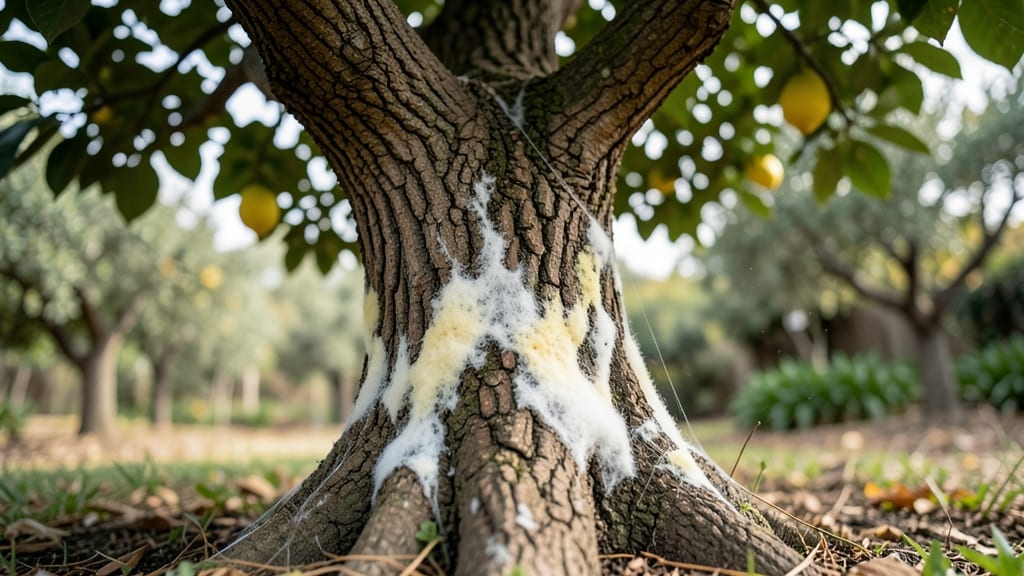
When you spot woolly or powdery white growth creeping up your lemon tree’s trunk, it’s not just unsightly—it’s a sign of environmental stress taking a toll. Unlike leaf infections, trunk fungus often goes unnoticed until it weakens the tree’s structural integrity, making swift action critical.
Start by pruning infected bark with sterilized tools, cutting at least ½ inch below the visible growth to prevent reinfection. Follow up with a horticultural oil spray (like neem or refined oil) to smother spores and restore the trunk’s protective layer. This two-step approach targets both the fungus and the underlying stress factors like poor airflow or overwatering.
Citrus growers in humid climates or container gardens see this issue most often, but the fix is simple: early intervention. With consistent care, your lemon tree’s trunk will heal and your tree will thrive again. 💚
Alternaria Leaf Spot with White Halos
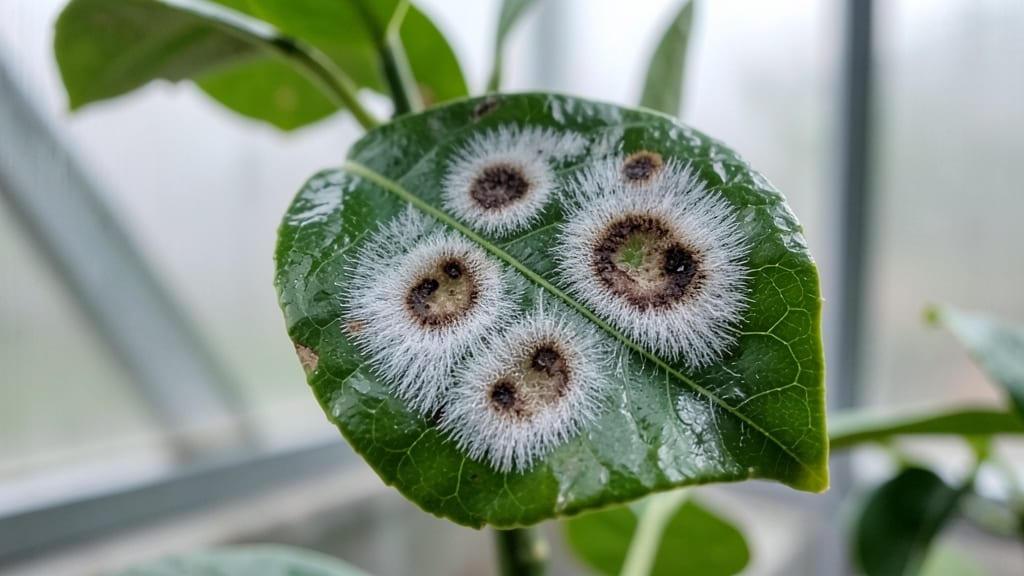
If your lemon tree leaves are developing dark brown spots ringed by white halos, you're likely dealing with Alternaria leaf spot—a fungal disease that can weaken your tree if left unchecked. Unlike powdery mildew, this fungus targets leaf tissue directly, creating those distinctive concentric patterns that spread quickly in warm, wet conditions.
To stop the spread, apply a potassium bicarbonate spray (mixed at 1 tablespoon per gallon of water) every 7-10 days until new growth appears. This organic fungicide not only halts the fungus but also preserves leaf function, allowing your tree to continue photosynthesizing while it recovers. Prune infected leaves immediately to prevent spores from spreading to healthy foliage.
Citrus growers in humid climates should monitor leaves regularly during spring and fall, when conditions are ideal for Alternaria. Early treatment keeps your tree thriving. 🌱
White Fuzz on Lemon Tree Flowers
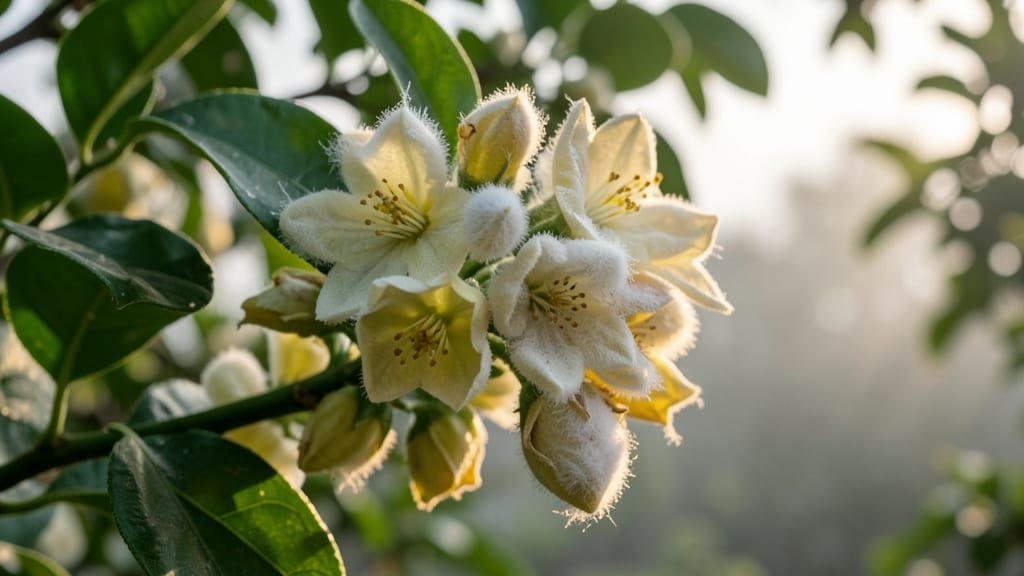
That fluffy white fuzz covering your lemon tree’s blossoms isn’t just unsightly—it’s a fungal infection that’s silently sabotaging your fruit yield. Unlike other fungal issues that target leaves or fruit, this one specifically attacks the flowers, preventing pollination and reducing harvest potential.
Start by removing infected flowers immediately with clean pruners, then apply a solution of 3% food-grade hydrogen peroxide (1 part peroxide to 3 parts water) to sterilize the area. This simple spray kills spores without harming beneficial insects. For prevention, ensure your tree gets good airflow and avoid overhead watering during bloom time.
Citrus growers in humid climates will find this solution especially valuable, as it preserves both fruit production and tree health without chemical residues. 🌻
Post-Harvest White Fungus on Citrus

Found fuzzy white spots on your freshly picked lemons? This post-harvest fungus isn’t just unsightly—it can ruin your entire harvest if left unchecked. Unlike tree-borne infections, this contamination thrives in storage, turning vibrant fruit into a mushy mess within days.
Prevent spread by storing citrus in single-layer breathable containers (like mesh bags) and refrigerating at 40-45°F. For existing contamination, wipe fruit with a 1:10 vinegar-water solution (white vinegar) to kill spores without harming the fruit. Avoid washing lemons before storage—moisture accelerates fungal growth.
Home gardeners and small-scale citrus growers benefit most from this approach, as it preserves fruit quality without chemical residues. Act fast, and you’ll keep your harvest fresh and fungus-free! 🌱