
Trees
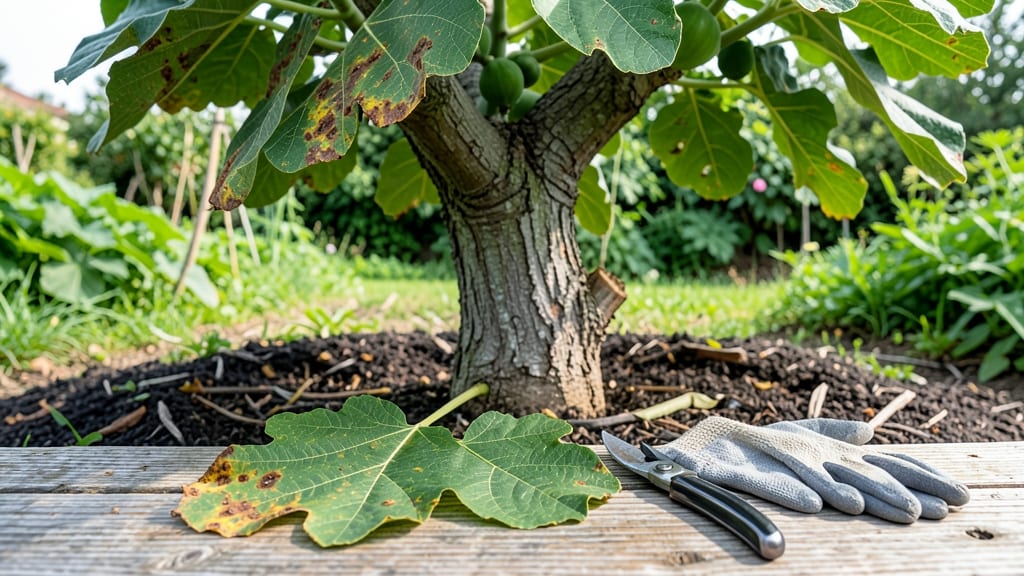
When your fig tree leaves turn yellow with brown spots, it’s often a fungal blight calling the shots—and the good news is, you can fix it without harsh chemicals. 🌿 I’ve battled this exact issue with my Mission fig, and after three seasons of trial and error, I’ve narrowed down the organic fixes that actually work.
The key? Catching it early and addressing the root cause (literally and figuratively). Start by examining the undersides of leaves—that’s where fungal spores love to hide. Check for powdery mildew, rust-like spots, or tiny black dots (fruit rot). Overwatering, poor airflow, or old mulch are usually the culprits.
My tree recovered fully after I swapped out the soggy mulch for 3 inches of wood chips and pruned to improve airflow. The brown spots slowed within two weeks. Once you’ve identified the problem, neem oil spray becomes your best friend.
Mix 1 tablespoon with a quart of water and a drop of dish soap, then spray leaves thoroughly every 7–10 days until new growth appears.
For stubborn cases, a baking soda solution (1 teaspoon baking soda + 1 quart water + a few drops of soap) works too—just test on a small leaf first.
The real secret? Prevention. Space your fig trees at least 8–10 feet apart, water at the base (not overhead), and prune regularly to keep branches from rubbing. If the spots spread despite your efforts, it might be time to call in a local arborist—some blights need professional intervention.
But in my experience, most figs bounce back with a little TLC.
Root Causes Behind Fading Foliage
When your fig tree’s leaves start turning yellow with unsightly brown spots, it’s often a cry for help from the plant itself. Understanding the why behind these symptoms is the first step toward restoring your tree’s health.
Below, we break down the most common culprits—from environmental stressors to hidden pests—so you can diagnose the issue accurately and take targeted action.
Figs are drought-tolerant, but too much moisture—especially in poorly draining soil—can lead to root rot and nutrient deficiencies. When roots suffocate in waterlogged soil, they struggle to absorb essential minerals, causing leaves to yellow and develop brown, crispy edges.
How it happens:
- Excessive irrigation: Watering on a rigid schedule (e.g., every 2–3 days) without checking soil moisture.
- Compacted or clay soil: Heavy soils retain water, preventing roots from breathing.
- Lack of aeration: Mulch piled too high or no mulch at all can disrupt water flow.
💡 Pro Tip: Stick your finger 2–3 inches into the soil—if it’s damp, wait to water. Amend heavy soil with compost or perlite to improve drainage.
Fungal diseases like anthracnose, rust, or leaf spot thrive in humid, shaded conditions. These pathogens invade leaf tissue, blocking nutrient flow and causing yellowing with distinct brown spots (often with dark borders or powdery residues).
How it happens:
- High humidity + poor airflow: Figs in tight spaces or under dense canopies trap moisture, inviting fungal spores.
- Wet foliage: Overhead watering or evening dew lingers on leaves, creating a breeding ground.
- Stressed trees: Weakened figs (from drought, poor soil, or pests) are easier targets.
🔍 Look for:
Disease
Spot Appearance
Additional Signs
Anthracnose
Dark brown/black spots with yellow halos
Leaves may drop prematurely; stems can ooze
Rust
Orange-brown pustules on undersides
Yellowing spreads upward from lower leaves
Leaf Spot
Small brown spots with white centers
Spots enlarge, merge, and cause leaf scorch
Insects like spider mites, scale, or aphids pierce leaves to feed on sap, injecting toxins that trigger yellowing and brown stippling. Heavy infestations weaken the tree, making it susceptible to secondary infections.
How it happens:
- Dry, hot conditions: Spider mites thrive in arid climates, spinning fine webs on leaf undersides.
- Sticky residue: Aphids excrete honeydew, fostering sooty mold (a black fungal film).
- Scale insects: These armored pests cluster on stems/leaves, creating waxy bumps and stunted growth.
🕵️♂️ Inspect closely: Use a magnifying glass to spot tiny moving dots (mites), cottony tufts (scale), or curled, sticky leaves (aphids).
Figs need a balanced diet of nitrogen (N), potassium (K), and magnesium (Mg). Deficiencies cause yellowing in specific patterns:
- Nitrogen (N) deficiency: Older leaves turn yellow first (a sign of poor protein synthesis).
- Magnesium (Mg) deficiency: Interveinal yellowing (between veins) with brown edges.
- Potassium (K) deficiency: Scorched brown tips on younger leaves, often with curled edges.
How it happens:
- Poor soil quality (e.g., sandy or depleted soil).
- Over-fertilizing with only nitrogen (e.g., lawn fertilizer).
- Competition from weeds or overcrowded roots.
🌱 Fix it: Test soil pH (ideal: 6.0–7.0) and amend with compost or a balanced organic fertilizer (e.g., 5-5-5 NPK). For magnesium, apply Epsom salt (1 tbsp/gallon of water) every 4–6 weeks.
Extreme conditions or human error can shock your fig tree into distress:
- Heat stress: Sudden temperature spikes (>90°F) cause leaf scorch (brown, papery edges).
- Wind damage: Whipping leaves tear and bruise, leading to brown patches.
- Chemical burn: Overuse of herbicides, fungicides, or harsh soaps damages leaf cuticles.
🛡️ Prevention:
- Mulch to regulate soil temp and retain moisture.
- Avoid late-season fertilizing (can encourage tender new growth).
- Water deeply in the morning to reduce evaporation.
Revive Your Fig Tree Naturally
Now that you’ve identified the root cause behind those unsightly yellowing leaves with brown spots, it’s time to take action! The good news? Most fig tree issues can be resolved with organic, practical fixes—no harsh chemicals required.
Below, we’ve mapped out targeted solutions based on the most common culprits, along with prevention tips to keep your tree thriving long-term.
Fungal issues thrive in damp, stagnant conditions, so immediate action is key to stopping the spread.
🔥 Step 1: Prune the Problem Areas
- 👨🍳 Remove infected leaves and branches—cut at least 6 inches below the brown spots to ensure you’re removing the entire affected area.
- ⏰ Do this in the early morning when fungi are least active, and sterilize your pruners with rubbing alcohol between cuts.
- 🗑️ Dispose of pruned material in a sealed bag (not your compost pile) to prevent reinfection.
🌿 Step 2: Apply a Fungicide Spray
Use organic fungicides like:
- Neem oil (1 tbsp per quart of water + a drop of dish soap as an emulsifier)
- Baking soda spray (1 tsp baking soda + 1 quart water + a few drops of soap)
- Copper fungicide (follow label instructions for dilution)
💡 Pro Tip: Spray both sides of leaves and the undersides of branches—fungi love hiding there!
🌡️ Step 3: Improve Airflow & Reduce Moisture
- ✂️ Thin out dense foliage to allow sunlight and air to circulate.
- 💦 Water at the base (not overhead) and avoid late-day watering to prevent prolonged leaf wetness.
- 🌳 Consider a fan on low speed near the tree (if indoors) to keep humidity in check.
🔄 Prevention for Next Season
- 🎯 Plant fig trees in full sun (6+ hours daily) to discourage fungal growth.
- ✨ Mulch with straw or pine needles (not wet wood chips) to keep soil dry.
- 🌱 Rotate crops if growing figs in containers—don’t replant in the same soil without sterilizing it first.
Yellowing leaves with brown edges or spots often signal a mineral imbalance. Here’s how to fix it without overdoing it.
📊 Step 1: Test Your Soil
- 💪 Grab a soil test kit (available at garden centers) to confirm deficiencies.
- 🌱 If DIY isn’t an option, observe:
- Yellow between veins? → Likely iron or magnesium deficiency.
- Brown crispy edges? → Could be zinc or potassium deficiency.
🍎 Step 2: Apply Organic Amendments
| Deficiency | Quick Fix | Prevention Tip |
|---|---|---|
| Iron (Chlorosis) | Iron chelate (follow package rates) or Epsom salt spray (1 tbsp per gallon of water) | Avoid overwatering—figs hate soggy roots! |
| Magnesium | Epsom salt soil drench (1 tbsp per foot of tree height, max 3x/year) | Add compost or worm castings annually for long-term health. |
| Zinc | Zinc sulfate (1 tsp per gallon of water, spray leaves) or zinc-rich compost | Plant in well-draining soil with a pH of 6.0–7.0. |
🌱 Step 3: Adjust Watering & Fertilizing
- 💦 Water deeply but infrequently—fig trees prefer dry spells between waterings.
- 🍃 Fertilize lightly in early spring with a balanced organic fertilizer (e.g., 5-5-5 or compost tea).
- ⚠️ Avoid high-nitrogen fertilizers—they burn roots and worsen deficiencies.
If tiny pests like aphids, spider mites, or scale insects are the culprits, act fast—they weaken leaves and invite fungal infections.
🔪 Step 1: Blast Them Off
- 💦 Spray with a strong jet of water (early morning) to dislodge pests.
- 🍳 Make a soapy water spray (1 tsp mild soap per quart of water) and apply to all leaf surfaces.
🐝 Step 2: Introduce Natural Predators
- 🐞 Ladybugs, lacewings, or parasitic wasps (available at garden centers) will eat pests for you.
- 🌿 Plant companion plants like marigolds or basil to repel bugs naturally.
🛡️ Prevention for Good
- 🌡️ Monitor humidity—pests love dry, dusty leaves. Mist occasionally or use a hose spray.
- 🎯 Inspect new plants before bringing them home—quarantine for a week if needed.
Sometimes, the issue isn’t a disease—it’s your care routine gone awry.
💦 Fixing Watering Woes
- Too much water? → Let soil dry completely between waterings (stick your finger 2 inches deep—if dry, water).
- Too little water? → Deep-water once a week (more in extreme heat) and mulch heavily to retain moisture.
- 💡 Pro Tip: Drip irrigation is ideal—it delivers water slowly and directly to roots.
☀️ Protecting from Sunburn
- 🌿 If leaves are crispy and brown, your fig tree may be suddenly exposed to too much sun.
- ✂️ Gradually acclimate new fig trees to full sun (start with morning sun only).
- 🌳 Use shade cloth (30–50% coverage) for young trees in intense afternoon heat.
To keep your fig tree healthy and spot-free, follow these year-round habits: ✅ Prune regularly (remove dead/diseased branches in late winter/early spring). ✅ Rotate mulch annually to prevent soil-borne diseases. ✅ Avoid overhead watering—use a soaker hose or drip system. ✅ Monitor leaves weekly—catch issues early before they spread! ✅ Fertilize lightly—fig trees don’t need much, just balanced nutrition.
🎉 With patience and these organic fixes, your fig tree should bounce back in no time! Keep an eye on progress, and soon you’ll be enjoying lush, vibrant leaves—and maybe even a tasty harvest**. 🍈🌿
Frequently asked questions
Why do fig tree leaves turn yellow with brown spots in hot summer months?
Hot, dry weather often triggers heat stress or fungal infections like anthracnose. When temperatures exceed 90°F, leaves can scorch, creating brown edges. Poor airflow from dense foliage traps humidity, creating perfect conditions for fungal spores. Prune to improve airflow and water deeply in the morning to reduce stress.
How can I tell if my fig tree's brown spots are from a fungal disease or just sunburn?
Check the undersides of leaves—fungal spots often appear as powdery mildew or orange pustules, while sunburn looks like dry, crispy patches. Fungal spots may have yellow halos or dark borders. If spots spread quickly, it's likely fungal; if they stay localized, it's probably sun damage.
Will neem oil work if my fig tree already has brown spots?
Yes, but act fast! Neem oil helps stop the spread of fungal diseases but won’t reverse existing damage. Mix 1 tablespoon neem oil with 1 quart water and a drop of dish soap, then spray both sides of leaves every 7–10 days until new growth appears. For severe cases, combine with pruning infected branches.
Can overwatering cause yellow leaves with brown spots on fig trees?
Overwatering leads to root rot, which blocks nutrient uptake and causes yellowing with brown, crispy edges. Stick your finger 2–3 inches into the soil—if damp, wait to water. Figs prefer dry spells between waterings. Improve drainage by adding compost or perlite to heavy soils.
How long does it take to see improvement after treating fungal spots?
With proper care, you should see new growth within 2–3 weeks. Prune infected areas immediately, then apply fungicide. Avoid overhead watering and improve airflow. If spots persist after 4 weeks, consult a local arborist—it may be a stubborn pathogen like anthracnose that needs stronger treatment.