
Planting
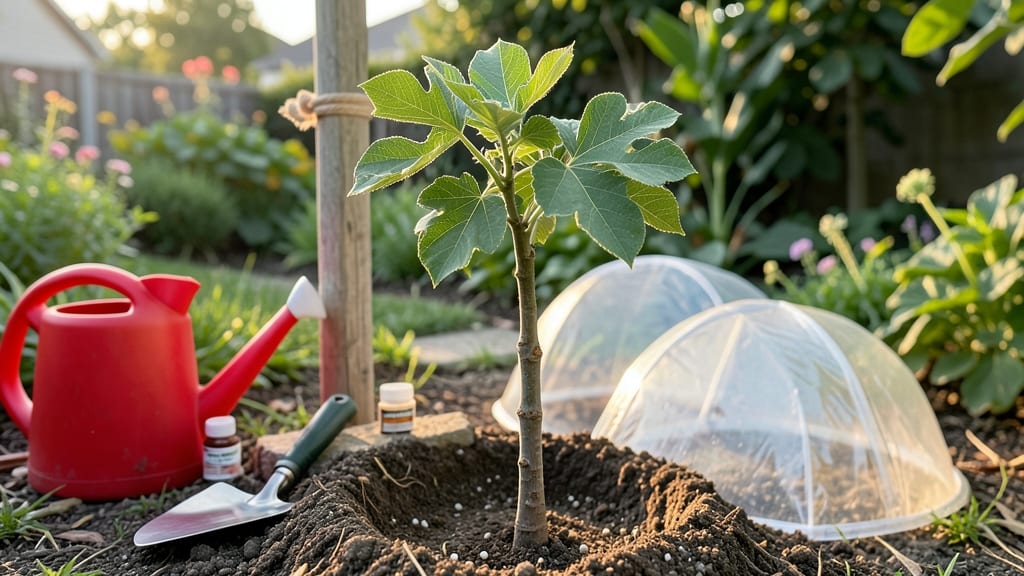
Planting a fig tree from a single fig is easier than you think—and it’s the perfect way to grow a fruit tree without buying a sapling. 🌱 I’ve turned grocery-store figs into thriving trees using just a few simple steps, and you can too.
The key is patience and the right conditions, but the payoff is worth it: homegrown figs in just a few years.
You’ll need a ripe, firm fig (not mushy), a small pot or direct planting spot, well-draining soil, and a sunny location. Safety tip: wear gloves—fig sap can irritate skin.
The process itself takes less than 15 minutes, but the real magic happens over months as roots form and the tree grows. Start in early spring for the best success.
After planting, keep the soil moist (not soggy) and place the fig in bright, indirect light for the first few weeks. Once sprouts appear—usually in 4-8 weeks—you’ll know it’s working.
By summer, you’ll see new leaves, and with proper care, your tree could bear fruit in 2-3 years. The first harvest? Sweet, juicy figs straight from your backyard.
Troubleshooting is simple: if the fig rots, it was too wet; if nothing sprouts, try a different fig variety. Fig trees are forgiving, so don’t stress—just keep the soil consistent and the sun shining. Ready to grow your own? Let’s get started with the full step-by-step guide.
📚 In This Guide
- What you need
- Instructions
- Tips and common mistakes
- Wrapping up and next steps
What you need
- ● Fresh, organic fig: Choose a ripe fig from a healthy tree (preferably one with a small stem or "eye" where leaves may sprout).
- ● Sharp knife or pruning shears: Sterilized to prevent disease (rubbing alcohol works great!).
- ● Well-draining potting mix: A blend of cactus/succulent soil and perlite or coarse sand (ratio: 2:1). Avoid heavy garden soil!
- ● Small pots or containers: 4–6 inches in diameter with drainage holes (or a seed tray).
- ● Drainage tray or saucer: To catch excess water and prevent root rot.
- ● Spray bottle: For gentle watering (avoid over-saturating the fig).
- ○ Clear plastic bag or humidity dome: To create a mini greenhouse effect (optional but helpful for germination).
- ● Plant label and marker: To track your fig’s progress (trust us, you’ll forget which is which!).
- ● Rooting hormone: Speeds up root development (gel or powder form).
- ● Grow lights or sunny windowsill: Figs love bright, indirect light (6+ hours/day).
- ● Fertilizer (balanced, low-nitrogen): Like a 5-5-5 or 10-10-10 formula, diluted to half-strength. Wait until sprouts appear!
- ● Mulch (for outdoor planting later): Straw or wood chips to retain moisture and regulate soil temp.
- ● Garden gloves: To protect your hands from prickly fig stems (if your fig has any!).
Step-by-Step instructions for growing a fig tree from a fresh fig
Here's how to turn that grocery store fig into a thriving tree with just a few supplies and patience.
🌱 Step 1: Select and Prepare Your Fig
Choose a firm, ripe fig with a short stem—this is your future tree. Look for one that's plump but not mushy, with a stem about 1-2 inches long. The stem should feel slightly woody when you gently squeeze it. Cut the stem at a 45-degree angle just below a leaf node (that little bump where leaves grow out).
Don't worry if the fig looks imperfect—fig trees are forgiving. I've rooted everything from grocery store rejects to slightly overripe ones. Just avoid figs that feel soft or have mold. Place your cut stem in a glass of water immediately to keep it hydrated while you work.
💧 Step 2: Root the Stem in Water
Fill a clean glass with room-temperature water until the fig stem's cut end is submerged by about 1 inch. Change the water every 2-3 days to prevent bacterial growth. Place the glass in a spot with bright, indirect light—a kitchen windowsill works perfectly. Avoid direct sun, which can overheat the water and stress the stem.
You'll see roots forming in 3-6 weeks, but don't rush this process. Patience here means a stronger tree later. When roots reach about 2 inches long, your stem is ready for soil. I like to wait until I see multiple roots clustered together—this signals the stem is committed to growing.
🪴 Step 3: Plant the Rooted Stem
Choose a 6-inch diameter pot with drainage holes and fill it with a mix of 50% potting soil and 50% perlite. This blend drains well while retaining enough moisture for new roots. Make a hole in the center deep enough to bury about half of your rooted stem. Gently place the stem in the hole, covering the roots with soil.
Press the soil lightly around the stem to remove air pockets, then water thoroughly until water runs out the drainage hole. The top inch of soil should feel moist but not soggy. Place your new pot in a spot with 6+ hours of sunlight daily. If you're using a windowsill, rotate the pot a quarter turn weekly so the stem grows straight rather than leaning toward the light.
☀️ Step 4: Care for Your Young Tree
Water your fig tree when the top inch of soil feels dry to the touch. Figs hate soggy roots, so always check moisture before watering. During the first month, your tree will focus on establishing roots, so you'll see little growth above ground. That's normal—keep the soil consistently moist but not waterlogged.
After 4-6 weeks, you should see new leaves emerging from the top of the stem. This is your signal that the tree is thriving. Once the stem has 3-4 sets of leaves, it's ready to be transplanted into a larger 10-inch pot or directly into the ground if your climate allows. Figs love warmth, so wait until nighttime temperatures stay above 50°F before moving outdoors.
✂️ Step 5: Prune and Encourage Growth
When your fig tree reaches about 12 inches tall, it's time for the first pruning. Use clean, sharp scissors to trim the top set of leaves, cutting just above a leaf node. This encourages the tree to branch out instead of growing tall and leggy. You'll see new side shoots forming within 2-3 weeks—these will become your tree's framework.
Continue pruning throughout the growing season to shape your tree. In late winter or early spring, cut back any dead or weak branches to encourage new growth. Figs are heavy producers, so you'll want to support the tree as it matures. A small stake or trellis helps prevent branches from breaking under the weight of fruit.
Tips & tricks for growing a fig tree from a fresh fig
Here's what nobody tells you about turning that grocery store fig into a thriving tree—lessons learned from my own trial-and-error growing.
Stem Selection Secret: The 45-degree angle cut in Step 1 isn't just about looks—it increases surface area for root growth. Use a clean, sharp knife (or even a pair of scissors) to make the cut just below a leaf node. I've found that stems with 2-3 leaf nodes have the best success rate because they contain more growth hormones. Avoid stems that feel spongy or have cracks—they won't root well.
Rooting Environment: While bright indirect light is ideal for Step 2, I've discovered that adding a small drop of liquid seaweed fertilizer to the water every 2-3 days (when you change it) can speed up root growth by about 10%. The roots will still take 3-6 weeks, but you'll see them appear faster. Just use sparingly—too much fertilizer can harm the delicate stem.
Soil Mix Matters: The 50/50 potting soil to perlite mix in Step 3 is perfect, but I've had even better results using a 40/40/20 blend of potting soil, perlite, and coarse sand. The sand helps with drainage while still retaining enough moisture for new roots. When planting, make sure the stem's cut end is about 1 inch below the soil surface—this prevents rot while encouraging strong root development.
Sunlight Strategy: For Step 4, if you're using a windowsill, I recommend placing your pot on the south-facing side first to test the light. Figs love sunlight, but too much direct sun too soon can scorch young leaves. Gradually increase exposure over 3-4 days. I've also found that placing a small fan nearby (on low setting) helps strengthen the stem by creating gentle air movement—this mimics natural wind conditions.
Pro Tips for Plant A Fig Tree From A Fig
- Here's what nobody tells you about turning that grocery store fig into a thriving tree—lessons learned from my own tr...
- Stem Selection Secret: The 45-degree angle cut in Step 1 isn't just about looks—it increases surface area for root gr...
- Rooting Environment: While bright indirect light is ideal for Step 2, I've discovered that adding a small drop of liq...
Frequently asked questions
Got questions about growing a fig tree from a single fig? You’re not alone! Here are answers to the most common concerns—so you can plant with confidence and avoid pitfalls.
Can I grow a fig tree from any fig I buy at the store?
Most store-bought figs are hybrid varieties or grown from cuttings, so they might sprout—but results aren’t guaranteed. For best success, use organic, seed-bearing figs (like Black Mission or Brown Turkey) or ask local nurseries for heirloom varieties. If you’re unsure, test a few figs!
How long does it take for a fig seed to sprout?
Patience is key! Fig seeds can take 2–6 weeks (or even months) to sprout, depending on temperature and moisture. Keep the soil consistently damp and warm (70–80°F) to speed things up. If nothing happens in 8 weeks, the seed may not be viable—try another fig!
Do fig trees need full sun, or can they grow in partial shade?
Fig trees love full sun (6+ hours daily) for sweet fruit and strong growth. However, young seedlings can tolerate partial shade (4–6 hours of sun) while establishing roots. Once mature, move them to a sunnier spot to maximize fruit production. Avoid deep shade—it weakens the tree and reduces yields.
What should I do if my fig seedling looks wilted or has yellow leaves?
Wilting or yellowing leaves usually signal overwatering, underwatering, or pests. Check the soil—it should stay moist but not soggy. If pests (like aphids or spider mites) are present, wipe leaves with soapy water or use neem oil. Adjust sunlight exposure if leaves scorch (too much sun) or stretch weakly (too little).
Can I plant a fig tree in a pot, or does it need to be in the ground?
Fig trees thrive in containers (5+ gallon pots) for patios or small spaces. Use well-draining soil and a pot with drainage holes. Move pots indoors during winter if temps drop below 20°F. Just ensure the pot is large enough—root-bound trees struggle to fruit. Bonus: Container-grown figs are easier to protect from pests!
Wrapping up and next steps
Growing a fig tree from a fig is a rewarding journey—full of patience, care, and the joy of nurturing life from something as simple as a fruit! 🌱 Whether you’re a beginner or a seasoned gardener, following these steps will give your fig tree the best start.
Once your tree takes root, don’t forget to protect it from frost and prune it wisely to encourage healthy growth.
Now that you’re armed with knowledge, why not share the magic? Gift a fig to a friend or neighbor and guide them through the process—together, you’ll watch tiny cuttings bloom into lush, fruit-bearing trees. Happy planting! 🌿