
Flowers
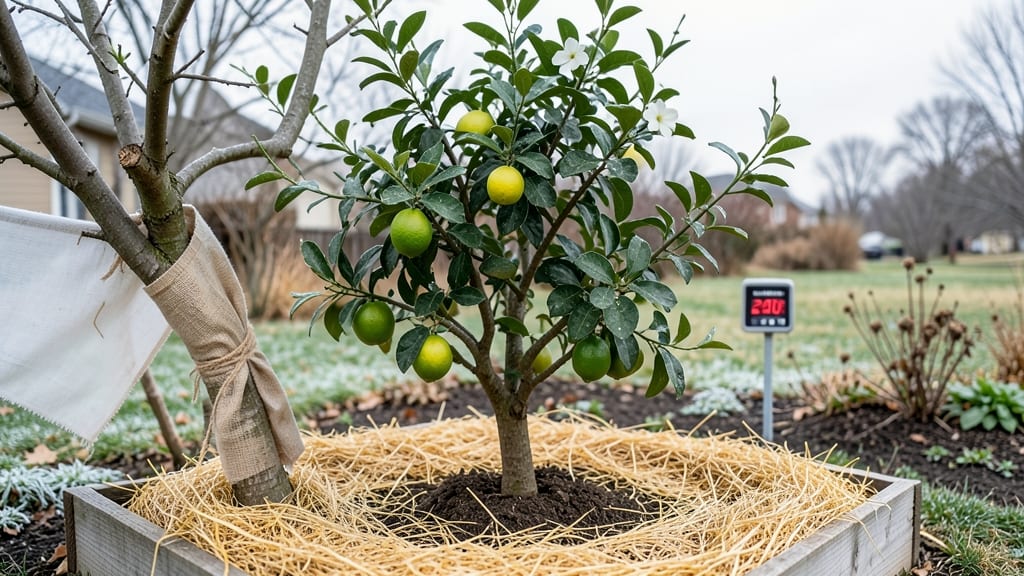
Lemon trees tolerate low temperatures only down to about 28°F, where even cold-hardy varieties like Meyer lemons start to struggle.
You’ve poured time and care into your 🍋, only to watch it shiver under winter’s first frost. The good news? With the right strategies, you can push your lemon tree’s limits—even in zones like 6a—and keep it alive for another harvest.
Cold damage isn’t just about the thermometer reading. It’s about soil insulation, wind protection, and knowing when to move your tree indoors. Below, I’ll walk you through the critical thresholds, protective measures, and signs your lemon tree is fighting back against the chill.
Whether you’re growing a dwarf Meyer in a pot or a standard lemon in the ground, these steps will help you extend your citrus season and avoid the heartbreak of a frozen tree.
How cold can lemon trees tolerate? Understanding low-temperature limits
Lemon trees (Citrus × limon) are tropical plants that naturally thrive in warm climates, making them sensitive to cold. While most varieties can’t survive prolonged freezing temperatures, some can handle brief chills.
The critical threshold for most lemon trees is 28°F (-2°C), where irreversible damage begins. Understanding these limits helps you protect your tree during winter months.
Native to USDA Zones 9–11, lemon trees struggle in colder regions without protection. However, Meyer lemons are slightly more cold-hardy, tolerating temps down to 20°F (-6°C) for short periods. Standard varieties like Eureka and Lisbon fare poorly below 32°F (0°C), often resulting in leaf drop or bark damage.
Cold exposure risks vary: short-term dips (like a single night below 32°F) may cause temporary stress, while prolonged cold (weeks below freezing) can kill the tree. Even mild freezes (28–32°F) can stunt growth or reduce fruit production. Knowing your tree’s variety and local climate is key to survival.
🌱
| Variety | Cold Tolerance | Notes |
|---|---|---|
| Meyer Lemon | 20°F (-6°C) | Most cold-hardy; tolerates brief cold snaps |
| Eureka Lemon | 28°F (-2°C) | Standard variety; needs protection below 32°F |
| Lisbon Lemon | 28°F (-2°C) | Similar to Eureka; sensitive to frost |
| Ponderosa Lemon | 28°F (-2°C) | Large fruit; same cold limits as Eureka |
If you live in USDA Zones 8 or below, growing lemon trees outdoors year-round is challenging. However, with proper winter care, you can extend their lifespan. Container-grown trees are easier to move indoors or protect during cold snaps.
Even in Zone 9, nighttime temps dropping below 30°F (-1°C) can stress your tree, so proactive measures are essential.
Soil temperature matters just as much as air temperature. Lemon tree roots are particularly vulnerable to cold, so mulching deeply (4–6 inches) with straw or wood chips can insulate them.
In containers, move your tree to a garage or sheltered patio when temps dip below 40°F (4°C). A simple thermometer probe in the soil helps monitor root-zone temps.
Short-term cold exposure (like a single night at 25°F (-4°C)) may cause leaf blackening but won’t kill the tree. However, prolonged exposure below 28°F (-2°C) risks bark splitting or root damage.
Prune back damaged branches in late winter to encourage new growth, but avoid heavy pruning until spring when the tree can recover.
🌡️
Microclimates play a crucial role in lemon tree survival. Planting near south-facing walls or heat-retaining structures can raise local temperatures by 5–10°F. Wind also exacerbates cold damage, so windbreaks (like bamboo fences or shrubs) help shield your tree.
In urban settings, heat from buildings or paved surfaces can create pockets of warmth where lemon trees might survive slightly colder nights.
For gardeners in Zone 7 or colder, overwintering lemon trees indoors is often the best strategy. Place the tree near a bright, south-facing window and reduce watering to every 2–3 weeks during dormancy. Avoid fertilizing until spring, as cold-stressed trees are more susceptible to root rot from excess moisture.
🪴
Protecting lemon trees from freezing: Step-by-Step winter care guide
Winter can be brutal for lemon trees, especially when temperatures drop below 28°F (-2°C). Without proper protection, your citrus plant may suffer leaf damage, bark splitting, or even dieback. The good news?
With the right techniques, you can shield your tree from freezing temperatures and keep it healthy until spring. Whether you're a container gardener or have an in-ground tree, these steps will help you prepare.
Start by monitoring soil temperature—this is the key to preventing root damage. Use a soil thermometer to check levels; roots can start dying at 32°F (0°C). If you're in USDA zones 8 or colder, your lemon tree will need extra care.
For Meyer lemons, which are slightly more cold-tolerant, you can still take precautions to push their limits. Let’s dive into the actionable steps to protect your tree.
- 🪴 Step 1: Mulch Heavily – Apply a 4-6 inch layer of organic mulch (straw, wood chips) around the base. This insulates roots and keeps soil 5-10°F warmer.
- 🧣 Step 2: Cover the Tree – Wrap the trunk and branches in burlap or frost cloth. Secure loosely to allow airflow and prevent moisture buildup.
- 🏠 Step 3: Move Containers Indoors – If possible, relocate potted lemon trees to a garage, basement, or sunroom with temperatures above 40°F (4°C). Use a grow light for 6-8 hours/day.
- 🌡️ Step 4: Monitor Soil Temperature – Bury a soil thermometer near roots. If temps drop below 32°F (0°C), add extra mulch or use a heating mat for containers.
- 💧 Step 5: Reduce Watering – Water only when soil is dry to prevent root rot. Overwatering in cold weather stresses the tree further.
- ✂️ Step 6: Prune Damaged Branches – After winter, trim any blackened or brittle branches. Sterilize pruners with rubbing alcohol to prevent disease.
For urban gardeners with limited space, DIY solutions can make a big difference. Use old blankets or towels to drape over the tree on frost nights. Secure them with clips or bricks to avoid wind damage.
If you’re growing a dwarf Meyer lemon, a clear plastic tent (like a large storage bin with the top cut off) can trap heat during cold snaps. Just remember to ventilate during the day to prevent moisture buildup.
After winter, check for signs of cold damage like brown leaves or peeling bark. If the tree looks healthy but leathery, it may recover with time and proper care.
Resume fertilizing in spring once new growth appears, and keep an eye on soil moisture—lemon trees need consistent hydration as they rebound from winter stress. With these steps, your tree can bounce back stronger than ever.
Don’t wait until the first frost to act—prepare now! Early winter care gives your lemon tree the best chance to survive the cold and reward you with juicy lemons next season. 🍋