
Pruning
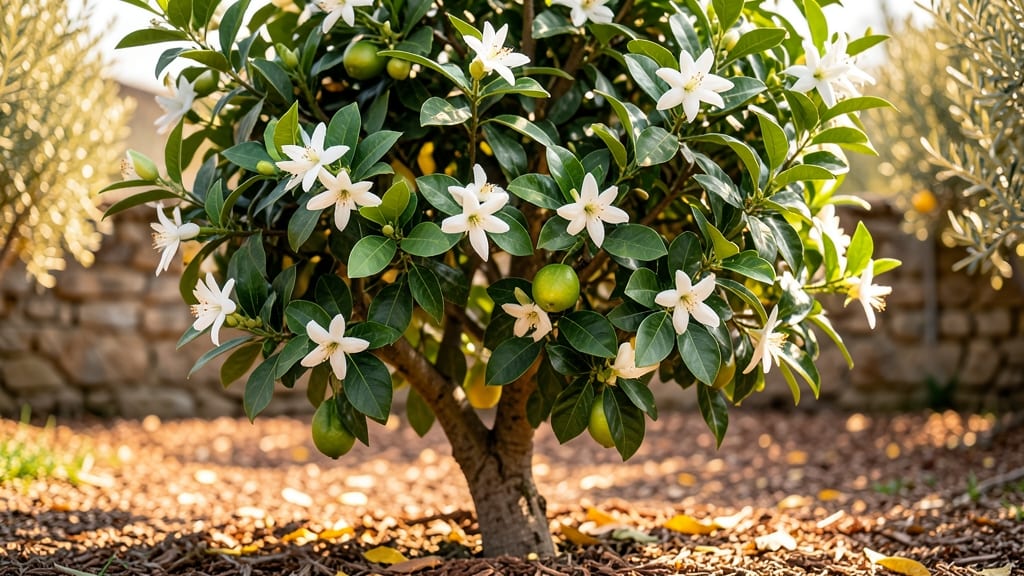
Your lemon tree’s floral pruning isn’t just about trimming branches—it’s the secret to turning a handful of blooms into a year-round explosion of fragrant white flowers. 🌸 I’ve watched my Meyer lemon tree go from sparse blooms to heavy clusters simply by adjusting when and how I prune, and the difference in fruit production is shocking.
The key lies in understanding the tree’s natural rhythm and giving it the right conditions to keep flowering.
Timing matters most: prune lightly after harvest in late winter or early spring to encourage new growth, but avoid heavy cuts during bloom season—those flowers need energy to set fruit.
Pair pruning with balanced fertilization (high nitrogen early, then switch to phosphorus-heavy in spring) and full sun exposure (6+ hours daily), and you’ll trigger more floral buds than you can count. Even indoor trees respond well if you mimic these conditions with grow lights and humidity.
What you’ll end up with is a tree covered in hundreds of blossoms that perfume your yard and eventually turn into sweet, juicy lemons. The fragrance alone is worth the effort—imagine waking up to that citrusy scent drifting through your kitchen window.
With the right cuts, you’ll also improve airflow, reducing fungal issues and giving each bloom the best chance to develop into fruit.
This method works for both outdoor citrus trees and container-grown varieties, though dwarf types may need slightly gentler pruning. The payoff? A tree that keeps blooming throughout the year instead of just once. Here’s exactly how to time your cuts for maximum floral response—no guesswork, just proven results.
📚 In This Guide
- What you need
- Instructions
- Tips and common mistakes
- Wrapping up and next steps
What you need
- ● Pruning shears – Bypass pruners (sharp, clean, and sterilized with rubbing alcohol to prevent disease). Size: 6-8 inches for medium branches.
- ● Pruning saw – For thicker branches (½ inch or larger). Opt for a curved-tooth saw to minimize tear.
- ● Gloves – Garden gloves (thick, cut-resistant) to protect from thorns and sap.
- ● Disinfectant – 70% isopropyl alcohol or a commercial pruning spray (to sterilize tools between cuts).
- ● Rubbing alcohol – Small bottle (for quick tool cleanups mid-pruning).
- ○ Pruning sealant – Optional but helpful: Tree wound sealant (for large cuts to prevent sap bleed).
- ● Ladder or step stool – If your tree is 6+ feet tall (ensure it’s stable and non-slip).
- ● Trash bags or bucket – For collecting pruned branches (use biodegradable bags if composting).
- ● Notebook & pen – To sketch your tree’s structure or note bloom-heavy branches.
- ● Know your lemon tree’s variety – Some (like Meyer lemon) bloom more prolifically than others. Research if yours is spring-flowering or year-round.
- ● Best pruning time – Aim for late winter/early spring (just before new growth) or right after harvest to encourage floral growth.
- ● Healthy tree check – Ensure your tree is disease-free (no mold, pests, or dead wood) before pruning.
- ● Sunlight & water access – Prune on a mild, sunny day (avoid windy or rainy conditions). Water the tree 24 hours before for easier cuts.
Step-by-Step guide to lemon tree floral pruning
Transform your lemon tree into a blooming powerhouse with these seasonal cuts.
🌿 Step 1: Identify Blooming and Non-Blooming Branches
Start by examining your tree for branches with flower buds—these look like small green bumps along the stems. Healthy blooms form at leaf junctions, often in clusters. Remove only branches without buds or flowers, as these drain energy from potential fruit production. I always prune in the morning when the tree is hydrated, making cuts easier.
Use clean, sharp pruners to avoid tearing bark. Cut just above a leaf node or outward-facing bud to encourage outward growth. If you're unsure, leave the branch—better to err on caution than over-prune. Look for branches growing inward or crossing others; these compete for sunlight and should be removed first.
✂️ Step 2: Prune for Airflow and Sunlight
Focus on thinning out dense areas to improve airflow, which prevents fungal diseases like citrus blight. Aim for an open canopy where sunlight reaches the center. I target branches thicker than ¼ inch—these are mature enough to handle pruning without stress. Cut at a 45-degree angle just above a bud facing outward.
Remove any dead, diseased, or damaged branches entirely. Sterilize your pruners with rubbing alcohol between cuts to prevent spreading pathogens. Watch for water sprouts—fast-growing vertical shoots that steal energy. Snip these off at the base immediately. After pruning, step back and visualize the tree's shape—you want a balanced, vase-like form.
🌱 Step 3: Encourage New Growth with Strategic Cuts
Prune lightly in spring (just before new growth starts) to shape the tree and remove winter damage. In summer, after harvest, focus on thinning out crowded branches to promote airflow. I avoid heavy pruning in fall or winter, as the tree needs energy to recover before spring blooms. Always cut back to a strong branch or leaf node.
For established trees, limit pruning to 10-20% of the canopy per year. Over-pruning stresses the tree and reduces fruit production. After each cut, apply a citrus-safe fungicide to the wound if your tree is in a humid climate. Water deeply afterward to help the tree recover. You’ll see new growth in 4-6 weeks—this is your sign the pruning worked.
☀️ Step 4: Maintain Year-Round with Seasonal Adjustments
Adjust your pruning schedule based on blooms. If flowers appear in winter, prune lightly after they drop to avoid removing next year’s buds. In spring, prune just after blooms fade but before new growth begins. Summer pruning should focus on shaping, not heavy cuts. I always carry a small notebook to track bloom times and adjust my schedule yearly.
Fertilize lightly after pruning with a balanced citrus fertilizer to support new growth. Avoid heavy nitrogen—it encourages leafy growth at the expense of flowers. Monitor the tree for signs of stress, like yellowing leaves or dropped buds. If you see these, reduce pruning in future seasons. With consistent care, your lemon tree will reward you with year-round blooms and abundant fruit.
Tips & tricks for perfect lemon tree floral pruning
Real talk: Pruning a lemon tree well is all about balance—too much, and you stress the tree; too little, and you miss that bloom bonanza. Here's what I've learned after years of trial and error.
Timing is Everything: The morning hours after sunrise are ideal for pruning because the tree's sap is flowing steadily, reducing stress. If you must prune later in the day, do it in the late afternoon to avoid the intense midday sun. I've found that pruning in the morning also helps prevent fungal infections from setting in during humid evenings.
The 45-Degree Angle Secret: When making cuts in Step 2, that 45-degree angle isn't just for looks—it prevents water from pooling on the cut surface, which can lead to rot. Angle the cut outward from the branch collar (the swollen area where the branch meets the trunk). This also helps the wound heal faster by allowing rainwater to run off instead of collecting.
Seasonal Pruning Calendar: Mark your calendar for these key dates: late winter (just before spring growth begins), early summer (after harvest), and late summer (for shaping). In Step 3, the instructions mention avoiding heavy pruning in fall and winter, but I've found that a light pruning in early winter—right after the first frost—can actually stimulate early spring blooms by removing any lingering dead growth.
Pruner Maintenance: Your pruners are your most important tool, so treat them like it. After every few cuts, wipe them clean with rubbing alcohol (as mentioned in Step 2) and store them in a dry place. I've ruined several good pruning sessions because my tools were dull or dirty. A sharp, clean cut heals better and looks more professional. Also, keep a small notebook handy to record which branches you pruned and when—this helps track growth patterns over the seasons.
Pro Tips for Lemon Tree Floral
- Real talk: Pruning a lemon tree well is all about balance—too much, and you stress the tree; too little, and you miss...
- Timing is Everything: The morning hours after sunrise are ideal for pruning because the tree's sap is flowing steadil...
- The 45-Degree Angle Secret: When making cuts in Step 2, that 45-degree angle isn't just for looks—it prevents water f...
Frequently asked questions
Got questions about pruning your lemon tree for stunning lemon tree floral blooms? We’ve got answers!
Whether you’re a newbie or a seasoned gardener, these FAQs will help you keep your citrus tree thriving year-round.
When is the best time to prune for floral growth?
Prune your lemon tree after the main harvest (late winter to early spring) or right after flowering (summer). Avoid heavy pruning during fall—this can stress the tree and delay blooms. Light shaping cuts in early spring encourage new growth and floral buds.
How much can I prune without harming the tree?
Never remove more than 25-30% of the foliage in one session. Focus on lemon tree floral-bearing branches and overcrowded areas. Thin out dense growth to improve airflow and sunlight penetration, which boosts bloom production. Pro tip: Use sharp, clean tools to prevent disease!
Why isn’t my lemon tree flowering after pruning?
Lack of blooms could stem from over-pruning, nutrient deficiencies (like nitrogen), or poor sunlight. Ensure your tree gets 6+ hours of sun daily and fertilize with a citrus-specific bloom booster in early spring. If needed, adjust pruning to encourage more sunlight exposure.
Can I prune a lemon tree in winter for spring blooms?
Light pruning in late winter (February-March) is fine, but avoid heavy cuts—this can shock the tree. Focus on lemon tree floral shaping and removing dead wood. If your climate is cold, wait until frost risk passes. Pro tip: Prune on a dry day to reduce disease risk!
What’s a good alternative if my lemon tree won’t bloom?
If pruning isn’t working, try these lemon tree floral boosters:
Wrapping up and next steps
Your lemon tree floral masterpiece is just a few precise cuts away! 🌿 By mastering seasonal pruning—whether it’s light shaping in spring, heavy trimming in late winter, or maintaining blooms year-round—you’ll unlock a bounty of fragrant flowers and juicy lemons.
Remember, consistency and clean tools are your best friends for healthy growth.
Ready to transform your lemon tree into a floral powerhouse? Grab your pruners and start planning your next trim—your tree (and future harvest) will thank you! 🌸✂️