
Pests
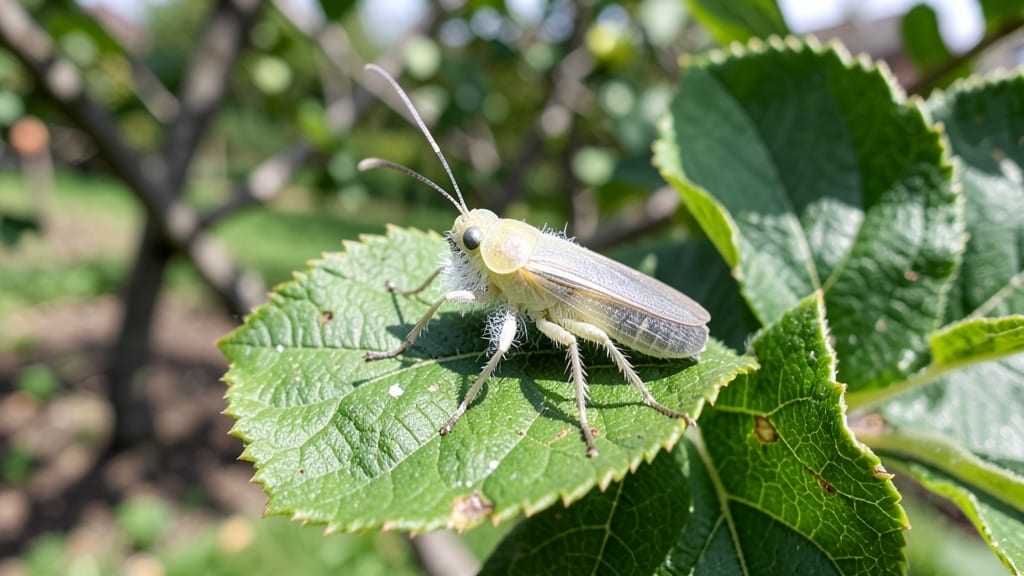
Seeing tiny insects on apple tree leaves munching away at your foliage? 🌿 Those aphids, mites, and caterpillars can turn lush leaves into skeleton leaves if you don’t act fast.
I’ve battled these pests for years, and I’ve found natural remedies that stop the damage in just a few days—no harsh chemicals needed.
First, identify the culprit: aphids cluster on new growth, mites create fine webbing, and caterpillars leave jagged holes. The key is acting early—when you spot the first signs of chewed leaves or sticky residue (aphid honeydew), that’s your cue to intervene before the infestation spreads.
With the right spray—like neem oil, insecticidal soap, or a homemade garlic-chili mix—you’ll see results within 3-5 days. The trees stay healthy, the fruit remains intact, and you avoid the frustration of watching your harvest disappear before it ripens.
This works for both young trees and mature ones, and the methods adapt to any season. Let’s get your apple tree back to thriving in no time!
Root Causes of Leaf Invaders
When you spot insects on your apple tree leaves, it’s rarely just a random bad-luck scenario. These tiny troublemakers are usually drawn to your tree for specific reasons—whether it’s a feast buffet, a cozy hideout, or a sign of stress.
Understanding why they’re there is the first step to kicking them out for good. Let’s break down the science behind their uninvited visits.
Apple tree leaves are like all-you-can-eat salads for insects. High nitrogen content (thanks to healthy soil or over-fertilization) makes leaves soft, tender, and packed with the proteins insects crave. Common leaf-munchers like aphids, mites, and leafhoppers target trees that are overfed or growing in nutrient-dense soil.
Why it happens:
- Excess nitrogen triggers rapid leaf growth, making them more attractive to sap-sucking insects.
- Young, tender leaves (especially in spring) are prime targets because they’re easier to penetrate.
- Weakened trees (due to poor soil or drought) may overcompensate by producing nutrient-dense leaves, signaling insects that “easy prey” is nearby.
💡 Pro Tip: Test your soil before fertilizing—too much nitrogen is a one-way ticket to pest city. Aim for a balanced NPK ratio (e.g., 10-10-10) and avoid synthetic fertilizers during peak growing seasons.
Stressed trees are like neon signs for insects. Drought, root damage, or disease weakens a tree’s defenses, making it easier for pests to move in. For example:
- Drought stress reduces sap flow, forcing insects like scale or spider mites to work harder—and they’ll cluster where the tree is most vulnerable.
- Fungal infections (e.g., apple scab) create wounds that attract wood-boring beetles or leaf-rolling caterpillars.
- Competition for resources (e.g., grass or weeds stealing nutrients) forces the tree to divert energy, leaving leaves less protected.
Why it happens:
Insects like Cydia pomonella (codling moth larvae) or Lyonetia clerkella (apple leafroller) target trees with compromised immune systems. Their saliva or eggs contain chemicals that suppress the tree’s natural defenses, making it easier to colonize.
🌡️ Quick Fix: Monitor your tree’s moisture levels—deep watering (1–2 inches per week) reduces stress. Mulch with wood chips or straw to retain moisture and block weeds.
Some insects don’t just eat leaves—they use them as homes, nurseries, or protection. For instance:
- Leaf rollers fold leaves into cozy tents to hide from predators and lay eggs.
- Sawfly larvae chew leaves into skeletonized shapes while staying out of sight.
- Ants “farm” aphids on leaves, protecting them in exchange for honeydew (aphid poop).
Why it happens:
Leaves provide physical barriers (e.g., thick veins or hairs) and microclimates (humid undersides) that shield insects from birds, ladybugs, or harsh weather. Evergreen trees or dense foliage offer year-round shelter, which is why pests like Psylla (jumping plant lice) thrive in apple orchards.
🔥 Prevention Hack: Prune to improve airflow—tight clusters of leaves create pest-friendly hideouts. Remove last year’s mummified fruit (where insects overwinter) in late winter.
Timing matters. Insects like the apple maggot fly or woolly apple aphid emerge during specific weather patterns:
- Warm, humid springs accelerate aphid and mite reproduction.
- Dry summers attract bark beetles that bore into stressed trees.
- Late-season rains can wash away natural predators (like lacewings), leaving leaves vulnerable.
Why it happens:
Many pests are cold-blooded—their activity spikes when temperatures hit 50–80°F. For example, Tortrix moths time their egg-laying to hatch when leaves are fresh. Monarch butterflies (yes, even they!) lay eggs on apple trees in early summer, and their caterpillars will devour your foliage.
⏰ Seasonal Watch: Set up sticky traps in early spring to monitor adult fly populations. If you see more than 3–5 insects per trap per week, it’s time to act.
Sometimes, we accidentally roll out the welcome mat. Common culprits:
- Overwatering creates soggy soil, attracting fungus gnats and root maggots.
- Ignoring pruning leads to dense canopies where pests thrive unseen.
- Using broad-spectrum pesticides kills beneficial insects (like ladybugs), leaving leaves defenseless.
- Planting near wild apple trees introduces new pest strains your tree isn’t adapted to.
Why it happens:
Pests exploit disruptions in ecosystems. For example, Spotted Lanternfly (an invasive species) hitchhikes on firewood or nursery plants, then feasts on sap—weakening trees enough for secondary pests to move in.
🎯 Long-Term Solution: Diversify your garden with pest-repelling plants like chives, garlic, or marigolds. These confuse insects and attract their natural predators.
Quick Fixes for Leaf-Chewing Invaders
Discovering insects munching away on your apple tree’s leaves can feel like a losing battle—but it doesn’t have to be! The good news is that most common pests can be managed with simple, natural solutions.
Below, we’ll map out the best fixes for each type of leaf-eater, along with proactive steps to keep your tree thriving. Think of this as your pest-control playbook, tailored to your apple tree’s needs.
If you spot small, sap-sucking aphids clustering on the undersides of leaves, act fast—they weaken trees and spread viruses.
🔥 Immediate Fixes
- Blast them off 💦: Use a strong stream of water from your hose to dislodge aphids from leaves and stems. Repeat every 2–3 days until they’re gone.
- Neem oil spray 🌿: Mix 1 tbsp neem oil + 1 tsp mild soap in 1 quart of water. Spray leaves thoroughly (especially undersides) in the early morning or evening. Reapply every 5–7 days.
- Ladybugs to the rescue 🐞: Release beneficial ladybugs or lacewings—they love aphids! Buy them online or from garden centers.
💡 Prevention Tips
- Encourage natural predators: Plant marigolds, dill, or fennel nearby to attract aphid-eating insects.
- Prune regularly: Remove heavily infested leaves or branches to reduce breeding spots.
- Avoid over-fertilizing: Too much nitrogen attracts aphids—stick to a balanced fertilizer.
These fuzzy caterpillars spin weblike nests and devour leaves overnight. If left unchecked, they can strip a tree bare in weeks!
🍳 Step-by-Step Removal
- Tear nests by hand 🧤: Wear gloves and carefully pull apart nests (they’re fragile!). Drop caterpillars into soapy water to kill them instantly.
- Bacillus thuringiensis (Bt) 🔬: Spritz leaves with Bt—a natural bacteria that targets caterpillars but is safe for bees and birds. Reapply after rain.
- Prune and burn 🔥: Cut off heavily infested branches and dispose of them in a sealed bag (don’t compost!).
🌡️ Long-Term Control
- Disrupt their life cycle: Remove nests in late winter/early spring before eggs hatch.
- Install pheromone traps: These confuse male moths and reduce mating success.
- Plant trap crops: Grow viburnum or cherry trees nearby to lure caterpillars away from your apple tree.
These pests roll or fold leaves to hide inside, leaving behind chewed edges and webbing. They’re sneaky but beatable!
👨🍳 Manual + Chemical-Free Tactics
- Unroll and inspect 🕵️: Gently pry open curled leaves to spot larvae. Drop them into soapy water or crush them (wear gloves!).
- Diatomaceous earth (DE) ⚡: Sprinkle food-grade DE around the tree’s base and on leaves. It dehydrates insects but is harmless to plants.
- Kaolin clay spray 🎨: Mix 2 tbsp kaolin clay with 1 gallon of water. The clay coats leaves, making them less appealing to leafrollers.
🎯 Proactive Measures
- Thin the canopy: Overgrown trees attract more pests—prune to improve airflow and sunlight.
- Use reflective mulch: Aluminum mulch around the base confuses larvae and deters them from settling.
- Introduce parasitic wasps: These tiny allies lay eggs inside leafroller larvae, killing them naturally.
These shiny, copper-green beetles chew leaves into lace-like patterns. They’re aggressive and multiply fast!
🔪 Rapid-Response Strategies
- Handpick and drown 💀: Drop beetles into a bucket of soapy water during early morning when they’re sluggish.
- Neem oil or pyrethrin spray 🌿: Apply in the evening to avoid harming bees. Reapply every 3–4 days.
- Milky spore treatment 🦠: Spread milky spore powder in the soil—it targets Japanese beetle grubs before they emerge.
✨ Prevention for Next Season
- Traps (use with caution!) 🪲: Place traps far from your apple tree—they can attract more beetles.
- Plant repellent herbs: Rosemary, garlic, and catnip deter beetles with their strong scents.
- Encourage ground predators: Birds, toads, and moles help control beetle populations naturally.
Most insect infestations can be resolved in days to weeks with consistent action. The key? Act early, combine methods, and prioritize prevention. Your apple tree will thank you with healthier leaves—and better fruit—next season! 🍏🌱
Frequently asked questions
How do I tell if small black dots on apple leaves are insects or just dirt?
Check for movement first—if the dots scurry away when you shake the branch, they’re likely aphids or mite eggs. Use a magnifying glass to look for tiny bodies or webbing. Dirt usually stays put and won’t have the sticky residue (aphid honeydew) that attracts ants.
Can I use dish soap to kill insects on apple tree leaves?
Yes, but only mild, unscented dish soap (like Castile) mixed with water (1 tsp per quart). Spray directly on pests in the evening to avoid harming bees. Reapply every 3–5 days, but avoid overuse—soap can damage leaves over time. Test on one branch first.
Why do some leaves turn yellow after I spray for insects?
Yellowing often happens when sprays like neem oil or insecticidal soap dry too quickly in hot sun. Always apply in the early morning or evening and keep leaves damp. If damage occurs, dilute your mixture (use half the soap/oil) and avoid spraying on dry or stressed leaves.
Are there any insects that actually help my apple tree?
Ladybugs, lacewings, and parasitic wasps are natural pest controllers. You can buy them online or attract them by planting dill, fennel, or marigolds nearby. Even birds and praying mantises help—just avoid pesticides that kill these allies.
How often should I check my apple tree for new pests?
Inspect leaves every 7–10 days during growing season (spring to fall). Focus on new growth and undersides where pests hide. After heavy rains or when you notice chewed edges, check immediately. Early detection means faster, easier fixes!