
Pruning
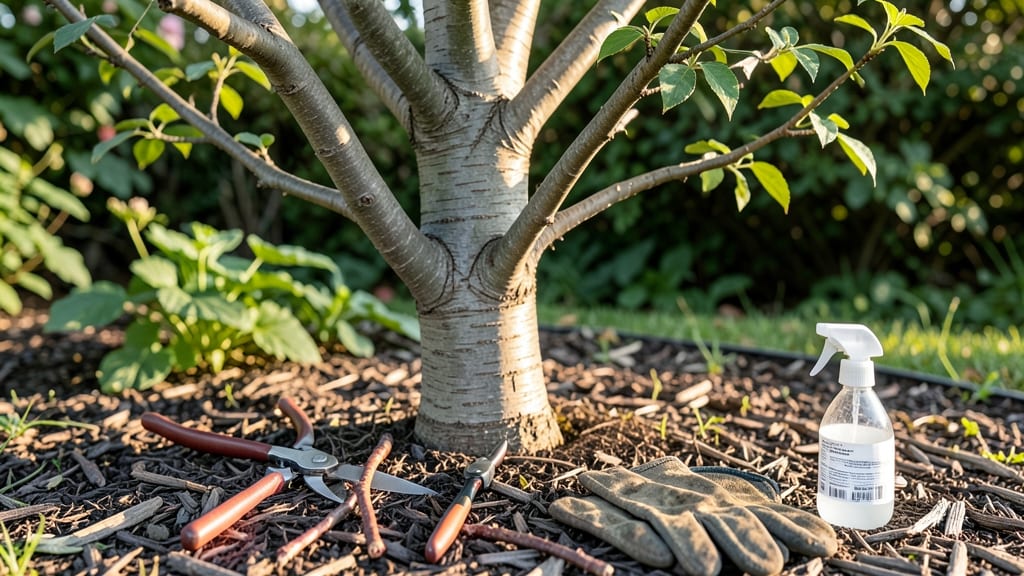
Watch this how to prune a dogwood tree video to transform your tangled mess into a showstopping centerpiece—and I’ve made every mistake possible learning this. ✂️ The key isn’t just cutting branches; it’s shaping the tree’s future while keeping it healthy, blooming, and disease-free.
One wrong cut can set you back years, but master this, and your dogwood will reward you with vibrant spring blooms and lush summer foliage for decades.
Timing matters most: late winter or early spring, just as buds swell but before new growth starts. You’ll need sharp pruners, loppers for thicker branches, and a clean workspace to avoid spreading disease. The goal?
Remove dead wood, thin crowded branches, and open the canopy for sunlight—never cut more than 25% of the tree in one session. Dogwoods bloom on old wood, so prune after flowering to preserve next year’s blossoms.
Watch for these game-changers: cut at a 45-degree angle just outside the branch collar (that swollen area where the branch meets the trunk), and always sterilize tools between cuts with rubbing alcohol. After pruning, water deeply and apply a balanced fertilizer to help the tree recover.
The result? A tree that looks like it was sculpted by a pro, with fewer pests and stronger structure.
This method works for all dogwood varieties—flowering, kousa, or even the rare variegated types. Whether you’re refreshing an overgrown specimen or maintaining a young tree, these steps keep your dogwood thriving. Let’s get those branches looking intentional!
📚 In This Guide
- What you need
- Instructions
- Tips and common mistakes
- Wrapping up and next steps
What you need
- ● Bypass Pruners: Sharp, high-quality pruners (4–6 inches) for clean cuts on small branches (¼ inch to ¾ inch thick). Pro tip: Test sharpness by slicing a small twig—if it crushes instead of cuts, sharpen or replace!
- ● Loppers: For medium branches (¾ inch to 2 inches thick). Look for bypass loppers with a 10–12 inch blade for precision.
- ● Pruning Saw: A curved-tooth pruning saw for thick branches (2+ inches). Avoid cheap saws—they can tear bark.
- ○ Hand Saw or Pole Saw: For branches too high to reach (optional but handy for tall dogwoods). A foldable pole saw with a 16–20 inch blade works well.
- ● Disinfectant (70% Isopropyl Alcohol or Bleach Solution): Spray or wipe tools between cuts to prevent disease spread (1 part bleach to 9 parts water).
- ● Rubbing Alcohol or Hand Sanitizer: For cleaning hands after handling sap or diseased wood.
- ● Gloves: Heavy-duty gardening gloves (nitrile-coated for grip and protection). Avoid thin fabric—dogwood sap can irritate skin!
- ● Safety Glasses: Protect your eyes from debris, especially when using a saw.
- ● Ladder (or Sturdy Stump): For reaching higher branches. Use a stable, extendable ladder (rated for your weight) or a step stool for shorter trees.
- ○ Tarp or Drop Cloth: Lay beneath the tree to catch fallen branches and debris (optional but saves cleanup time!).
- ● Pruning Sealant: A tree wound dressing (like Tanglefoot or a latex-based product) to coat large cuts (over ½ inch). Note: Skip this for small cuts—dogwoods heal well on their own!
- ● Marking Twine or Spray Paint: To mark branches for removal before cutting (great for complex pruning plans).
- ● Work Boots or Closed-Toe Shoes: Protect your feet from dropped branches or sharp tools.
- ● First Aid Kit: Just in case—dogwood thorns and tools can lead to minor injuries!
- ● Timing: Prune dogwoods after flowering (late spring to early summer) to avoid removing next year’s blooms. Exception: Light structural pruning can be done in late winter.
- ● Weather: Choose a dry, overcast day to minimize stress on the tree. Avoid pruning in extreme heat or cold.
- ● Health Check: Inspect the tree for diseases (like anthracnose) or pests before pruning. Remove infected branches last and disinfect tools.
- ● Plan Ahead: Sketch a rough plan of cuts or watch a dogwood pruning video (like ours!) to visualize the final shape.
Step-by-Step guide to pruning a dogwood tree for healthy growth
Pruning dogwoods transforms their shape and keeps them thriving—here’s how I do it right.
✂️ Step 1: Choose the Right Time for Pruning
Dogwoods bloom on old wood, so the best time to prune is right after flowering in late spring or early summer. This ensures you don’t remove next year’s flower buds. If you must prune in winter, wait until late winter or early spring, but avoid heavy cuts—dogwoods are prone to borers, and fresh cuts attract pests.
Look for new leaves after flowering as your cue. This signals the tree has finished blooming and is ready for shaping. Avoid pruning in fall, as it leaves wounds vulnerable to winter damage and disease.
✂️ Step 2: Gather the Right Tools and Sanitize
Use sharp, clean pruning shears for small branches and loppers for thicker stems up to 1.5 inches in diameter. For anything larger, a pruning saw is essential. Before you start, sanitize your tools with 70% rubbing alcohol or a 10% bleach solution to prevent spreading disease between cuts.
I always wipe down tools after each cut, especially if the tree shows signs of disease like blackened bark or oozing sap. Dogwoods are susceptible to anthracnose, a fungal disease that thrives on fresh wounds, so cleanliness is non-negotiable.
✂️ Step 3: Remove Dead, Diseased, or Damaged Branches First
Start by identifying dead wood—branches that are brittle, lack leaves, or have no green tissue when cut. These should be removed entirely at the branch collar, the swollen area where the branch meets the trunk. Cut just outside the collar at a 45-degree angle to prevent water from pooling and rotting the wound.
Next, look for branches with diseased spots, cracks, or peeling bark. These weaken the tree and spread problems. Bag and dispose of infected branches immediately—don’t compost them. Healthy dogwoods have smooth, gray bark with no signs of decay.
✂️ Step 4: Thin Out Crowded or Rubbing Branches
Dogwoods develop a natural, graceful shape, but over time, branches can grow too close together, competing for sunlight and air circulation. Remove crossing branches where two stems rub against each other—this creates wounds that invite disease. Always cut the smaller of the two branches to maintain the tree’s balance.
Also, look for water sprouts—fast-growing, upright shoots that emerge from the trunk or branches. These steal energy from the tree. Prune them back to a lateral branch or bud, cutting at a slight angle just above it. You’ll see new growth fill in naturally within a few weeks.
✂️ Step 5: Shape the Tree for Balance and Airflow
Step back and visualize the tree’s natural form. Dogwoods thrive with an open center, so avoid heavy topping or shearing, which encourages weak, dense growth. Instead, focus on selective pruning to open up the canopy. Remove branches that grow inward or downward, cutting them back to a strong outward-facing bud.
For larger branches, use the three-cut method to avoid tearing the bark: First, make an undercut about 1-2 feet from the trunk, then a top cut just outside the branch collar, and finally, remove the branch by twisting it gently. Seal larger wounds with pruning sealant if they’re over 1.5 inches in diameter to reduce moisture loss.
🌿 Step 6: Clean Up and Monitor for Recovery
After pruning, rake up and dispose of all clippings, especially if the tree had diseased branches. Leave the area around the tree free of debris to discourage pests. Water the tree deeply after pruning to help it recover, especially if you’ve made significant cuts.
Watch the tree over the next few weeks for signs of stress, like wilting leaves or unusual sap flow. If you see new shoots emerging from old cuts, it’s a good sign—the tree is healing. Avoid pruning again for at least 6-12 months unless necessary, as repeated cuts stress the tree.
Tips & tricks for pruning dogwood trees like a pro
These insider tricks will help you prune your dogwood with confidence and precision—preventing common mistakes that can stress your tree.
Timing is Everything: In Step 1, when you're waiting for new leaves after flowering, take a closer look at the buds. Healthy flower buds are plump and reddish-brown, while dormant buds are smaller and darker. If you're unsure whether your tree has finished blooming, gently shake a branch—if no petals fall, it's safe to prune. This visual check prevents accidentally removing next year's blossoms.
Tool Mastery: For Step 2's sanitization, I've found that a 10% bleach solution works best when mixed with water in a 1:9 ratio. Soak tools for 5 minutes, then rinse thoroughly. Pro tip: Keep a small spray bottle of this solution in your gardening toolbox for quick clean-ups between cuts. This prevents cross-contamination between healthy and diseased branches, which is especially critical for dogwoods prone to anthracnose.
Precision Cutting Technique: When using the three-cut method in Step 5, make your undercut slightly deeper than the branch's thickness to create a clean break. This prevents bark tearing when you make the final cut. For branches over 1.5 inches, I recommend using a pruning saw with a fine-tooth blade designed for clean cuts. The cleanliness of your cuts directly impacts how quickly the tree heals and resists disease.
Recovery Monitoring: After completing Step 6, mark your calendar for 6-12 months from your pruning date. This gives you a clear visual reminder not to prune again during that recovery window. Watch for new growth emerging from the branch collars—this indicates successful healing. If you notice excessive sap flow or blackened areas at the cuts, apply a thin layer of pruning sealant to protect against moisture loss and pests.
Pro Tips for Prune A Dogwood Tree Video
- These insider tricks will help you prune your dogwood with confidence and precision—preventing common mistakes that c...
- Timing is Everything: In Step 1, when you're waiting for new leaves after flowering, take a closer look at the buds. ...
- Tool Mastery: For Step 2's sanitization, I've found that a 10% bleach solution works best when mixed with water in a ...
Frequently asked questions
Got questions about pruning your dogwood tree? You’re not alone!
Here are answers to the most common concerns—from timing to tools—to help you prune like a pro.
When is the best time to prune a dogwood tree?
Prune dogwoods late winter or early spring (just before buds swell) to avoid spreading fungal diseases. Avoid pruning in fall, as wounds heal slowly and pests thrive. For light shaping, summer pruning is fine—but keep it minimal to reduce stress.
Can I prune a dogwood tree in summer?
Yes, but only for minor adjustments like removing dead branches or thinning out dense growth. Heavy summer pruning can stress the tree, making it vulnerable to borers or disease. If you must prune heavily, do it in late summer (after flowering) to balance risk.
What if I see oozing sap or weird growth after pruning?
Sap oozing is normal for a few weeks—just let it dry. But if you spot black, tar-like ooze or mushroom-like growths, your tree may have dogwood anthracnose or borers. Clean tools with 70% isopropyl alcohol and avoid pruning during wet weather to prevent spread.
Do I need special tools for dogwood pruning?
Not necessarily! A sharp bypass pruner (for small branches) and loppers (for thicker limbs) work best. For large branches, use a pruning saw—but never use hedge trimmers, as they tear bark. Sterilize tools between cuts to avoid disease.
Will pruning hurt my dogwood’s flowers?
Pruning correctly won’t harm blooms—dogwoods flower on old wood, so focus on removing dead, crossing, or overcrowded branches. Avoid cutting back more than 1/3 of the canopy in one year. For best results, prune after flowering if you’re doing heavy shaping.
Wrapping up and next steps
Pruning your dogwood tree doesn’t have to be intimidating—with the right tools, timing, and techniques, you’ll keep it healthy, beautiful, and thriving for years! 🌿 Remember to prioritize safety, remove dead branches, and shape with care to encourage vibrant blooms and lush foliage.
Now that you’re armed with these steps, why not grab your pruners and get started?
For extra confidence, watch our step-by-step video guide or bookmark this article for quick reference. Happy pruning—your dogwood will thank you! ✨