
How To
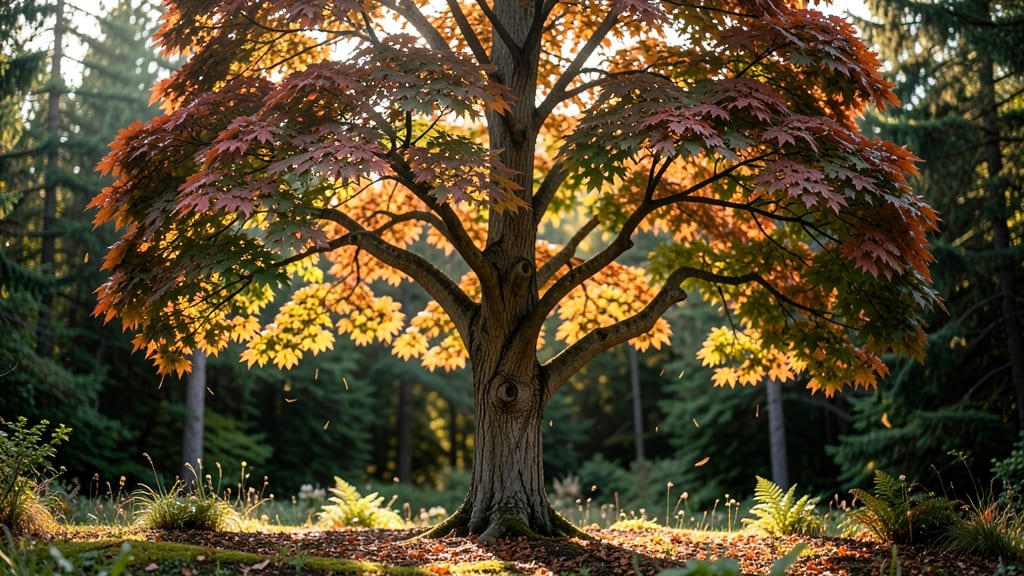
A maple tree grows to how tall does a maple tree grow heights that can dwarf even the tallest buildings—some varieties stretch over 120 feet while others stay cozy at just 15 feet.
If you're imagining a backyard giant, you might be surprised by how quickly those branches reach for the sky.
Picture this: a sugar maple, the kind that paints your fall with fiery reds, can grow 6 to 8 feet per year in ideal conditions. That’s a 3-story tree in just a decade! But don’t worry—there are compact options too, perfect for urban yards or small gardens.
The secret to controlling height lies in the species, soil, and a little pruning know-how. Sunlight, water, and even your local climate play a role in whether your maple becomes a towering shade provider or a manageable patio feature.
Below, I break down the fastest-growing species, how to keep them in check, and the best dwarf varieties for tight spaces. Ready to plan your perfect maple?


Maple tree height by species: fastest-growing giants vs. compact varieties
Choosing a maple tree for your landscape means balancing dreamy autumn colors with realistic space constraints. Some varieties stretch toward the sky at 3 feet per year, while others stay perfectly proportioned for suburban yards.
Let’s break down the tallest maple trees and their compact cousins so you can pick the perfect fit.
The sugar maple (Acer saccharum) is a classic with mature heights of 60-80 feet, but its growth rate is steady—expect 1-2 feet per year.
Meanwhile, the silver maple (Acer saccharinum) is the fastest-growing maple, shooting up 3-5 feet annually and topping out at 70-100 feet in ideal conditions. For city dwellers, dwarf varieties like 'Autumn Fantasy' stay under 15-20 feet.
The red maple (Acer rubrum) is a versatile middle-ground option, reaching 40-60 feet with bright red fall foliage. It’s adaptable to urban pollution and thrives in USDA zones 3-8, making it a top pick for northern climates.
For ornamental appeal, Japanese maples (Acer palmatum) offer lacy foliage and stay compact at 15-30 feet, perfect for garden accents.
If you’re planting in a small urban yard, look for dwarf cultivars like 'Autumn Blaze Compact' or 'Red Sunset'. These stay under 20 feet while delivering vibrant fall colors. Just ensure they get full sun exposure—even compact maples need 6+ hours daily to reach their full potential.
Climate plays a huge role in maple tree height. In southern zones (9+), silver maples can grow 20% taller due to longer growing seasons, while northern varieties like sugar maples may grow slower in zone 4.
Always check your local frost dates to match species with your region.
For fastest growth, prioritize well-draining soil and regular watering during the first 2-3 years. A silver maple in a moist, sunny spot can add 10 feet in just 3 years! Just be prepared for aggressive root systems—these giants need space to spread.
On the flip side, Japanese maples thrive in partial shade and acidic soil, making them ideal for woodland gardens. Their slow growth (just 6-12 inches per year) lets you shape them into bonsai-style trees over decades. Prune in late winter to encourage dense branching.
Before planting, measure your space and check local height restrictions. Some neighborhoods limit trees to 30 feet near property lines. If you love maples but lack space, consider container-growing dwarf varieties—just use a large pot (20+ gallons) and drainage holes.
🌳
What determines maple tree height? Soil, climate, and care tips
Your maple tree's height isn't just luck—it's a mix of genetics, environmental factors, and your care habits. Soil quality, sunlight exposure, and watering consistency play starring roles in whether your tree becomes a backyard giant or stays compact.
Even the climate zone where you live can push a tree to grow faster or hold it back.
Let's break down the key players that control your maple tree's vertical growth. Understanding these factors helps you maximize height for shade lovers or keep it manageable in tight spaces. Whether you're dealing with a sugar maple or a Japanese maple, these tips apply to all varieties.
If your maple tree seems stunted, check for root rot (yellowing leaves) or nutrient deficiencies (slow growth, weak branches). Compacted soil or poor drainage can also limit height potential. Amending the soil with compost or sand often gives trees the boost they need.
For height control, prune in late winter before buds swell. Remove suckers and low-hanging branches to redirect energy upward. Topping (cutting the top flat) is tempting but creates weak growth—avoid it unless you're prepared for sprout clusters that require constant maintenance.
Remember, maple trees grow slowly at first but gain 1-3 feet per year once established. Patience pays off—your 20-year-old sugar maple could easily reach 40 feet with proper care. The right conditions turn a modest sapling into a shade-providing giant or a compact patio centerpiece—your choice!