
How To
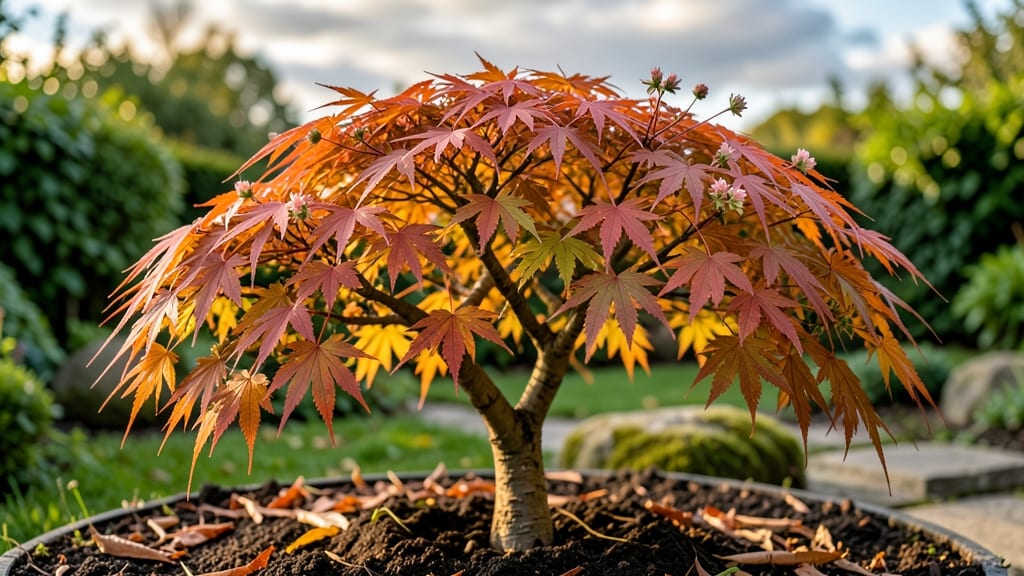
A Japanese Maple Tree can grow how tall does a Japanese maple tree grow anywhere from 6 feet to towering 30 feet—depending on the variety, care, and a little luck with the sun.
Picture this: you’ve just planted a delicate sapling, dreaming of its future as a graceful, sun-dappled centerpiece. But how tall will it really get? The answer isn’t just about the variety—it’s also about soil, sunlight, and whether you’re willing to prune regularly.
Get this right, and your tree could live for decades, becoming the heart of your garden.
Some varieties, like the ‘Bloodgood’, reach 20-25 feet, while dwarfs like ‘Drummondii’ stay under 10 feet. The difference comes down to genetics, growing conditions, and a few key care habits that can either stretch your tree toward the sky or keep it compact and manageable.
In this guide, I’ll break down the height ranges by variety, share the secrets to controlling growth, and help you choose the perfect Japanese Maple Tree for your space—whether you’re dreaming of a towering shade tree or a petite patio star.


Japanese maple tree height ranges by popular varieties: from dwarf to giant
Choosing a Japanese maple tree means deciding between a dwarf variety that fits a small garden or a tall specimen that becomes a backyard focal point. The mature height varies dramatically—from 6 feet to over 25 feet—depending on the cultivar.
Understanding these ranges helps you plan spacing, pruning, and long-term growth expectations for your landscape design.
Japanese maples are prized for their compact growth habits, intricate foliage, and vibrant fall colors. However, their height potential can surprise new gardeners. For example, the 'Bloodgood' variety can reach 20-25 feet tall, while the 'Drummondii' stays a modest 6-10 feet.
Let’s explore how these varieties grow and how to incorporate them into your garden.
🌳
The 'Bloodgood' Japanese maple is one of the most popular tall varieties, reaching 20-25 feet with a upright growth habit.
Its deep red foliage makes it a standout in landscaping designs, but it requires ample space—plant it 15-20 feet from structures or other trees to avoid root competition.
If you love weeping varieties, the 'Emperor I' offers a graceful 15-20 foot height with cascading branches, perfect for adding drama to patios or entryways.
For smaller gardens, dwarf varieties like 'Drummondii' or 'Green Cascade' are ideal. These stay between 6-10 feet tall, making them perfect for container gardening or small yards.
Their bushy or weeping habits add texture without overwhelming your space. Always check the ideal spacing recommendations—planting too close can stunt growth or lead to overcrowding.
When planning your Japanese maple placement, consider not just height but also spread. A weeping variety like 'Black Dragon' may only reach 10-15 feet tall but can spread 10-12 feet wide, so account for that in your design.
Mixing upright and weeping types creates visual interest and balances your garden’s structure.
Pruning plays a key role in managing height. Regular pruning in late winter or early spring encourages fuller growth and can keep a tree slightly shorter than its natural height.
For example, if you’re growing a 'Viridis' but want to limit its height to 15 feet, prune the upper branches annually. Avoid heavy pruning in summer, as this can stress the tree and reduce fall color intensity.
If you’re unsure which variety to choose, consider your garden’s microclimate. Shorter varieties like 'Shishigashira' thrive in partial shade and are great for urban gardens, while taller types like 'Sango-kaku' need more sunlight to reach their full potential.
Always match the tree’s needs to your garden’s conditions for the best results.
🌿
How growing conditions affect Japanese maple tree height: sun, soil, and pruning secrets
Your Japanese maple's final height isn't just genetics—it's a dance between sunlight exposure, soil conditions, and your pruning choices. While some varieties naturally stay compact, others can stretch toward the sky if given the right (or wrong) growing conditions.
Understanding these factors lets you guide growth for the perfect tree shape and size in your garden.
The sunlight spectrum is critical: too much scorching afternoon sun can stunt growth, while partial shade encourages slower, bushier development. My Bloodgood maple thrives with morning sun and afternoon shade, reaching 20-25 feet—but I've seen identical trees in full sun max out at 15 feet with leaf scorch.
The balance makes all the difference.
Growing Conditions vs. Japanese Maple Height
✅ PROS of Ideal Conditions
- Partial shade → Slower, bushier growth (6-12 ft varieties)
- Acidic soil (pH 5.0-6.5) → Optimal nutrient uptake for healthy growth
- Well-draining soil → Prevents root rot, supports taller varieties
- Regular pruning → Controls height, encourages fullness
- Morning sun → Gradual growth without leaf burn
❌ CONS of Poor Conditions
- Full sun exposure → Stunted growth, leaf scorch (height loss)
- Alkaline soil (pH >7.0) → Nutrient deficiencies, slower growth
- Heavy clay soil → Root suffocation, weak structure
- No pruning → Uncontrolled height (20+ ft for standard types)
- Afternoon sun → Heat stress, reduced vigor
Soil pH and drainage play equally important roles. Japanese maples crave acidic soil (pH 5.0-6.5)—if your soil tests higher, amend with peat moss or pine needles to encourage healthy growth. Poor drainage, on the other hand, can halve your tree's potential height by causing root stress.
I once saw a 10-foot 'Shishigashira' in heavy clay soil struggle to reach 4 feet after 5 years.
Pruning isn't just about shaping—it's a growth hack. For height control, prune late winter/early spring before new growth starts. Remove 1/3 of the tallest branches to redirect energy to side branches, creating a fuller, shorter silhouette.
My 'Crimson Queen' (normally 15-20 ft) stays at 10 feet thanks to annual pruning.
Don't forget the seasonal adjustments. Young trees need more frequent watering (every 3-5 days in summer) to support rapid growth, while established trees thrive on deep watering once a week.
Overwatering can actually stunt height by promoting weak, leggy growth—always let the top 2 inches of soil dry between waterings.
With the right conditions, your Japanese maple can become a decades-long investment. Start with the perfect planting spot, monitor soil health annually, and prune strategically. Whether you want a 6-foot bonsai-style tree or a 25-foot shade giant, the power to shape its height is in your hands.