
How To
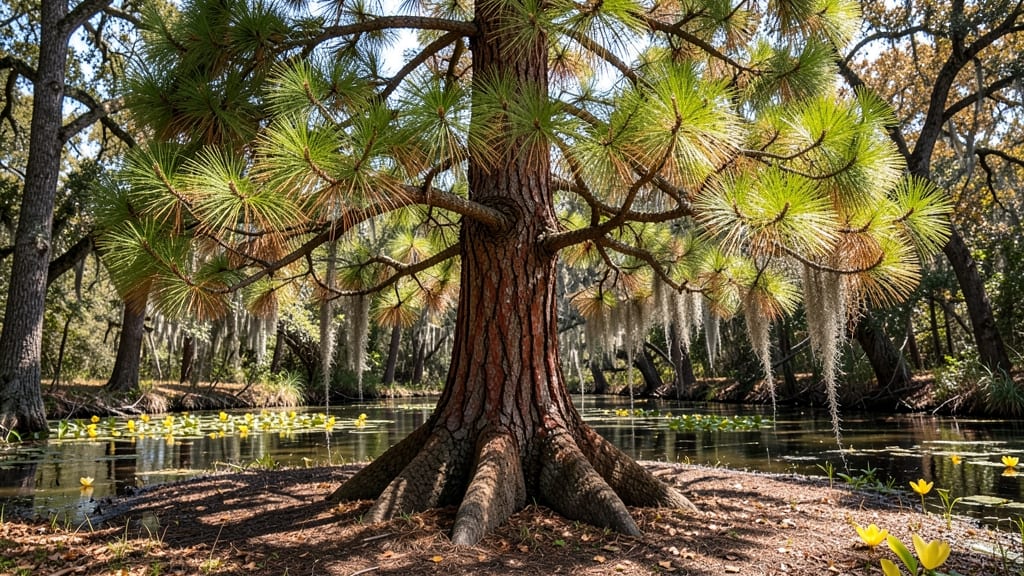
A cypress tree can grow anywhere from 30 to 70 feet tall, depending on the species and growing conditions—so choosing the right one for your space is everything.
If you're dreaming of a majestic cypress tree to anchor your landscape—but aren’t sure whether it’ll dwarf your home or blend seamlessly into the scenery—you’re not alone.
Some varieties, like the Leyland cypress, shoot up to 70 feet in just 10 years, while others, like the dwarf varieties, stay under 15 feet for decades.
Whether you’re planting for privacy, shade, or sheer beauty, the height of your cypress tree will shape your yard’s future. Below, I break down the mature sizes by species, how to pick the right fit for your space, and what to watch for if your tree isn’t growing as expected.
You’ll also discover how to pair cypress trees with other plants, avoid common growth mistakes, and even troubleshoot stunted growth—so you can enjoy a thriving 🌲 that fits your vision perfectly.


Cypress tree height by species: from dwarf varieties to towering giants
Choosing the right cypress tree for your landscape starts with understanding their mature height ranges. Some varieties grow tall enough to rival skyscrapers, while others stay compact enough for small yards.
The species you pick determines whether you’ll need to plant near property lines or create a cozy corner with a mini cypress. Let’s explore the dramatic differences between these evergreen giants and their pint-sized cousins.
Cypress trees belong to the Cupressaceae family, which includes everything from swamp-loving Bald Cypress to coastal Monterey Cypress. Their heights can vary by 50 feet or more depending on the variety, making species selection a critical first step.
Whether you’re aiming for a privacy screen or a container-friendly accent, knowing these dimensions will save you from costly landscaping regrets.
Here’s a quick look at how cypress trees stack up—literally. From the towering Leyland Cypress to the dwarf ‘Nana’ cultivars, each species offers unique benefits for different garden styles. Below, we’ve organized the data to help you visualize which cypress will thrive in your space.
If you’re planning a privacy screen, the Leyland Cypress is a powerhouse, shooting up to 70 feet tall in just a few decades. Its rapid growth makes it ideal for blocking noise or creating instant seclusion.
For smaller spaces, the ‘Nana’ Grant Cypress stays under 10 feet while still offering the classic cypress silhouette—perfect for patios or container gardens.
The Bald Cypress is a standout for wet or boggy areas, reaching 75 feet with its distinctive feathery foliage. Meanwhile, the Italian Cypress is a slender choice for narrow gardens, rarely exceeding 40 feet but
How cypress tree height affects your landscape design
Choosing a cypress tree isn’t just about aesthetics—it’s about understanding how its mature height will shape your outdoor space. A 70-foot Leyland cypress will create a dramatic privacy screen, while a 10-foot dwarf cultivar might simply elevate your patio’s ambiance.
The key lies in matching the tree’s growth potential to your property’s layout and sunlight conditions.
Taller cypress varieties like the Monterey cypress (reaching 40-60 feet) need ample space—not just vertically but horizontally. Their root systems spread aggressively, so planting too close to foundations or sidewalks can lead to costly damage.
Shorter types, such as the Italian cypress (typically 20-30 feet), offer flexibility for smaller yards or container gardening.
Tall Cypress Trees (40-70 ft) vs. Short Cypress Trees (10-20 ft)
Tall Cypress Trees
- Pros: Dramatic privacy screens, year-round structure, wildlife habitat
- Cons: Needs 30+ feet of clearance, aggressive roots, high maintenance
Short Cypress Trees
- Pros: Fits small spaces, low maintenance, great for containers
- Cons: Limited privacy, slower growth, may need pruning
Sunlight needs vary too. Tall cypress trees like the Bald cypress thrive in full sun to partial shade, but their canopy width (often 20-40 feet) means they’ll cast long shadows.
Pair them with sun-loving perennials like black-eyed Susans at their base, while shorter cypress varieties can handle dappled shade from nearby oaks.
For real-world inspiration, consider these pairings: A Leyland cypress hedge (50+ feet) works beautifully alongside evergreen shrubs like boxwood for layered texture. In smaller yards, a 15-foot dwarf Italian cypress pairs well with ornamental grasses or roses to create a Mediterranean vibe without overwhelming the space.
Don’t forget about wind exposure. Tall cypress trees can act as windbreaks, but their flexible branches may need staking in storms. Shorter varieties are more resilient in exposed areas. Always plant with 3-5 feet of clearance from structures to avoid future headaches.
Ultimately, your cypress tree’s height will dictate everything from plant spacing to maintenance routines. Measure twice, plant once—and choose a variety that grows with your vision, not against it! 🌳