
How To
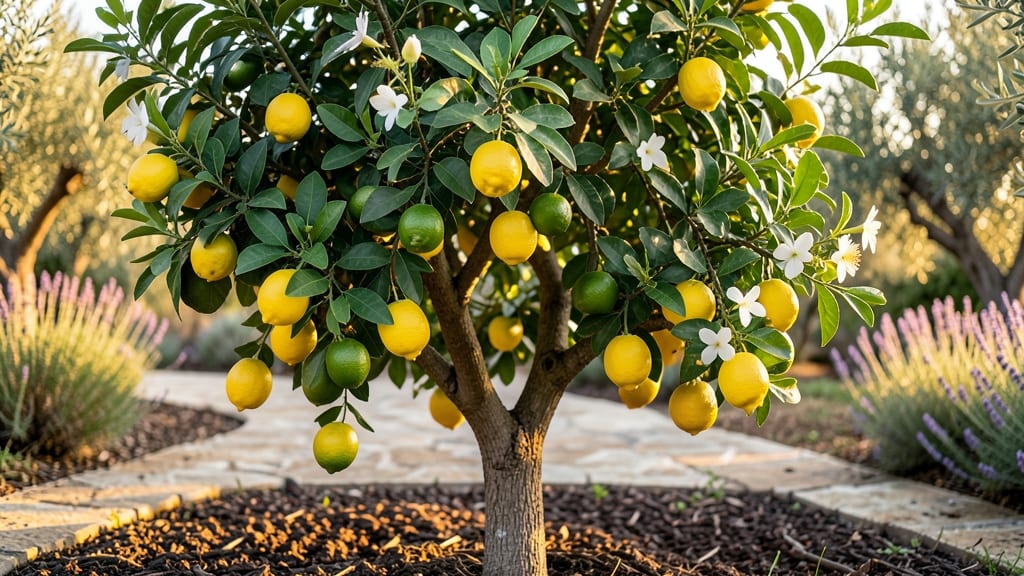
A lemon tree 🍋 can grow anywhere from 8 feet to towering over 20 feet tall, depending on the variety and how you care for it.
Wondering if your backyard is big enough for a lemon tree? The height of a lemon tree can vary dramatically depending on the variety, growing conditions, and pruning habits—some stay compact while others tower like small trees.
Dwarf varieties like the Meyer lemon can fit comfortably on a patio or kitchen counter, while standard types like the Eureka or Lisbon can reach heights that rival a two-story house.
The key to controlling its size lies in understanding your tree’s potential and learning how to shape its growth early on.
In this guide, I’ll break down the height ranges for popular lemon tree varieties, share pruning secrets to keep your tree at your desired height, and reveal the surprising factors—like sunlight, soil, and even your climate—that can make or break your tree’s final size.


Lemon tree height by variety: dwarf to standard sizes explained
Choosing a lemon tree variety is one of the first decisions that determines whether your tree will fit on a patio table or dominate your backyard. The mature height of lemon trees ranges from 3 feet for dwarf varieties to 20 feet for standard types, making variety selection critical.
I’ve grown both dwarf and standard lemon trees, and the difference in space requirements—and maintenance—is staggering.
If you’re dreaming of fresh lemons but worried about space, dwarf varieties like Meyer lemons are perfect for containers, while standard varieties like Eureka thrive in larger landscapes. The key is understanding each variety’s growth potential and how to manage it through pruning and care.
Let’s break down the most popular options so you can pick the perfect fit for your space.
| Variety | Mature Height | Growth Rate | Best For | Notes |
|---|---|---|---|---|
| Meyer Lemon | 8–12 ft (dwarf) | Moderate (1–2 ft/year) | Containers, patios | Cold-hardy, sweet fruit |
| Ponderosa Lemon | 15–20 ft (standard) | Fast (2–3 ft/year) | Landscapes, large yards | Massive fruit, needs space |
| Eureka Lemon | 12–16 ft (semi-dwarf) | Moderate (1–2 ft/year) | Backyards, large containers | Classic lemon flavor |
| Lisbon Lemon | 10–14 ft (semi-dwarf) | Moderate (1–2 ft/year) | Patios, small orchards | Thick skin, long shelf life |
| Improved Meyer Lemon | 6–10 ft (dwarf) | Slow (1 ft/year) | Containers, indoor growing | Cold-resistant, sweet-tart |
If you’re limited to small spaces, dwarf varieties like the Meyer lemon or Improved Meyer are my top recommendations. These stay under 10 feet and thrive in 5-gallon containers, making them ideal for balconies or sunrooms.
I’ve successfully grown a Meyer lemon in a 15-gallon pot on my patio, and it produces lemons year-round with minimal pruning.
For those with larger yards, standard varieties like the Ponderosa lemon or Eureka lemon offer dramatic height and impressive fruit size. The Ponderosa, for example, can reach 20 feet and produces lemons the size of softballs.
However, these need regular pruning to manage their height and keep them from shading out other plants.
One common misconception is that all lemon trees grow tall. In reality, pruning habits can drastically alter a tree’s height. Even standard varieties can be kept under 10 feet with consistent pruning, while dwarf varieties can grow taller if not pruned.
The key is to prune in late winter or early spring before new growth begins.
Another factor to consider is container size. Lemon trees in pots grow more slowly than in-ground trees, but their height is still influenced by variety.
A Meyer lemon in a 5-gallon pot might stay under 6 feet, while the same variety in a 25-gallon container could reach 10 feet. Always choose a container with drainage holes and upgrade its size by 2–3 gallons every few years to accommodate root growth.
If you’re growing lemons indoors near a south-facing window, expect slower growth and potentially shorter mature heights. My indoor Meyer lemon, for example, tops out at 5 feet after 5 years, while an identical outdoor tree reached 8 feet in the same time.
Supplemental grow lights can help, but they won’t fully replicate outdoor sunlight conditions.
For those in <
How to control lemon tree height: pruning tips for compact growth
If you’ve ever dreamed of growing a lemon tree but worry about it outgrowing your space, pruning is your secret weapon. With the right techniques, you can keep your tree at a manageable 3 feet for a kitchen countertop or let it reach 15 feet for a backyard statement piece.
The key lies in understanding when and how to prune—without harming fruit production or the tree’s health.
Lemon trees grow naturally between 10 to 20 feet tall, but their height is entirely manageable with strategic pruning. Unlike some fruit trees, lemons respond well to pruning year-round (with exceptions in winter), making it easier to shape them to your needs.
Whether you’re trimming for aesthetics, space, or better airflow, the goal is to encourage horizontal growth while controlling vertical expansion.
🌱 Pruning Tip:
Dwarf varieties like Meyer lemons naturally stay under 8 feet, but even standard varieties can be pruned to half their natural height with consistent care. Always prune just above a leaf node or outward-facing branch to encourage bushier growth.
Start pruning when your lemon tree is 1 to 2 years old, focusing on removing suckers (shoots growing from the base or trunk) and overcrowded branches. Use clean, sharp pruners to make cuts at a 45-degree angle, about ¼ inch above a bud.
This encourages new growth in the right direction while minimizing stress on the tree.
For a compact shape, prune the topmost branches first to redirect energy downward. Aim to remove 20-30% of the tree’s height in one session, but never exceed 30% total pruning per year to avoid shocking the tree.
Repeat this process every 3 to 4 months during the growing season (spring through fall) for best results.
Seasonal timing matters too. In spring, prune to shape the tree and remove winter damage. During summer, focus on thinning out dense foliage to improve airflow and reduce disease risk. Avoid heavy pruning in fall or winter, as the tree enters dormancy and can’t recover as quickly.
Pro tip: Pair pruning with regular fertilization to support new growth. Use a balanced 10-10-10 fertilizer every 4-6 weeks during the growing season, and water deeply after pruning to help the tree recover.
With patience and consistency, you’ll have a lemon tree that fits your space—whether it’s a 3-foot tabletop tree or a 12-foot backyard beauty.