
How To
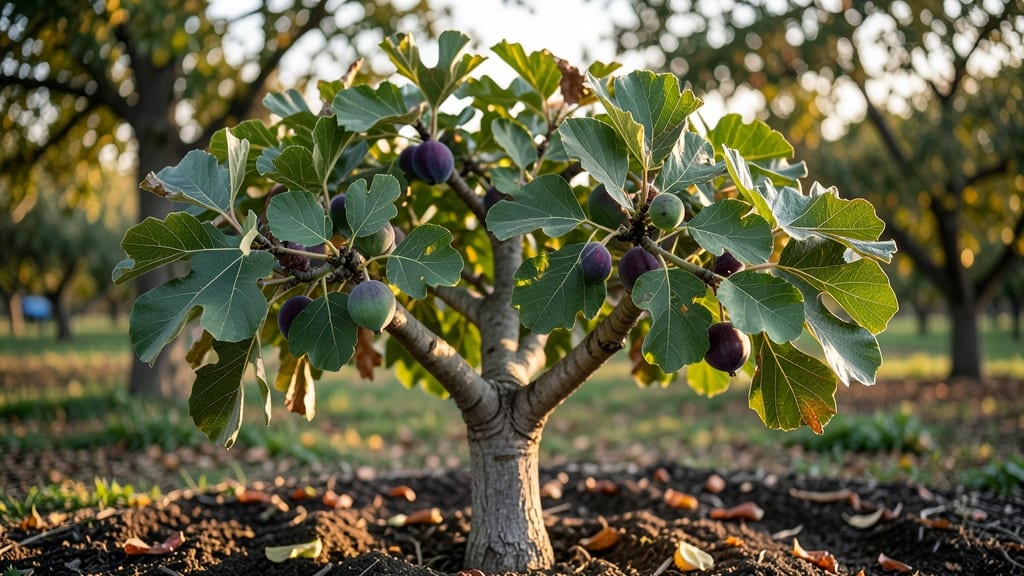
How tall does a fig tree grow? The answer varies widely—from 6 feet to towering over your roof at 30 feet, depending on the variety you choose.
If you're dreaming of a fig tree in your backyard but wondering whether it’ll dwarf your patio or tower over your roof, the answer depends entirely on the variety—and we’ve got the exact heights you need to know.
Dwarf varieties like 'Little Miss Figgy' stay compact, perfect for containers or small gardens, while standard types like 'Brown Turkey' can reach 20 feet or more if left unpruned.
Below, I’ll break down the height ranges by variety, how to control growth with pruning, and the best dwarf options for tight spaces—so you can pick the perfect fit for your yard.


Fig tree height by variety: from dwarf to giant-sized options
Choosing a fig tree often comes down to one big question: how tall does fig tree grow? The answer varies wildly—from compact patio varieties under 10 feet to towering giants that reach 30 feet or more.
Your space and vision will determine which variety fits best, whether you're dreaming of a container-friendly dwarf or a shade-providing giant in your backyard.
Fig trees thrive in USDA Zones 7-10, but their height potential depends entirely on the variety. Some are bred to stay small, while others grow aggressively if left unchecked.
Understanding these differences helps you plan for pruning, container size, or even roof clearance—because yes, some figs can outgrow your home!
If you're working with limited space, varieties like Little Miss Figgy or Desert King stay under 10 feet, making them perfect for containers or small patios. These dwarf fig trees grow slowly and produce sweet fruit without overwhelming your garden.
Just ensure your container has at least 15-gallon capacity and drainage holes to prevent root rot.
For medium-sized yards, the Chicago Hardy or Celeste varieties strike a balance, reaching 10-20 feet at maturity. These are ideal for privacy screens or shade trees near decks. Prune annually to maintain shape and encourage fruit production. A well-draining soil mix with compost will keep them thriving.
When you're after a statement tree, the Brown Turkey or Osborn Prolific varieties will deliver, soaring to 20-30 feet. These giant fig trees need space—plant them 20 feet from structures and prune regularly to manage their size.
Their spreading canopies provide excellent shade but require consistent watering during their first two years.
Regardless of variety, all fig trees benefit from full sun exposure (at least 6-8 hours daily) and well-draining soil. Amend heavy clay with organic matter like compost or sand to prevent waterlogging. Mulch around the base to retain moisture and regulate soil temperature—critical for fruit production.
One common mistake is assuming all fig trees grow the same. Dwarf varieties like Little Miss Figgy can stay small with proper pruning, while standard types like Brown Turkey will reach their full height if unchecked.
Always check the mature height before selecting a variety, and plan for annual pruning to control growth and shape.
For container growing, choose a variety labeled as dwarf or semi-dwarf, and upgrade to a 20-gallon pot as the tree matures. Place containers in south-facing spots to maximize sunlight, and fertilize lightly every 4-6 weeks during the growing season.
Remember, even small fig trees need room to spread—their roots can extend 3-4 feet beyond the canopy.
If you're in a cooler climate (Zones 6-7), opt for cold-hardy varieties like Chicago Hardy, which tolerate brief 20°F dips. Wrap the trunk with burlap
How to control fig tree height: pruning tips for small spaces
Fig trees are beautiful but can quickly outgrow their welcome in small gardens. The good news? With the right pruning techniques, you can keep your fig tree at a manageable height of 6-10 feet for dwarf varieties or even taller for standard types—while still enjoying a bountiful harvest.
The key is timing, technique, and consistency. Let’s break down how to tame your fig tree’s growth without sacrificing its health or productivity.
Pruning isn’t just about cutting branches—it’s about shaping your tree’s growth habit and encouraging strong, fruitful branches. For container-grown figs, you’ll want to prune more aggressively to maintain compactness, while larger varieties benefit from structural pruning to control height over time.
Whether you’re working with a 6-foot dwarf or a 20-foot standard, these steps will help you achieve the perfect height for your space.
Step-by-Step Pruning Guide for Fig Trees
-
Step 1: Choose the Right Time
Prune in late winter or early spring (just before new growth begins). Avoid pruning in fall or winter when the tree is dormant, as this can stress it.
-
Step 2: Identify the Main Trunk
Locate the central leader (main vertical stem). For dwarf varieties, keep this trunk short to limit height. For standard trees, allow it to grow taller but prune side branches to control width.
-
Step 3: Remove Dead or Weak Branches
Cut out any dead, diseased, or crossing branches first. Use clean, sharp pruning shears to make clean cuts just above a leaf node or bud.
-
Step 4: Thin Out Excess Growth
Remove 1/3 of the oldest branches to encourage new growth. Focus on branches growing inward or upward to open up the canopy and improve air circulation.
-
Step 5: Shape for Desired Height
For dwarf varieties, trim the main trunk to 3-4 feet and prune side branches to 2-3 feet. For standard trees, prune the top 1/3 of the tree to control height while maintaining a balanced shape.
-
Step 6: Encourage Bushier Growth
Cut back some of the longest branches by 1/2 their length to stimulate branching. This creates a fuller, more compact tree perfect for small spaces.
-
Step 7: Maintain Year-Round
After the initial prune, do light maintenance trims throughout the growing season to remove any suckers or water sprouts that appear. This keeps your tree tidy and prevents unwanted height growth.
Remember, fig trees are fast growers, so regular pruning is essential to keep them in check. If you’re growing a fig tree in a container, pruning every 4-6 weeks during the growing season will help maintain its size.
For ground-planted trees, an annual late-winter prune combined with seasonal trims will work wonders. Always use sterilized tools to prevent disease spread.
One common mistake is pruning too late in the season, which can delay spring growth and reduce your harvest. Another pitfall is cutting back too aggressively, which can stress the tree.
Stick to the 1/3 rule: never remove more than 1/3 of the tree’s foliage in a single pruning session. With patience and practice, you’ll have a perfectly sized fig tree that fits your space—and your harvest goals!
Pro tip: If you’re growing figs in USDA Zone 7 or colder, prune after the last frost to avoid damaging new growth. And don’t forget to mulch around the base after pruning to retain moisture and protect roots. Happy pruning—your future fig harvest will thank you!