
How To
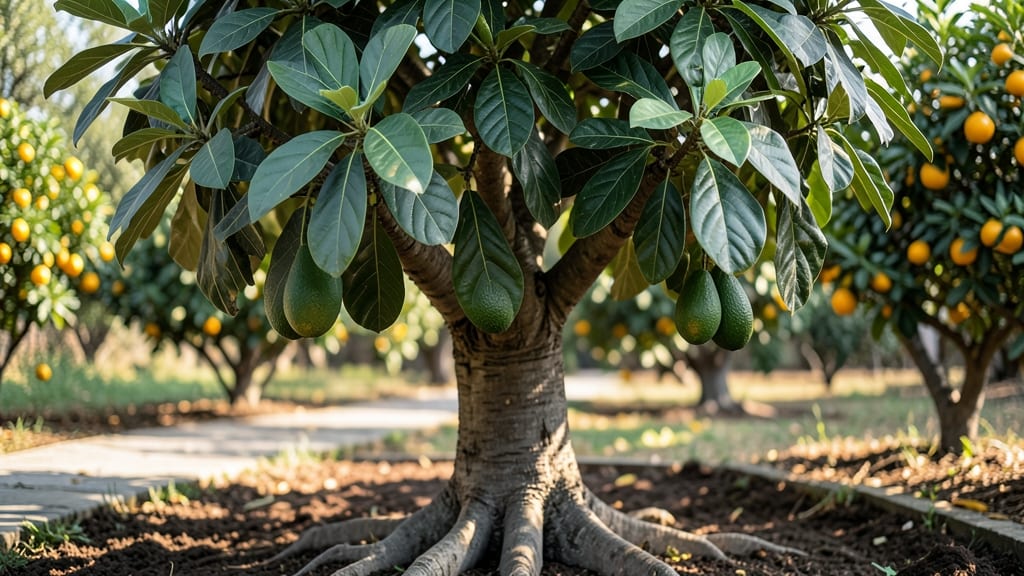
How tall can an avocado tree grow? It can range anywhere from 10 feet to towering heights of 80 feet or more, depending on the variety and growing conditions you provide.
If you’ve ever dreamed of growing your own avocados but worried about space, you’re not alone—these trees can range from compact dwarfs to towering giants. The key to controlling their height lies in choosing the right variety and understanding how care impacts growth.
For example, dwarf varieties like ‘Wurtz’ stay under 15 feet, while standard types can reach three stories tall if left unpruned. With the right techniques, you can keep even a large tree manageable in your garden.
In this guide, I’ll break down how avocado trees grow naturally, how to control their size through pruning and grafting, and common mistakes that make them grow too fast.


Natural height range of avocado trees: from dwarf to giant sizes
Avocado trees (Persea americana) are famous for their dramatic height variations—some stay small enough for containers while others become towering giants. The natural height range spans from 5 feet for dwarf varieties to over 50 feet for standard trees.
Your tree’s ultimate size depends on its genetic variety, growing conditions, and how you care for it.
In ideal conditions, avocado trees grow 2–3 feet per year during their first decade. However, without proper pruning or space restrictions, they can easily reach 40–80 feet in tropical climates. Even in containers, some varieties will outgrow their pots within a few years if not managed carefully.
Climate plays a huge role—trees in USDA Zones 9b–11 (like California or Florida) thrive and grow taller, while those in cooler zones may stay smaller due to slower growth rates. Soil drainage also matters: waterlogged roots stunt growth, while well-draining, slightly acidic soil (pH 6.0–7.0) encourages vigorous height increases.
Here’s a quick breakdown of what to expect based on variety and conditions:
| Variety Type | Mature Height Range | Growth Rate (First 5 Years) | Best For |
|---|---|---|---|
| Dwarf Varieties (e.g., 'Wurtz', 'Mexicola') | 5–15 ft | 1–2 ft/year | Containers, small yards, urban gardens |
| Semi-Dwarf (e.g., 'Hass', 'Fuerte') | 20–30 ft | 2–3 ft/year | Backyards, medium-sized properties |
| Standard (e.g., 'Bacon', 'Lamb Hass') | 40–80+ ft | 3–5 ft/year (young trees) | Large estates, tropical landscapes |
| Wild-Type (ungrafted) | 30–50+ ft | Variable (1–4 ft/year) | Natural forests, uncultivated areas |
Height varies with pruning, sunlight, and soil quality.
The Hass variety, one of the most popular, typically grows 20–30 feet in ideal conditions but can exceed 40 feet if unpruned. Meanwhile, dwarf varieties like 'Wurtz' rarely surpass 12 feet, making them perfect for patios or balconies.
Even these smaller trees can produce fruit, though yields may be lower than standard varieties.
Sunlight is another critical factor—avocado trees need full sun (6+ hours daily) to reach their full height potential. In shadier conditions, growth slows significantly, often resulting in shorter, bushier trees. If you’re growing indoors near a south-facing window, expect slower height gains unless you supplement with grow lights.
Soil fertility also impacts height. Trees planted in nutrient-rich, well-draining soil grow faster and taller than those in poor soil. A balanced fertilizer (6-6-6 NPK) applied every 4–6 weeks during growing season (spring–fall) can boost growth by up to 30%.
Over-fertilizing, however, can lead to excessive leafy growth at the expense of height.
In tropical climates like Hawaii or Southern California, avocado trees grow faster and taller due to year-round warmth. In contrast, trees in cooler subtropical zones (Zone 9a) may only reach 15–25 feet without protection from winter chills.
Even a single frost can stunt growth permanently, so choose cold-hardy varieties like 'Duke 7' if you live in marginal zones.
If you’re wondering whether your avocado tree will ever stop growing, the answer is no—unless you prune it aggressively. Standard varieties continue growing taller for decades, while dwarf types may plateau after 5–10 years.
Regular structural pruning can keep even large trees under control, but it requires consistent effort.
For container growers, height management is key. Even dwarf varieties can outgrow 5-gallon pots within 2–3 years, requiring upgrades to 15–25 gallon containers to support root growth. Always choose containers with drainage holes and use a fast-draining potting mix to prevent root rot, which can halt height growth entirely.
How to control avocado tree height: pruning, varieties, and grafting tips
If your dream of growing avocados feels limited by space, don’t worry—you can absolutely control your tree’s height! The key lies in choosing the right variety, mastering pruning techniques, and understanding grafting methods.
With these strategies, even a standard avocado tree can be transformed into a manageable container plant or small garden feature. Let’s explore how to keep your tree at your ideal height, whether that’s 5 feet or 20 feet tall.
First, let’s address the elephant in the room: avocado trees grow fast. Without intervention, they can reach 40–80 feet in ideal conditions. But with the right approach—like selecting dwarf varieties or strategic pruning—you can maintain a height that fits your space.
The good news? Even if you start with a standard variety, you can still shape it over time. Let’s break down the most effective methods to control your tree’s height.
- 🌿 Dwarf varieties like ‘Wurtz’ max out at 10–15 feet—perfect for containers or small yards.
- ✂️ Prune in late winter to remove 1/3 of new growth and encourage bushier, shorter growth.
- 🌱 Grafting a dwarf rootstock onto a standard tree can reduce height by 50% over time.
- ☀️ Full sun exposure speeds up growth—limit sunlight to 4–6 hours/day to slow height increases.
- 💧 Water deeply but infrequently to avoid rapid, vertical growth spurts.
One of the easiest ways to control height is by selecting the right avocado variety. Dwarf varieties like ‘Wurtz’ or ‘Mexicola’ stay under 15 feet, making them ideal for patios or small gardens. These varieties are grafted onto dwarf rootstock, which naturally limits their size.
If you’re starting from seed, you’ll likely end up with a standard-sized tree, but grafting can still help. I’ve seen home gardeners successfully graft dwarf scions onto seed-grown trees to achieve a more compact form.
When it comes to pruning for height control, timing is everything. The best time to prune is in late winter or early spring, just before new growth begins. Focus on removing vertical shoots and thinning out crowded branches.
Aim to reduce the tree’s height by 1/3 during each pruning session. For example, if your tree is 10 feet tall, cut back the tallest branches by about 3–4 feet. This encourages the tree to grow wider rather than taller.
For those willing to go the extra mile, grafting is a game-changer. By grafting a dwarf variety onto the rootstock of a standard tree, you can effectively “reset” the tree’s growth pattern. This method takes patience—it can take 1–2 years to see noticeable height reductions—but the results are worth it.
I’ve used this technique with my own avocado tree, and within two years, its growth rate slowed significantly. Just ensure you’re grafting onto a healthy, established rootstock for the best results.
Finally, don’t underestimate the power of container growing. If space is extremely limited, a dwarf variety in a large pot can thrive with proper care. Use a container that’s at least 24 inches in diameter and ensure it has drainage holes to prevent root rot.
Place the pot in a sunny spot and prune regularly to maintain the desired height. With containers, you can even move your tree indoors during harsh winters, though avocados prefer warmth and humidity.
With these strategies, you can enjoy homegrown avocados without sacrificing your garden’s layout. Whether you choose a dwarf variety, prune strategically, or graft for better control, your avocado tree’s height is entirely in your hands. Happy growing! 🌳