
How To
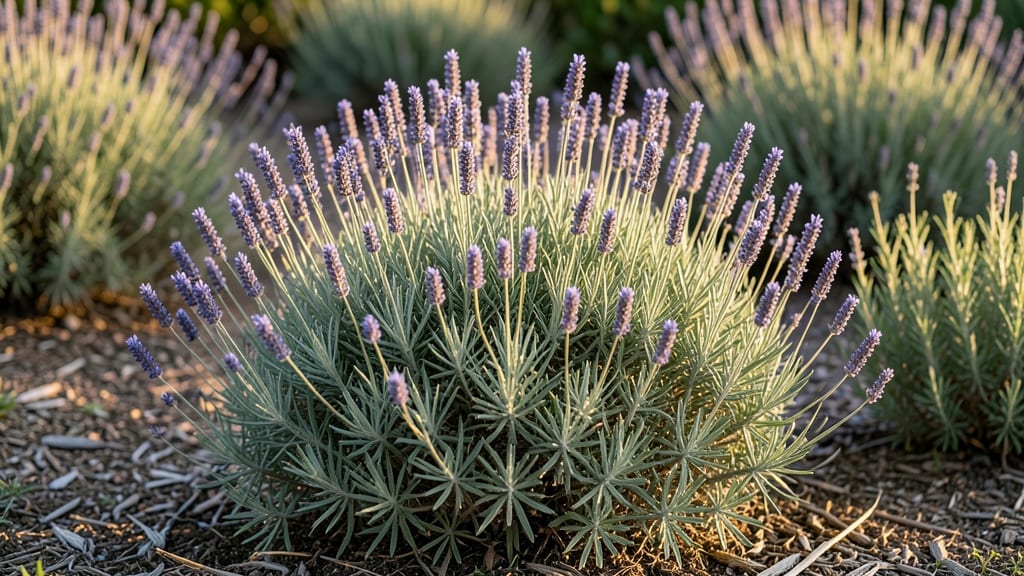
Lavender trees grow between 6 and 10 feet tall at maturity, making them a striking yet manageable addition to any garden 🌿—but their height depends entirely on the variety and how you prune them.
If you’re dreaming of a fragrant lavender tree but worry it might outgrow your space, you’re not alone—many gardeners struggle with controlling its height while preserving its beauty.
The good news? With the right pruning techniques, you can keep your lavender tree at an ideal height without sacrificing its iconic purple blooms.
English lavender, like the popular 'Hidcote Giant,' typically reaches 6 to 8 feet, while French and Spanish varieties can stretch taller, up to 10 feet or more.
Climate, soil drainage, and sunlight also play a role—well-drained soil and full sun encourage stronger growth, but pruning is the real game-changer for managing size.
Below, I’ll break down how to prune for compact growth, the best varieties for smaller spaces, and 5 pro tips to keep your lavender tree lush and contained year after year.


Natural height range of lavender trees: what to expect by variety
Lavender trees—often called lavender shrubs—are prized for their fragrant blooms and silvery foliage, but their mature height varies dramatically by variety. While some stay compact at just 3 feet tall, others can reach 10 feet or more with proper care.
Understanding these differences helps you choose the perfect lavender for your garden layout or container setup.
The Lavandula angustifolia group, known as English lavender, typically stays shorter, while Lavandula x intermedia hybrids (like 'Grosso') grow taller. Spanish lavender (Lavandula stoechas) often remains dwarf-sized, making it ideal for borders.
Your climate zone and soil drainage also play a role—lavender thrives in USDA zones 5-9 but may grow faster in warmer regions.
Here’s how three popular lavender types compare in height at maturity, along with their growth habits:
If you’re growing lavender in containers, expect heights to be 20–30% shorter than their in-ground counterparts. Poor soil drainage or over-fertilizing can stunt growth, while full sun exposure (6+ hours daily) encourages taller, bushier plants.
In cooler climates, lavender may grow slower but live longer, while hot, dry regions can accelerate height growth.
For fast-growing varieties like 'Grosso', plan for regular pruning to manage height. Dwarf varieties like 'Hidcote' rarely need pruning but benefit from light shaping after flowering. Always prune in late spring or early summer to avoid cutting into old wood, which lavender struggles to regrow.
Soil type matters too—lavender hates soggy roots, so amend heavy clay with gravel or sand to improve drainage. In sandy soils, lavender may grow taller but require more frequent watering during droughts. A slightly alkaline soil (pH 6.5–7.5) also supports healthier, taller growth over time.
Pro tip: If you’re planting near a fence or wall, choose a taller variety like 'Grosso' for natural privacy. For small gardens or balconies, stick to dwarf or Spanish lavender to avoid overcrowding. Always space lavender 3–5 feet apart to allow airflow and prevent disease.
Remember, lavender’s height isn’t set in stone—pruning and care can adjust it over time. With the right variety and conditions, you can enjoy a fragrant, manageable lavender tree that fits your space perfectly. 🌿
Step-by-step pruning guide to control lavender tree height
Pruning your lavender tree is the secret to keeping it at your desired height while maintaining its health and fragrance. Unlike many plants, lavender thrives when pruned correctly—just avoid cutting into old wood, which can harm its growth.
The best time to prune is right after flowering, typically in late summer or early fall, when new growth has hardened off but before winter dormancy begins.
Before you start, gather your tools: sharp bypass pruners, sterilized shears, and gardening gloves. Sterilizing your tools with rubbing alcohol prevents the spread of disease, ensuring your lavender stays vibrant.
Always prune on a dry, sunny day to reduce stress on the plant and minimize the risk of fungal infections.
- Step 1: Identify the oldest wood—it’s woody, darker, and lacks green growth. Avoid cutting into these stems, as lavender struggles to regrow from them.
- Step 2: Focus on new growth from the current year. Trim back 1/3 of the current season’s growth to encourage bushier, denser foliage.
- Step 3: Use clean cuts at a 45-degree angle, about 1/4 inch above a leaf node. This promotes faster healing and prevents water from pooling on the cut.
- Step 4: Shape the plant by thinning out crowded branches from the center. This improves airflow and sunlight penetration, reducing the risk of disease.
- Step 5: Remove any dead, diseased, or crossing branches. This keeps the plant healthy and prevents future issues.
- Step 6: For height control, focus on trimming the topmost growth to encourage lateral branching. This creates a fuller, more compact shape.
- Step 7: After pruning, water deeply to help the plant recover. Avoid fertilizing immediately, as new growth is sensitive to nutrients post-pruning.
One common mistake is over-pruning, which can leave your lavender tree looking bare and stressed. Never trim more than 1/3 of the plant’s height in a single session.
If you’re aiming for a dwarf lavender tree (3-5 feet), prune more aggressively in early spring to shape it before the growing season peaks.
For standard lavender trees (6-10 feet), a lighter touch is better. Focus on maintaining an open, airy structure rather than forcing compact growth. If your lavender starts to look leggy, a light topping in early summer can encourage fuller growth before the next flowering cycle.
Remember, lavender is drought-tolerant and prefers well-draining soil. After pruning, avoid overwatering, as soggy conditions can lead to root rot. Mulch lightly around the base to retain moisture while keeping the soil loose and breathable.
With consistent pruning, your lavender tree will stay at your desired height while producing abundant, fragrant blooms year after year. The key is patience—lavender responds best to gradual shaping rather than drastic cuts. Happy pruning! ✂️🌿