
How To
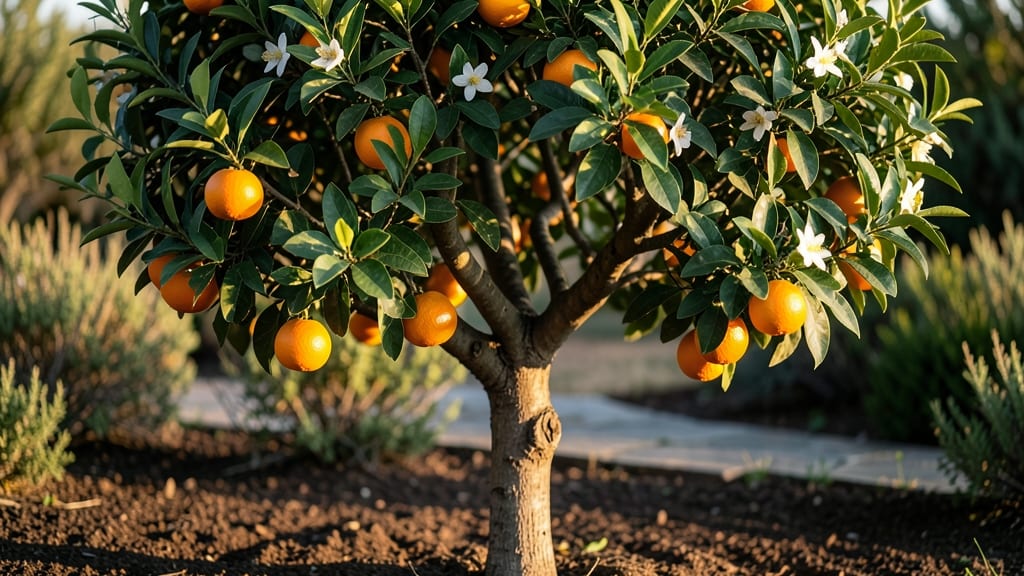
How tall does an orange tree grow? The answer depends on the variety—standard types can reach 20 to 40 feet, while dwarf varieties stay under 12 feet.
Wondering if that dreamy orange tree will fit in your backyard—or require a helicopter to harvest? The height of an orange tree isn’t just about space; it’s about choosing the right variety for your climate, soil, and lifestyle.
Standard orange trees reach their full height in 10 to 15 years, but with proper pruning, you can keep them manageable. Dwarf varieties, however, offer the same sweet rewards in a fraction of the space.
Below, I’ll break down the differences between dwarf, semi-dwarf, and standard orange trees, plus pro tips to control their growth and maximize your harvest.


Orange tree height guide: dwarf vs standard vs semi-dwarf varieties explained
Choosing an orange tree isn’t just about the sweet fruit—it’s about the space commitment. A standard orange tree can tower over your backyard, while dwarf varieties stay manageable. The right choice depends on your garden layout, climate zone, and even your harvesting goals.
Let’s break down the height differences so you can pick the perfect fit for your space.
If you’ve ever dreamed of plucking fresh oranges from your backyard but hesitated because of height concerns, you’re not alone. Orange trees come in three main height categories: dwarf (6-12 ft), semi-dwarf (12-20 ft), and standard (20-30+ ft).
Each offers unique benefits, from urban balconies to rural orchards. Understanding these differences helps you avoid surprises and ensures your tree thrives.
Here’s the key difference: dwarf varieties are bred to stay small, while standard trees grow tall naturally. Semi-dwarf trees bridge the gap, offering a balance between size and yield. Your pruning habits and growing conditions can also influence how tall your tree becomes—even a dwarf variety can stretch if neglected.
Your climate zone plays a huge role in height management. In USDA Zone 9-11, where orange trees thrive, standard varieties can reach their full height. But in cooler zones like Zone 8, even dwarf trees may need winter protection and careful pruning to prevent wind damage.
Always check the cold hardiness of your chosen variety before planting.
Pruning isn’t just about keeping your tree small—it’s about health and productivity. Regular pruning in late winter encourages new growth and prevents disease. For dwarf varieties, a light trim every 6-12 months keeps them compact.
Standard trees need more aggressive pruning to manage their canopy size and improve air circulation.
Did you know? A dwarf orange tree can produce fruit just 2-3 years after planting, while standard trees may take 5-7 years. This makes dwarf varieties ideal for impatient gardeners!
However, their smaller size means fewer oranges per harvest. If you’re growing for commercial purposes, a semi-dwarf might be the sweet spot—balancing size and yield.
For container growing, dwarf varieties like 'Calamondin' or 'Improved Meyer' shine. These stay under 10 feet and thrive in 15-20 gallon pots. Just ensure your container has drainage holes and you’re using well-draining potting mix.
Standard trees, on the other hand, need in-ground planting with 6+ feet of root space.
If you’re unsure which size to choose, start with a semi-dwarf. They offer flexibility—you can prune aggressively for a smaller look or let them grow taller for more fruit. Plus, their rootstock (like 'Swingle citrumelo') improves disease resistance, making them a smart investment for beginners.
Remember: height isn’t set in stone. With proper care, even a standard orange tree can be managed to fit your space. The key is consistent pruning, balanced fertilization, and patience.
Whether you’re growing for ornamental value or fresh fruit, choosing the right height variety sets you up for success.
Best orange tree varieties for small spaces: compact options under 10 feet
If you love the idea of fresh oranges but lack the space for a towering citrus tree, don’t worry—there are perfectly sized orange tree varieties that thrive in small backyards, patios, or even containers.
These dwarf and semi-dwarf options stay under 10 feet tall, making them ideal for urban gardens, balconies, or cozy yards. The key is choosing a variety that fits your climate, flavor preferences, and growing conditions while still delivering a bountiful harvest.
For example, the Calamondin orange is a tiny powerhouse—growing just 6-8 feet tall—but packs a tart, lemony punch perfect for marmalades or cocktails. Meanwhile, the Improved Meyer lemon-orange hybrid reaches 8-10 feet and produces sweet, juicy fruit that’s great for eating fresh.
Both varieties are cold-hardy enough for USDA Zones 8-10, but with the right care, you can even push their limits in cooler areas.
Here’s a quick guide to height, flavor, and cold tolerance for the top 5 compact orange tree varieties, so you can pick the perfect fit for your space:
- 1. Calamondin – 6-8 ft tall, tart-sweet, cold-hardy to 25°F, thrives in containers 🪴
- 2. Improved Meyer – 8-10 ft, sweet like Valencia, tolerates 20°F, great for small yards 🌳
- 3. Pineapple Orange – 8-10 ft, deep orange, tangy-sweet, needs Zone 9+, loves full sun ☀️
- 4. Dwarf Navel – 6-8 ft, seedless, sweet, cold-hardy to 25°F, slow-growing 🌱
- 5. Satsuma (Dwarf) – 8-10 ft, easy-peel, cold-hardy to 15°F, perfect for containers or ground planting 🪴
When choosing a variety, consider the space vs. yield tradeoff. For instance, the Calamondin produces smaller fruit but is extremely compact, while the Improved Meyer yields larger oranges but may need light pruning to stay under 10 feet.
If you’re growing in a container, opt for root-restricted dwarf varieties like the Calamondin or Dwarf Navel, as they adapt well to 5-gallon pots with proper drainage.
For cold climates, the Satsuma or Improved Meyer are your best bets—they can handle brief dips to 15-20°F with winter protection (like wrapping the trunk or moving pots indoors).
In warmer zones (Zone 10+), the Pineapple Orange shines with its vibrant color and bold flavor, but it needs consistent moisture to thrive. Always mulch around the base in winter to insulate roots and water deeply before the first frost.
Pro tip: Prune in late winter to shape your tree and encourage fruit-bearing branches. Remove any suckers (shoots at the base) and crossing branches to improve airflow and sunlight penetration. With the right variety and care, you’ll enjoy homegrown oranges in just 2-3 years—no helicopter required! 🌿