
How To
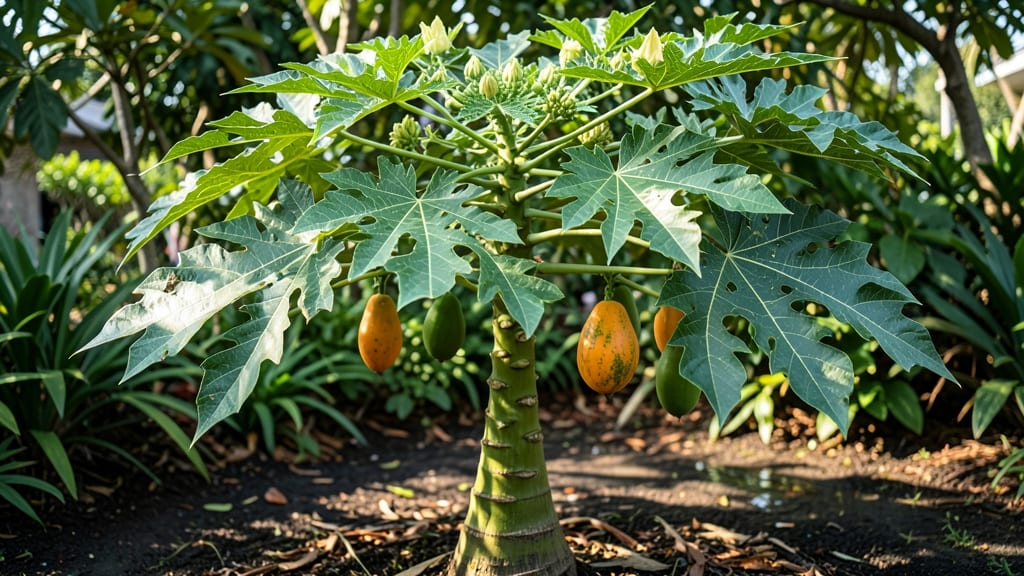
A papaya tree can grow between 10 and 30 feet tall, depending on its variety and growing conditions—turning your backyard into a tropical jungle with just one plant.
Imagine a tropical giant in your backyard—papaya trees don’t just bear delicious fruit, they can reach towering heights that might surprise even seasoned gardeners. But how tall can they grow, and what determines their sky-high limits?
Standard varieties like 'SunUp' or 'Honey Dew' can stretch toward 20-30 feet, while dwarf types like 'Solo' stay manageable at 8-12 feet. The difference comes down to genetics, climate, and care—so your location in zones 10-11 (like Hawaii or Florida) gives you a major advantage.
In this guide, I’ll break down how height varies by variety, the factors that push a papaya tree toward the sky, and practical tips—like pruning or container growing—to keep it at your desired height without sacrificing fruit production.


Papaya tree height by variety: from compact dwarfs to towering giants
If you're dreaming of a papaya tree in your garden, you might be surprised by how much space these tropical giants need. Standard papaya varieties can reach 20 to 30 feet tall, making them taller than most two-story houses!
But don't worry—there are also dwarf varieties perfect for smaller spaces, like patios or containers. The height of your papaya tree depends entirely on its genetic variety and growing conditions, so let's explore the sky-high differences.
Papaya trees grow incredibly fast, often adding 3 to 5 feet per year under ideal conditions. In their first year, you'll see them shoot up to 3 to 5 feet tall, while mature trees can tower over 25 feet in just three years.
This rapid growth is one reason why papayas are so exciting to grow—but it also means you need to plan your garden layout carefully to accommodate their eventual size.
Not all papaya trees are created equal. Some varieties stay compact, while others grow like jungle giants. For example, the 'Solo' papaya is a dwarf variety that tops out at 8 to 12 feet, making it ideal for smaller gardens or containers.
On the other hand, the 'SunUp' variety can reach 15 to 20 feet tall, while heirloom types like 'Honey Dew' or 'Red Maradol' may grow even taller, up to 25+ feet in perfect conditions.
Here’s a quick breakdown of how tall different papaya varieties can grow, so you can pick the perfect one for your space:
If you're growing papayas in containers, even the tallest varieties can be managed with proper pruning and root control. Dwarf varieties like 'Solo' or 'Kapoho Solo' are perfect for pots, as they rarely exceed 10 feet.
Just ensure your container is at least 18 inches wide and deep to accommodate their root systems and provide stability as they grow.
Genetics play a huge role in determining height. Papaya trees are hermaphroditic, meaning they can self-pollinate, but their height is largely predetermined by the parent plant.
If you're growing from seed, you might end up with a taller tree unless you select a dwarf variety. For consistent sizing, opt for
Factors that determine papaya tree height: climate, soil, and care secrets
Your papaya tree’s height isn’t just about genetics—it’s a dance between climate conditions, soil quality, and your daily care routines. In tropical zones like Hawaii or Florida, these trees can soar to 20-30 feet with ideal conditions, while cooler climates may cap them at 10-15 feet.
The key lies in understanding how each factor plays a role in either fueling rapid growth or stunting it.
Sunlight is the primary growth accelerator—papayas crave 6+ hours of direct sun daily. Without it, they’ll grow leggy and weak, reaching only half their potential height. Temperature also matters: below 60°F (15°C), growth slows dramatically, while 80-90°F (27-32°C) is their sweet spot for vertical expansion.
Even soil nutrients play a surprising role in height regulation.
Papaya Tree Height Factors
Maximizes height growth to 20-30 ft with 6+ hours daily
Stunts growth to 10-15 ft with leggy, weak stems
Optimal for rapid vertical growth and fruit production
Slows growth by 50% or more
Balanced NPK (10-10-10) fuels 20% faster height gain
Leads to stunted growth and weak structural support
Controls height while improving fruit yield and air circulation
Can reduce height by 30% and limit fruiting
To control height naturally, try root pruning—simply cut the outer roots by 20% during transplanting to redirect energy upward. For container-grown papayas, use pots no larger than 15-gallon to limit root expansion and height.
Staking young trees also prevents toppling while they reach 6-8 feet, which is critical for maintaining structural integrity.
Watering plays a subtle but critical role—deep watering every 2-3 days encourages strong root systems that support taller growth, while surface watering can lead to shallow roots and weaker stems. Always water in the morning to reduce fungal risks and maximize nutrient uptake, which directly impacts vertical growth rates.
For maximum fruit yield without sacrificing height, focus on balanced fertilization with high potassium (8-3-9 ratio) during fruiting seasons. This ensures your tree grows tall enough to support heavy fruit loads while maintaining vigor.
Avoid over-fertilizing with nitrogen, which promotes leafy growth at the expense of height and fruit production.
Remember, even the tallest papaya trees start small—your first year’s 3-5 foot growth sets the foundation for future height. With the right climate conditions, soil prep, and careful pruning, you can guide your papaya tree to reach its full potential while keeping it healthy and productive. 🌱