
Pruning
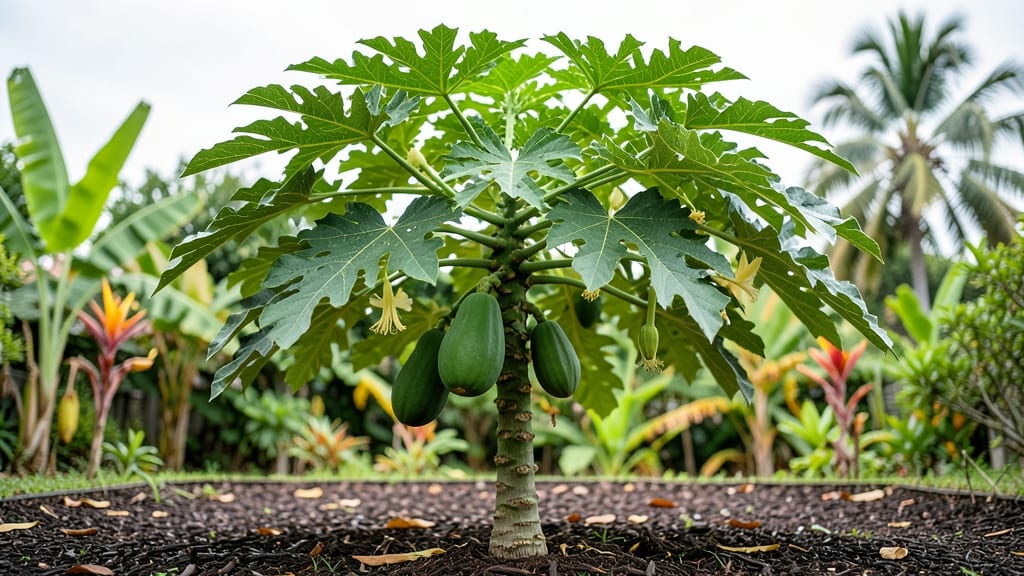
Growing papaya trees in Florida means tropical fruit without the travel—if you nail the basics. 🌴 The key is mimicking their native conditions: warm soil, high humidity, and just enough pruning to keep them productive.
I've grown mine for three years now, and they fruit reliably with almost no effort after the initial setup.
Florida's climate is perfect for papayas—they love the heat, the rain, and the long growing season. Start with well-draining soil (a mix of sand and compost works best), plant in full sun, and water consistently but avoid soggy roots.
Fertilize lightly every few months with citrus-specific fertilizer, and watch for signs of overwatering like yellow leaves.
By late summer, you'll see those signature orange-yellow fruits hanging heavy on the branches. A single tree can produce 50+ papayas per year with minimal pruning—just remove dead growth and shape the tree for airflow. The first harvest tastes sweeter than any store-bought fruit, and you'll be hooked.
Local pests like aphids or scale can appear, but a strong spray of neem oil usually clears them up. If humidity drops too low in winter, mist the leaves occasionally. With these simple steps, you'll have a productive papaya tree that thrives in Florida's heat—no greenhouses or special equipment needed.
📚 In This Guide
- What you need
- Instructions
- Tips and common mistakes
- Wrapping up and next steps
What you need
- ● Papaya Seeds or Seedlings: 1-2 Carica papaya seeds (if starting from seed) or 1 healthy seedling (for faster growth).
- ● Choose Florida-friendly varieties like ‘Solo’ or ‘SunUp’ for year-round harvests.
- ● Well-Draining Soil: 5-10 gallons of sandy loam soil (mix with perlite or coconut coir for aeration).
- ● pH Level: 6.0–7.0 (test with a soil kit or use a digital pH meter).
- ● Container or Planting Spot: Container Option: 1–2 large pots (15–20 gallons each) with drainage holes.
- ● In-Ground Option: Full sun (6+ hours/day) in a sheltered, warm microclimate (e.g., near a fence or building).
- ● Fertilizer: 1 balanced fertilizer (e.g., 10-10-10) for planting + 1 citrus-specific fertilizer (high in nitrogen, phosphorus, and potassium) for ongoing growth.
- ○ Optional: Compost or worm castings (1–2 cups per plant) for organic enrichment.
- ● Pruning Tools: 1 pair of sterilized pruning shears (for clean cuts).
- ● 1 sharp bypass pruner (for larger branches).
- ○ 1 hand saw (optional, for thick stems).
- ● Protective Gear: 1 pair of gloves (nitrile for grip, leather for thicker branches).
- ● 1 disinfectant spray (70% isopropyl alcohol or hydrogen peroxide) to sterilize tools.
- ○ Support Structures (Optional): 1–2 bamboo stakes or trellis (if training vines or supporting young plants).
- ● 1 roll of twine or soft plant ties (for securing stems).
- ● Climate Check: Ensure your zone is 9b–11 (Florida’s coastal and southern regions are ideal).
- ● Frost Protection: Have frost cloth or row covers on hand for unexpected cold snaps (<32°F).
- ● Water Source: 1 hose with a gentle spray nozzle or drip irrigation system (papayas need consistent moisture but hate soggy roots).
- ● Pest Monitoring: 1 magnifying glass (to spot mites or aphids early).
- ● 1 bottle of neem oil or insecticidal soap (organic pest control).
Step-by-step instructions for growing papaya trees in Florida
Here’s how to grow a thriving papaya tree with minimal fuss—Florida’s climate makes this easier than you think.
🌱 Step 1: Choose the Right Variety and Planting Location
Florida’s heat and humidity suit papaya trees perfectly, but pick a dwarf or semi-dwarf variety like ‘SunUp’ or ‘Red Maradol’ to simplify care. These grow 6-10 feet tall, making them manageable for home gardens. Plant in full sun—at least 6-8 hours daily—with protection from strong afternoon winds.
Papayas thrive in well-draining soil with a slightly acidic to neutral pH (6.0-7.5). If your soil is heavy clay, mix in 3-4 inches of compost before planting to improve drainage. Avoid low-lying areas where water pools—papaya roots rot easily in soggy conditions.
🪴 Step 2: Plant Seedlings or Grow from Seed
Start with nursery-grown seedlings for faster fruit production, or grow from seed if you prefer. Papaya seeds germinate best in warm soil (75-85°F). Plant seeds ½ inch deep in pots filled with seed-starting mix, then cover lightly. Keep the soil evenly moist (not soggy) and place in a warm, sunny spot—a greenhouse or under grow lights works well.
Seedlings will sprout in 10-20 days. Once they reach 6-8 inches tall, transplant them into the ground or larger containers (5-gallon pots minimum). Handle seedlings gently—papaya roots are delicate. Space plants 10-12 feet apart to allow airflow and prevent disease.
☀️ Step 3: Water and Fertilize for Year-Round Growth
Papayas need consistent moisture but hate soggy roots. Water deeply 2-3 times per week during dry spells, aiming for 1-2 inches of water per week. Let the top 2 inches of soil dry out between waterings to prevent root rot. Mulch around the base with 2-3 inches of organic mulch (like wood chips) to retain moisture and regulate soil temperature.
Fertilize every 4-6 weeks with a balanced, water-soluble fertilizer (10-10-10) or a citrus-specific fertilizer for a nutrient boost. Avoid heavy nitrogen—it encourages leafy growth at the expense of fruit. You’ll know you’re on track when your tree produces bright yellow or orange flowers within 6-12 months.
✂️ Step 4: Minimal Pruning for Fruit Production
Papayas require very little pruning—focus on removing dead, diseased, or crossing branches to improve airflow. Trim back any suckers (shoots growing from the base) to direct energy toward fruit production. If your tree grows too tall, prune the top 1-2 feet to encourage bushier growth and easier harvesting.
Here’s the key: Don’t over-prune. Papayas fruit on new growth, so light pruning keeps the tree healthy without stunting production. Watch for small, bumpy fruit forming near the branches—this means your tree is thriving. Harvest when fruit is fully colored (yellow, orange, or red, depending on variety) and slightly soft to the touch.
🌿 Step 5: Protect and Maintain for Continuous Harvests
Florida’s heat helps papayas thrive, but protect young trees from frost (rare but possible in north Florida) with a lightweight frost cloth if temperatures dip below 32°F. Once established, papayas handle Florida’s climate beautifully—just keep an eye out for mealybugs or aphids, which can weaken the tree. Spray with neem oil if you spot pests.
With minimal pruning and consistent care, your papaya tree can produce fruit year-round in Florida’s warm climate. Expect 4-6 harvests per year from a healthy tree, with each fruit weighing 1-3 pounds. The secret? Less fuss, more patience—papayas reward steady care with sweet, tropical rewards.
Tips & tricks for growing papaya trees in Florida
Florida's climate turns papaya growing into a breeze—here's how to maximize your tropical harvest with minimal effort.
Soil Prep Secret: Before planting, mix in 3-4 inches of compost if your soil is heavy clay. This improves drainage, which is critical since papaya roots rot easily in soggy conditions. Test your soil's pH—aim for 6.0-7.5—and adjust with lime if needed. I've seen papayas thrive in amended soil that would otherwise be too dense for proper root development.
Germination Game-Changer: For seed starters, maintain warm soil (75-85°F) and keep it evenly moist—not soggy. Place pots under grow lights or in a greenhouse to speed up germination, which typically happens in 10-20 days. Here's what nobody tells you—cover seeds lightly with soil but don't press down too hard. Papaya seeds need gentle contact to sprout.
Watering Wisdom: The 2-3 times per week watering schedule works best during dry spells, but adjust based on rainfall. The key is letting the top 2 inches of soil dry out between waterings. I've found that morning watering prevents fungal issues while allowing excess moisture to evaporate during the day. Mulching with 2-3 inches of organic mulch helps maintain consistent soil moisture and temperature.
Pruning Pitfalls: When pruning, focus only on dead, diseased, or crossing branches. Avoid cutting into healthy wood—papayas fruit on new growth, so every cut should be strategic. If your tree grows too tall, trim the top 1-2 feet to encourage bushier growth. I learned this the hard way after over-pruning and seeing my tree take months to recover. Light pruning keeps it healthy without stunting production.
Pro Tips for Papaya Tree In Florida
- Florida's climate turns papaya growing into a breeze—here's how to maximize your tropical harvest with minimal effort.
- Soil Prep Secret: Before planting, mix in 3-4 inches of compost if your soil is heavy clay.
- Germination Game-Changer: For seed starters, maintain warm soil (75-85°F) and keep it evenly moist—not soggy.
Frequently asked questions
Got questions about growing papaya trees in Florida’s warm climate? You’re not alone! Here are some of the most common queries—plus straightforward answers—to help you cultivate a thriving, low-maintenance papaya harvest.
Can papaya trees survive Florida’s winters?
Yes! While papayas thrive in Florida’s summer heat (USDA Zones 10-11), they’re sensitive to frost. If temps dip below 32°F, move potted trees indoors or cover them with frost cloth. In-ground trees may need temporary protection—like a tarp or greenhouse—until spring. Pro tip: Choose cold-hardier varieties like ‘Red Maradol’ for a slight edge.
How long does it take for a papaya tree to bear fruit?
Patience is key! Under ideal Florida conditions (full sun, well-draining soil, and consistent water), papaya trees typically produce fruit 12–18 months after planting. Dwarf varieties may fruit faster (as early as 9 months), while larger trees can take up to 2 years. Speed it up: Prune aggressively in the first year to encourage bushier growth and earlier flowering.
Why aren’t my papaya flowers turning into fruit?
Papayas are self-pollinating, but Florida’s humidity can sometimes interfere. If flowers drop without fruiting, try hand-pollinating with a small brush or gently shaking the tree on a calm day. Other culprits: Over-fertilizing (too much nitrogen = more leaves, fewer fruits), poor drainage, or pests like aphids. Fix it: Reduce nitrogen, ensure soil drains well, and spray neem oil if pests are present.
Can I grow papayas in containers, or do they need to be planted in the ground?
Containers are perfect for Florida’s unpredictable weather—just use a 5-gallon pot minimum (bigger = better for stability). Ensure pots have drainage holes and use a lightweight, well-draining mix (like 60% potting soil + 30% perlite + 10% coconut coir). Move containers to a sunny spot in winter if frost threatens. Container hack: Elevate pots to improve drainage and prevent root rot.
Are papaya trees messy? Do they need heavy pruning?
Not at all! Papayas are low-maintenance—minimal pruning is all you need. Focus on removing dead or yellowing leaves and trimming back leggy growth to encourage bushiness. Prune lightly after harvests to redirect energy to new fruit. Avoid over-pruning: Heavy cuts can stress the tree and delay fruiting. Bonus: Pruned leaves make great compost or mulch!
Do papaya trees attract pests or diseases in Florida?
Florida’s warm climate can invite aphids, mealybugs, and fungal issues like powdery mildew. Prevent pests with neem oil sprays and healthy soil (rich in compost). For fungal diseases, improve airflow (prune dense foliage) and avoid overhead watering. Early warning: Yellowing leaves or sticky residue? Check for pests immediately!
Can I grow papayas alongside other Florida-friendly fruits?
Yes! Papayas pair well with citrus trees, avocados, and bananas—all thrive in Florida’s heat. Avoid planting them near guavas or mangoes, as they compete for similar nutrients and space. Companion tip: Interplant with marigolds or basil to naturally repel pests and boost growth.
Wrapping up and next steps
Growing a papaya tree in Florida is a rewarding journey—one that rewards you with year-round harvests and minimal effort! With the right soil, sunlight, and a little pruning know-how, you’ll enjoy sweet, tropical fruit without the fuss.
Whether you’re a beginner or a seasoned gardener, this tropical gem thrives in Florida’s climate, making it a low-maintenance superstar for your backyard.
Ready to dive in? Start by planting your first tree this season—your taste buds (and neighbors!) will thank you. 🌱🍈