
Pruning
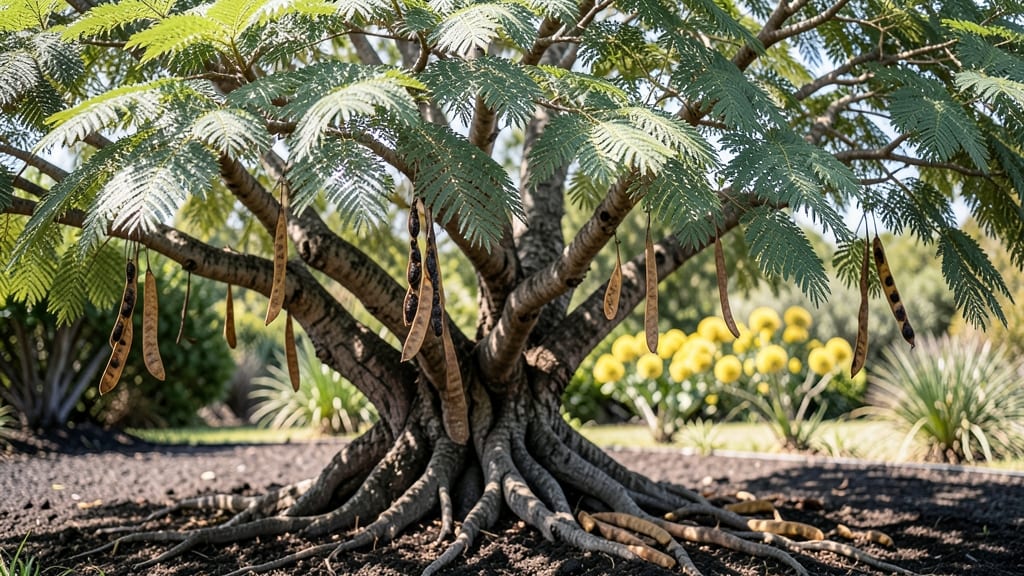
Fast-growing acacia tree pods are the secret weapon for drought-resistant landscapes. 🌿 I’ve grown several varieties, and the ones with thick, leathery pods produce harvests within just 2-3 years—no waiting a decade for slow growers. The key? Choosing the right species and mimicking their native conditions.
These pods form after flowers bloom, so timing matters. Plant in well-draining soil with full sun, and water deeply but infrequently—overwatering kills acacias faster than drought. Prune in late winter to shape the tree and encourage new growth where pods will form.
By mid-summer, you’ll see clusters of glossy brown pods that stay on the tree for months, offering year-round interest. They’re also wildlife magnets, attracting birds and bees while adding texture to winter gardens.
Works for desert landscapes, urban streets, or even large containers. Here’s how to maximize your harvest without the wait.
Natural Triggers Behind Pod Growth
Acacia pods—those fascinating, seed-filled structures—don’t just appear by chance. Their growth is a carefully orchestrated response to environmental and biological cues, ensuring survival and reproduction for the tree. Understanding these triggers can help you optimize conditions for a bountiful harvest. Let’s break down the key factors that kickstart pod development:
Acacia trees are highly attuned to seasonal changes, and pod formation is no exception. Most species rely on temperature shifts, daylight hours, and rainfall patterns to signal when it’s time to produce pods.
- Day Length Matters: Many acacias (like Acacia koa or Acacia senegal) are photoperiod-sensitive, meaning they respond to changes in daylight. As days shorten in late summer or early autumn, the tree’s hormonal balance shifts, triggering flower bud formation. These buds later develop into pods.
- Temperature Thresholds: Cool nights (ideal range: 50–65°F) after warm days (75–85°F) often stimulate flowering. If temperatures stay too hot or cold for extended periods, the tree may delay or skip pod production entirely.
- Rainfall & Moisture: A moderate drought followed by sudden rain can act as a natural "go" signal. Too much water stresses the tree, while too little halts growth—balance is key!
Pro Tip: 💡 If your acacia isn’t flowering, monitor local weather patterns. Some varieties need a dry spell of 4–6 weeks before a good soak to break dormancy.
Inside the tree, plant hormones like ethylene, gibberellins, and auxins regulate pod development. Here’s how they play a role:
- Ethylene Boost: This hormone spikes when the tree senses stress (e.g., slight drought or pruning). It prompts flowers to form, which later become pods. Fun fact: Even gentle root disturbance (like transplanting) can trigger ethylene release!
- Gibberellins & Growth: These hormones encourage cell elongation, helping pods swell and mature. If your tree lacks nutrients (especially phosphorus and potassium), gibberellin production drops, leading to stunted pods.
- Auxin Balance: Too much auxin (common in over-fertilized trees) can suppress flowering. A light pruning in early spring can reset hormone levels and encourage pod-bearing branches.
Actionable Tip: 🌡️ Test soil pH (ideal: 6.0–7.0). Acidic or alkaline soil disrupts nutrient uptake, throwing off hormonal signals.
Even if your acacia flowers, pods won’t form without successful pollination. Many acacia species rely on:
- Bees & Wasps: Primary pollinators for species like Acacia melanoxylon (blackwood). Without them, flowers may drop without setting pods.
- Wind (for some species): Trees like Acacia farnesiana (sweet acacia) release lightweight pollen that wind carries.
- Birds & Bats: In tropical regions, nectar-feeding animals transfer pollen between trees.
What to Do If Pods Aren’t Setting: ✨
- 🐝 Attract pollinators: Plant native flowers nearby (e.g., lavender, sunflowers) and avoid pesticides.
- 🌬️ Hand-pollinate: Use a soft brush to transfer pollen between flowers if your tree is isolated.
- 🌿 Check for pests: Aphids or scale insects can block pollen access—treat with neem oil if needed.
While some stress (like mild drought) triggers pod growth, extreme conditions can backfire:
- Overwatering: Leads to root rot and nutrient deficiencies, starving the tree of energy for pod development.
- Poor Soil: Compacted or nutrient-poor soil limits root growth, reducing the tree’s ability to support heavy pods.
- Pest/Disease Damage: Borers, fungal infections, or heavy defoliation divert the tree’s energy away from reproduction.
Fix It: 🔥
- 💧 Water deeply but infrequently (1–2 inches per week, depending on climate).
- 🌱 Amend soil with compost or a slow-release fertilizer (10-10-10 ratio) in early spring.
- 🛡️ Monitor for pests: Inspect leaves regularly for holes or sap—early intervention prevents stress.
Not every acacia variety produces pods at the same rate—or at all! Here’s what influences genetic readiness:
- Species Traits: Some acacias (like Acacia auriculiformis) are fast-growing and prolific podders, while others (e.g., Acacia dealbata) produce fewer but larger pods.
- Age Maturity: Young trees (under 3–5 years) focus energy on root and trunk growth, delaying pod production. Older trees (10+ years) often yield the best harvests.
- Pruning History: Aggressive pruning can reset the tree’s growth cycle, sometimes delaying pods by a year. Opt for light structural pruning to encourage flowering branches.
Quick Check: 📊 If your tree is past its prime podding age, consider grafting a younger, high-yielding variety onto its roots.
Fixing Common Acacia Pod Problems
When your acacia tree pods aren’t thriving—or worse, they’re falling off prematurely—don’t panic! Most issues have simple, actionable fixes. Below, we’ve mapped the most common problems to their solutions, along with prevention tips to keep your harvest bountiful year-round.
If your pods stay stubbornly closed, it’s usually due to immature pods, lack of sunlight, or inconsistent watering. Here’s how to coax them open:
🔥 Fix: Mimic Natural Ripening Conditions
- 🌞 Increase sunlight exposure: Move potted acacias to a sunnier spot (at least 6–8 hours of direct sun daily).
Use reflective surfaces (like white walls or mirrors) to bounce extra light onto shaded areas. - 💧 Adjust watering: Overwatering delays ripening. Let the top 2–3 inches of soil dry out between waterings.
In drought-prone areas, deep water 1–2 times per week instead of frequent shallow drinks. - 🍂 Harvest at the right time: Pods should be brown, dry, and slightly papery before harvesting. If they’re still green, wait 1–2 weeks—forcing them won’t help.
💡 Pro Tip:
Use a hair dryer on low heat for 5–10 minutes to gently warm closed pods. This tricks them into opening faster (great for indoor trees!). Just avoid high heat—you don’t want to scorch them.
Dropping pods are often a sign of stress, pests, or improper care. Here’s how to save them:
👨🍳 Fix: Address the Root Cause
| Cause | Solution | Prevention |
|---|---|---|
| Overwatering | Let soil dry out completely between waterings. Use well-draining soil (mix in perlite or sand). | Water only when the top 2 inches of soil are dry. |
| Underwatering | Water deeply 2–3 times per week (adjust for climate). Use mulch to retain moisture. | Install a soil moisture sensor for accuracy. |
| Pests (aphids, scale) | Spray with neem oil or insecticidal soap. Wipe off pests with a soapy cloth. | Introduce ladybugs (natural predators) or use diatomaceous earth. |
| Fungal disease | Prune affected branches below the infection. Apply copper fungicide. | Avoid overhead watering; water at the base. |
| Nutrient deficiency | Fertilize with a balanced 10-10-10 or low-nitrogen fertilizer in spring. | Test soil annually and amend with compost. |
✨ Bonus Fix:
If pods are dropping due to wind or heavy branches, prune strategically:
- Remove weak or crossing branches to improve airflow.
- Stake young trees to prevent swaying in storms.
Pests like mealybugs, thrips, or caterpillars can devour pods before they ripen. Act quickly with these non-toxic methods:
🔪 Step-by-Step Pest Control
- 🔍 Inspect daily: Check pod seams, undersides of leaves, and new growth for eggs or webs.
- 🚿 Blast them off: Spray pods and leaves with water to dislodge pests (repeat every 3–4 days).
- 🌿 Apply natural repellents: - Neem oil (mix 1 tbsp per quart of water, spray at dusk). - Garlic spray (blend 5 garlic cloves + 1 tsp cayenne + 1 quart water, strain, and spray).
- 🐞 Encourage predators: Release ladybugs, lacewings, or parasitic wasps (available at garden centers).
🎯 Prevention Checklist:
- 🌿 Mulch heavily (3–4 inches) to deter crawling pests.
- 🍃 Prune regularly to remove hiding spots.
- 🌡️ Avoid over-fertilizing (soft new growth attracts pests).
If your acacia tree skips flowering entirely, it’s likely due to age, pruning mistakes, or lack of dormancy. Here’s how to trigger blooms:
🌸 Fix: Trick the Tree into Flowering
- 📅 Prune at the right time: Cut back 1/3 of the tree in late winter/early spring (just before buds swell).
Avoid heavy pruning in summer or fall. - ❄️ Simulate dormancy: If you’re in a warm climate, mimic winter by reducing water and fertilizer for 6–8 weeks in late fall. - 🌞 Boost sunlight: Some acacias (like Acacia koa) need full sun (8+ hours) to flower.
If indoors, use grow lights 12–14 hours/day. - 💧 Water consistently: Fluctuating moisture stresses the tree. Keep soil evenly moist (not soggy) during the growing season.
💡 Pro Tip:
For container-grown acacias, move pots to a cooler (50–60°F) spot for 4–6 weeks in winter to break dormancy. This often triggers heavier flowering the next spring.
Remember: Most acacia pod problems are fixable with patience and consistency. Start with the most likely cause, adjust one thing at a time, and your tree will reward you with plump, harvest-ready pods in no time!
Frequently asked questions
Are acacia tree pods edible or poisonous?
Most acacia pods are not edible for humans—they often contain toxic compounds like tannins or alkaloids. However, some species (like Acacia senegal) produce pods used for gum arabic, a food additive. Always research your specific variety before consumption and avoid feeding them to pets or livestock.
How long does it take for acacia pods to develop after flowering?
Pod development typically takes 3–6 months after flowering, depending on the species and growing conditions. In ideal climates with proper sunlight and water, you’ll see pods forming within 8–12 weeks of bloom. Cooler temperatures can slow this process.
Can I grow acacia trees in containers, and will they still produce pods?
Yes! Many acacia varieties thrive in containers, including Acacia koa and Acacia farnesiana. Use well-draining soil and ensure the pot is at least 18–24 inches deep. With proper sunlight (6+ hours daily) and occasional pruning, container-grown acacias will still produce pods, though yields may be smaller than in-ground trees.
What’s the best way to harvest acacia pods without damaging the tree?
Harvest pods when they’re fully brown and dry but still attached to the tree. Use clean, sharp pruning shears to snip the stem just above the pod. Avoid pulling or twisting, which can harm branches. Harvest in the morning when pods are least likely to be damp from dew.
Why are my acacia pods falling off before they ripen?
Premature pod drop usually signals stress from overwatering, underwatering, pests, or nutrient deficiencies. Check soil moisture (should be dry 2–3 inches deep between waterings) and inspect for aphids or scale insects. Prune affected branches and apply neem oil if pests are present.