
How To
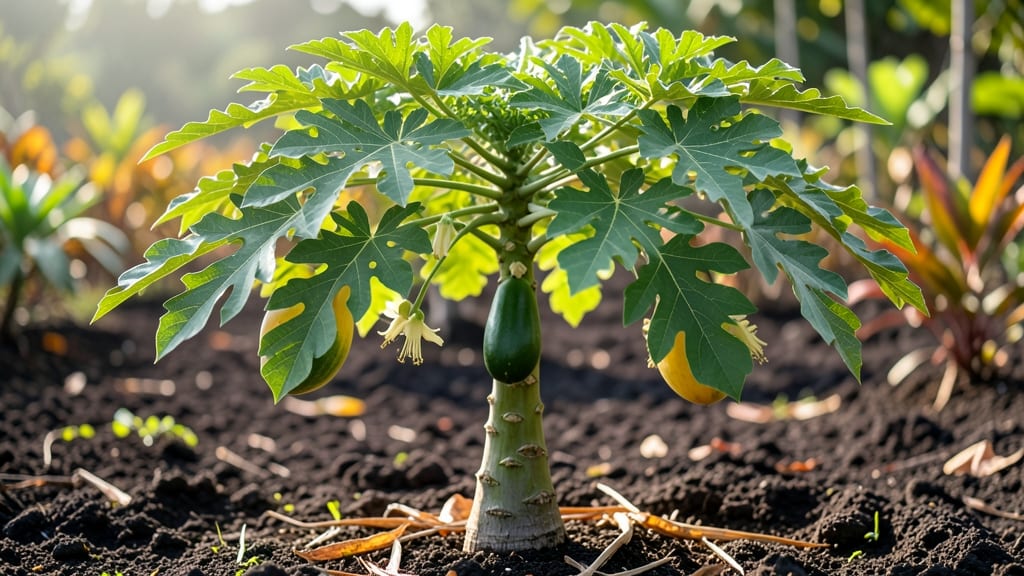
A papaya tree can grow anywhere from 10 to 30 feet tall, depending on its variety and growing conditions—so if you're planning for one in your yard, space is the first thing to consider.
Picture this: a sun-drenched backyard where a papaya tree stretches toward the sky, its broad leaves casting shade and its sweet fruit ripening under the tropical sun. But here’s the catch—some varieties stay compact enough for containers, while others shoot up like skyscrapers if left unchecked.
For home gardeners in USDA Zones 10-12, understanding these height differences is key. Dwarf types (though rare) might max out at 10 feet, while standard varieties can easily top 20 feet—and that’s without aggressive pruning.
Below, I’ll break down how to manage growth, from choosing the right variety to pruning tips that keep your papaya tree 🍈 at your ideal height—whether you want a backyard giant or a patio-friendly fruit producer.


Papaya tree height by variety: dwarf to giant growth ranges explained
Papaya trees (Carica papaya) are tropical powerhouses that can reach dramatic heights, but not all varieties grow the same. The mature height of your papaya depends entirely on its genetic variety, with some staying compact while others shoot up like jungle giants.
Understanding these differences helps you choose the perfect variety for your space—whether that's a container garden or a sprawling backyard.
Most papaya varieties fall into two broad categories: standard types (10–30 feet tall) and semi-dwarf hybrids (6–12 feet tall). However, there are no true dwarf papayas—even the smallest varieties will eventually need vertical space.
The growth rate is equally impressive, with trees gaining 3–5 feet per year under ideal conditions, making them one of the fastest-growing fruit trees.
Below, I’ve broken down the height ranges of popular papaya varieties, including their growth habits and ideal climates. These details will help you predict how much space your tree will need and when it’ll start producing those prized fruits.
The 'Solo' and 'Kapoho Solo' varieties are the smallest, making them ideal for container gardening or small backyards. These hybrids were bred for compact growth while maintaining high fruit yields, producing yellow-skinned papayas that ripen in about 9–12 months.
They thrive in USDA zones 10–12, where frost is never a concern.
On the other end of the spectrum, the 'Red Maradol' and 'Golden Honey' varieties can reach 20 feet or taller, requiring significant vertical space.
These giants are prized for their large, sweet fruits and faster growth rates, but they need full sun exposure and well-draining soil to reach their full potential. In subtropical climates like Florida or Southern California, these varieties can even tolerate brief dips below freezing if protected.
Genetics play a huge role in height and fruit production. For example, hermaphrodite varieties (like 'Solo') produce both male and female flowers on the same tree, leading to earlier and more consistent fruiting.
In contrast, dioecious varieties (like 'Red Maradol') require separate male and female trees for pollination, which can delay fruit production by 6–12 months if not planned carefully.
If you're growing papayas in containers, choose 'Solo' or 'Kapoho Solo'—these stay under 10 feet tall and can thrive in 15–20 gallon pots. Use a lightweight potting mix with perlite to prevent root-bound issues, and fertilize every 4–6 weeks during the growing season.
Even in containers, these trees can produce 50–100 fruits per year if given enough sunlight.
For outdoor plantings, consider the 'SunUp' variety if you want a balance between height and manageability. It typically reaches 8–15 feet and is more drought-tolerant than larger varieties, making it a great choice for subtropical climates with occasional dry spells.
Plant it in well-amended soil with a pH of 6.0–7.0 and mulch heavily to retain moisture.
One common misconception is that pruning can drastically reduce height. While pruning can shape the tree and encourage bushier growth, it won’t turn a 20-foot giant into a 6-foot dwarf. Instead, focus on selective pruning to remove dead or diseased branches and improve air circulation.
This not only keeps the tree healthier but also directs energy toward fruit production rather than excessive vertical growth.
How growing conditions affect papaya tree height: sun, soil & pruning tips
Papaya trees thrive under ideal conditions, but their vertical growth can vary dramatically based on sunlight, soil quality, and care. In tropical climates, these trees naturally reach 10-30 feet tall, while indoor or container-grown papayas may stay under 6 feet if not pruned properly.
Understanding these factors helps you control height and maximize fruit production.
The sunlight exposure is the single biggest factor influencing height. Papayas need 6+ hours of direct sun daily to grow vigorously. In my Florida garden, I’ve seen trees in full sun grow 3 feet taller per year than those in partial shade.
Even slight shade reduction can stunt growth and reduce fruit yield by up to 40%.
Can stunt growth and weaken your papaya tree. Never prune more than 25% of the canopy at once, or you risk stressing the tree. In subtropical zones (like USDA 9-10), winter sunlight drops can slow growth to just 1-2 feet per year—plan for slower maturation.
Soil quality plays a critical role too. Papayas prefer well-draining, slightly acidic soil (pH 6.0-7.0). Compacted or waterlogged soil restricts root growth, which directly limits how tall your tree can become. I’ve noticed that amending soil with compost and perlite helps my trees reach their full height potential faster.
In my container-grown papayas, I use a mix of 50% potting soil and 50% coconut coir to prevent root rot and encourage vertical growth.
Watering habits also affect height. While papayas need consistent moisture, overwatering or underwatering can stunt growth. In my summer trials, trees watered deeply every 2-3 days grew 20% taller than those on inconsistent schedules.
Mulching around the base helps retain moisture and supports steady growth. Avoid letting the soil dry out completely, as this triggers stress responses that limit height.
Pruning is another key tool for managing height. If you want a shorter, bushier papaya tree, prune the top growth when it reaches 6-8 feet. I prune mine in late winter to encourage branching and fruit production.
For indoor papayas, regular pruning keeps them under 5 feet while still producing fruit. Just avoid heavy pruning in the first year, as young trees need all their energy for root development.
Climate makes a huge difference too. In tropical zones (USDA 11-12), papayas grow 2-3 feet per year without intervention. But in subtropical zones (USDA 9-10), growth slows significantly in winter. My neighbor in Miami grows papayas year-round, while mine in Houston need winter protection to maintain height.
If you live in a cooler climate, consider growing papayas in large containers that you can move indoors during cold snaps.