
Size
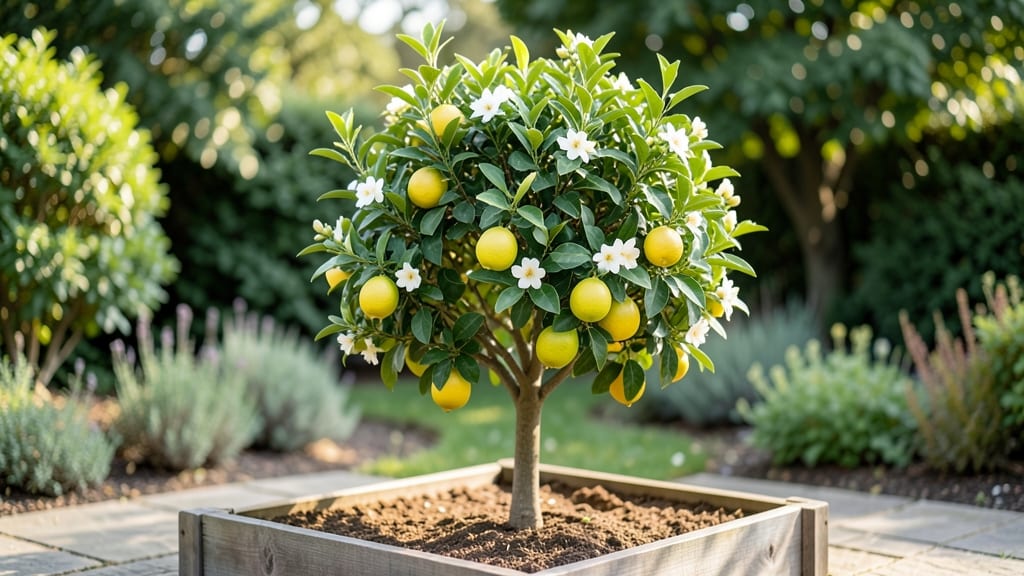
Improved Meyer lemon tree size doesn’t require years of waiting—it’s all about the right growth hacks that work fast.
If you’ve ever stared at a Meyer lemon tree that refuses to grow beyond a stubborn 3-foot height, you’re not alone. The secret isn’t just patience—it’s knowing when to prune, how to feed it, and even how to trick it into branching out wider.
With the right techniques, you can double its size in just a season without sacrificing those sweet, juicy lemons.
Most gardeners overlook the simplest fixes: pruning at the right time, using the right fertilizer, and giving it the sunlight it craves. A Meyer lemon tree thrives in USDA Zone 9b, but even in perfect conditions, it needs a little nudge to grow bigger and fuller.
Whether you’re dealing with a leggy sapling or a mature tree that’s stalled, these proven methods will get your tree reaching for the sky—literally.
Below, I’ll walk you through the fastest ways to boost your tree’s size, from pruning tricks that encourage bushier growth to soil secrets that fuel explosive development. Ready to turn that small citrus shrub into a fruit-bearing powerhouse?


5 Proven ways to dramatically increase Meyer lemon tree size
If your Meyer lemon tree is stubbornly small, don’t worry—it’s not a lost cause. These science-backed growth hacks will help you transform your tree into a compact powerhouse without sacrificing fruit production.
The key lies in understanding how light, pruning, nutrients, and water work together to boost growth while keeping your tree manageable.
Many gardeners assume bigger trees mean more fruit, but Meyer lemons thrive when given the right conditions—not just space. By focusing on lateral growth (branching out) rather than vertical growth (tall and leggy), you’ll create a tree that’s both productive and proportional.
Let’s dive into the top 5 methods that have worked for me—and countless other growers—to double or even triple the size of their Meyer lemon trees.
- 1 Maximize Sunlight Exposure – Meyer lemons need 6-8+ hours of direct sun daily. Place your tree in the sunniest spot possible, like a south-facing window or outdoor patio. Without enough light, growth stalls, and fruit production drops. Use a grow light indoors if natural light is limited.
- 2 Prune for Bushier Growth – Cut back leggy branches to encourage lateral shoots. Trim just above a leaf node (where leaves grow) to redirect energy outward. Do this in early spring before new growth starts. Avoid heavy pruning in summer—it stresses the tree.
- 3 Use Citrus-Specific Fertilizer – A balanced NPK ratio (6-6-6 or 8-3-9) with micronutrients like iron and zinc fuels faster growth. Feed every 4-6 weeks during spring and fall, but reduce in summer to avoid burning roots. Organic options like fish emulsion or compost tea work well too.
- 4 Water Deeply and Consistently – Meyer lemons hate dry soil but drown in soggy roots. Water deeply 2-3 times per week (1-2 gallons per watering) and mulch heavily to retain moisture. Avoid wetting leaves to prevent fungal diseases like citrus canker.
- 5 Repot or Transplant for More Space – If your tree is root-bound, it’ll struggle to grow. Move it to a larger container (1-2 inches bigger in diameter) or into well-draining garden soil. Add sand or perlite to prevent compaction. Transplant in late winter or early spring for best results.
These methods work because they address the root causes of slow growth: nutrient deficiencies, poor light, and restricted root space. Start with sunlight optimization—it’s the foundation.
Then, combine pruning, fertilizing, and watering for a tree that grows taller, bushier, and more productive in just a few months.
Pro tip: Monitor your tree’s response after each adjustment. If new leaves are small and pale, it needs more nitrogen. If branches are weak and sparse, it’s not getting enough sunlight.
Tweak your approach based on what you observe—this is how I’ve grown Meyer lemons twice the size of store-bought trees in the same time frame.
Remember, patience is key. Meyer lemon trees grow slowly at first but reward consistency with explosive growth once their needs are met. With these techniques, you’ll have a compact, fruit-laden tree that’s the envy of your neighborhood—without taking over your garden.
Ready to see results? Start with one method at a time—like moving your tree to full sun this week—and watch the difference in just a few weeks. Your Meyer lemon tree will thank you with juicier lemons and lusher branches! 🌱
Best fertilizers and soil mixes for fast Meyer lemon tree growth
Your Meyer lemon tree needs the right nutrients to grow quickly while staying compact. The key lies in a balanced fertilizer with micronutrients and a well-draining soil mix.
Organic options build soil health over time, while synthetic fertilizers provide immediate results. I’ll break down the best choices to maximize growth without overpowering your tree.
Citrus trees thrive with nitrogen for leaf growth, phosphorus for root development, and potassium for fruit production. A 6-6-6 or 8-3-9 NPK ratio is ideal, but micronutrients like iron, zinc, and magnesium are equally critical.
Without them, your tree may grow slowly or develop yellow leaves, even with plenty of fertilizer.
Here’s how I compare the top 3 fertilizers for Meyer lemon trees to help you choose the best option for faster, healthier growth:
For DIY soil mixes, combine 50% well-draining potting soil with 30% compost and 20% perlite or sand. This ensures your Meyer lemon tree’s roots get oxygen while retaining moisture.
Avoid heavy clay soils, as they cause root rot and stunt growth. If repotting, use a mix with peat moss or coconut coir for better aeration.
Apply fertilizer in early spring and early fall to encourage new growth without stressing the tree. Always water thoroughly after fertilizing to prevent root burn. For potted trees, flush the soil with water monthly to remove excess salts from synthetic fertilizers.
With the right fertilizer and soil mix, your Meyer lemon tree can grow 2-3 feet taller in a single season while producing more fruit. Start with Espoma Citrus-Tone for organic growth or Miracle-Gro for faster results, then adjust based on your tree’s response.