
How To
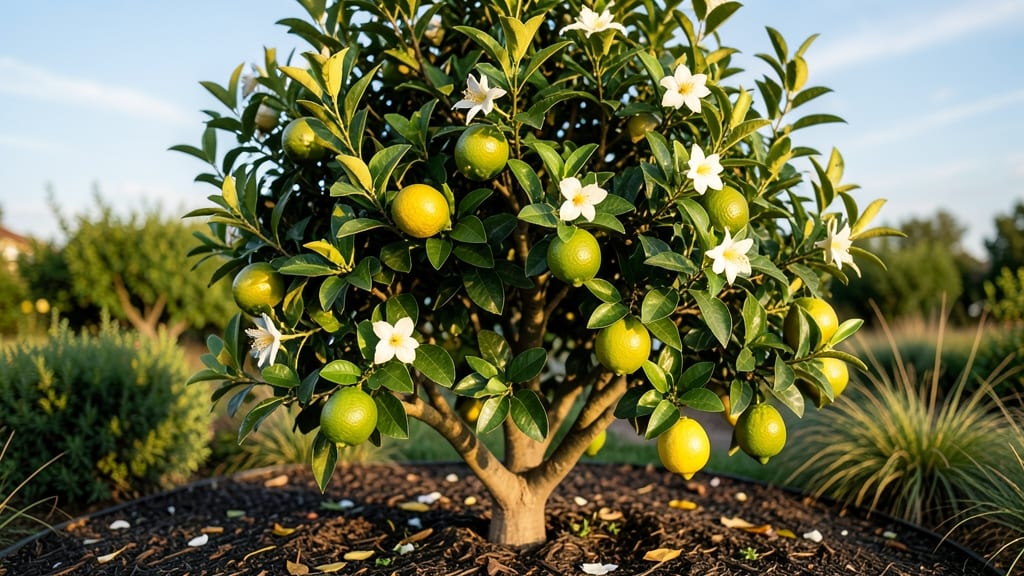
A Meyer lemon tree grows to 6–12 feet tall—but that number changes dramatically depending on whether it’s planted in a container or the ground. 🍋
Picture this: Your dream of fresh lemons could mean a 10-foot-tall tree in your yard or a compact, patio-friendly size with the right care. The difference comes down to space, pruning, and how you nurture it. Here’s how to match your space to your tree’s growth potential without sacrificing fruit.
Outdoor trees stretch toward the sky—sometimes even 15 feet in ideal conditions—while container-grown varieties stay manageable at 4–6 feet with proper pruning. Whether you’re working with a balcony or a backyard, knowing these limits helps you plan for success.
Below, I’ll break down the exact heights to expect, how to control growth, and the best varieties for small spaces. You’ll leave here with a clear idea of how tall your Meyer lemon tree will grow—and how to shape it to fit your life.


Meyer lemon tree height by growing environment: container vs outdoor limits
If you're wondering how tall a Meyer lemon tree grows, the answer depends entirely on where you plant it. In ideal outdoor conditions, these trees can reach 10–15 feet tall, while container-grown varieties typically max out at 6–8 feet.
The key difference lies in root space and pruning habits—outdoor trees have more room to stretch, while potted trees need regular height control to thrive. Understanding these limits helps you plan your garden layout or balcony setup without overcrowding.
Meyer lemon trees are fast growers, especially in warm climates (USDA Zone 9b+). Without pruning, an outdoor tree can shoot up 2–3 feet per year until it reaches maturity.
In containers, growth slows due to restricted roots, but you can still expect 1–2 feet of new growth annually if given proper care. The trade-off? Container trees produce slightly fewer lemons but are far easier to manage in small spaces.
🌱 Key insight: Your growing environment isn’t just about space—it’s about light exposure, soil quality, and pruning discipline. A tree in a 5-gallon pot on a sunny patio will stay compact, while one planted in well-draining garden soil with full sun will reach its full height potential. Let’s break down the numbers to help you decide what works for your setup.
For container gardeners, the 5–15 gallon pot rule is critical. A 15-gallon container can support a 6–8 foot tree with proper pruning, while a 5-gallon pot limits height to 4–5 feet.
Use well-draining citrus mix and upgrade pot size every 2–3 years to accommodate root growth. Without these adjustments, your tree will become root-bound, stunting its growth and reducing fruit production.
Outdoor Meyer lemon trees thrive when planted in well-draining soil with full sun exposure. In these conditions, they can reach 10–15 feet tall within 5–7 years. To manage height naturally, focus on selective pruning—removing overly tall branches in late winter or early spring.
This encourages a fuller, bushier shape while keeping the tree at a manageable height for harvesting.
Pruning isn’t just about height control—it’s about maximizing fruit production. When you prune, aim to remove suckers (shoots growing from the base) and crossing branches that block sunlight. This opens up the canopy, allowing more light to reach the fruit-bearing branches lower on the tree.
In containers, prune more aggressively to maintain compact growth, while outdoor trees can handle lighter pruning.
Climate plays a surprising role in height. In cooler zones (USDA 8a–9a), Meyer lemon trees grow slower due to shorter growing seasons, often staying under 8 feet tall unless heavily fertilized. In warmer zones (10a+), they can grow 20% taller with minimal effort.
If you live in a cooler area, use greenhouse protection or grow your tree in a large container that you can move indoors during winter.
Pro tip: If you’re growing a Meyer lemon tree in a small space, consider dwarf varieties like ‘Improved Meyer’ or ‘Ponderosa Meyer’. These stay under 6 feet tall even with minimal pruning, making them perfect for balconies and patios.
Just remember—dwarf trees produce fewer lemons, so plan accordingly if you’re dreaming of a bountiful harvest.
One common mistake is assuming that bigger pots = taller trees. In reality, larger pots encourage root expansion, which can lead to faster vertical growth if not managed.
To keep your container tree in check, prune the roots every 2–3 years by trimming circular roots that wrap around the pot’s edges. This technique, called root pruning, forces the tree to focus
How to keep a Meyer lemon tree compact in containers (with height control tips)
Container gardening lets you grow Meyer lemon trees even in small spaces, but controlling their height requires strategy. Without proper care, your citrus tree can easily outgrow its pot, becoming leggy and unmanageable.
The key lies in choosing the right dwarf varieties, using appropriately sized containers, and implementing a pruning schedule that encourages bushier growth rather than vertical expansion.
Start by selecting a 5-gallon container minimum for young trees, upgrading to 15-gallon pots as they mature. Smaller pots naturally stunt root growth, which limits how tall your tree becomes.
Pair this with regular pruning—cut back one-third of new growth in late winter to shape the tree and encourage branching. This approach keeps most container-grown Meyer lemons between 4-6 feet tall, perfect for patios or balconies.
Seasonal fluctuations play a huge role in height management. Your Meyer lemon tree will naturally grow faster during spring and summer, so plan for a second pruning in early summer to curb any sudden height gains.
In cooler months, growth slows, making it easier to maintain your desired shape. Pair this with well-draining soil and consistent moisture—never let containers dry out completely, as stress can lead to erratic growth spurts.
For the most compact results, consider grafted dwarf varieties like 'Improved Meyer,' which stays under 6 feet even with minimal pruning. These varieties are bred specifically for containers and produce fruit just like their taller counterparts.
Just remember: even dwarf trees need full sun exposure (6+ hours daily) to stay healthy and productive. Place your container near a south-facing window or on a sunny balcony to maximize growth control.
Finally, don't forget that root-bound trees grow taller as they search for nutrients. If you notice roots circling the pot, it's time to repot into a slightly larger container (just 2-3 inches wider) to give roots room without encouraging excessive height.
This simple step can make all the difference in keeping your Meyer lemon tree at a manageable height while still enjoying a bountiful harvest.
With these height control strategies, your container-grown Meyer lemon tree will stay lush, productive, and perfectly sized for your space—no backyard required! 🪴✂️🍋