
How To
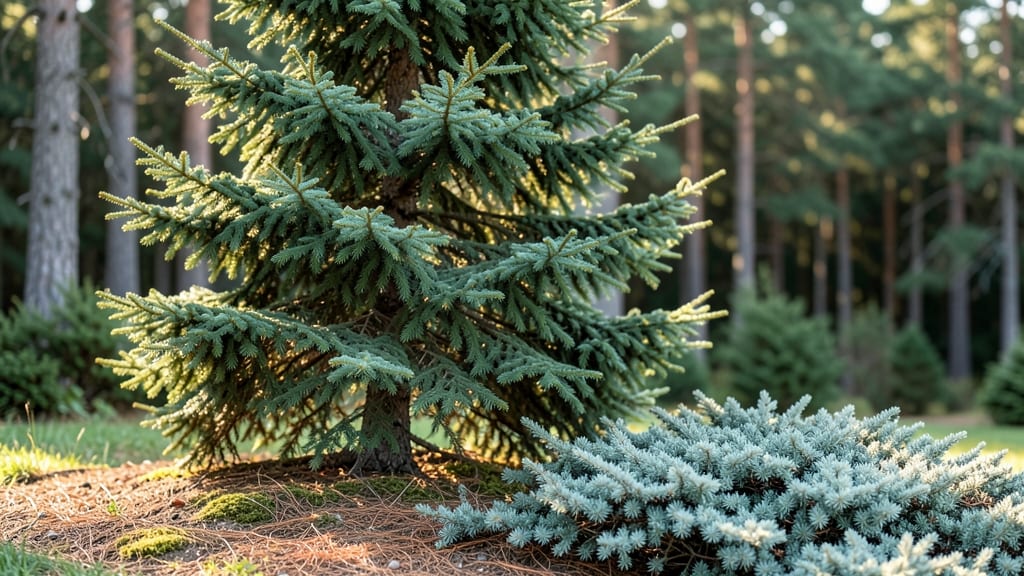
How tall does a juniper tree grow? It can range from a 3-foot dwarf to towering over 40 feet—depending entirely on the variety you choose.
Wondering whether a juniper tree will tower over your backyard or stay compact enough for a small garden? The answer depends entirely on the variety—and getting it right could save you years of pruning headaches.
Some species, like the Eastern Red Cedar (Juniperus virginiana), can reach heights of 30 to 40 feet, while others, such as Juniperus horizontalis, stay low and sprawling, perfect for ground cover.
Below, I’ll break down the exact height ranges for the most popular varieties, how climate and soil affect growth, and the easiest ways to keep even the tallest junipers in check.


Juniper tree height by variety: from dwarf to giant species
Choosing the right juniper variety is the first step in planning your landscape—especially when space is limited or you want to create a dramatic focal point. Juniperus species range from ground-hugging shrubs to towering evergreens that reach 40 feet tall.
Knowing these height differences helps you avoid overcrowding or underwhelming results in your garden design.
The smallest juniper varieties stay under 3 feet, perfect for rock gardens or container planting, while standard varieties can dwarf a two-story house. Even within a single species, like Juniperus virginiana, some cultivars stay compact while others grow aggressively.
Let’s break down the exact height ranges you can expect from the most popular varieties.
If you’re working with a small space, varieties like Juniperus procumbens 'Nana' or Juniperus horizontalis 'Blue Rug' will stay under 3 feet and spread instead. These are ideal for rock gardens, container planting, or edging pathways without overwhelming your design.
Their slow growth rates also mean less maintenance over time.
For medium-sized yards, Juniperus chinensis 'Sargentii' or Juniperus sabina 'Tamariscifolia' provide structure without requiring a forest. These varieties typically reach 5–8 feet and grow at a steady 6–8 inches per year, making them great for hedges or windbreaks. Their blue-green foliage adds year-round color to mixed borders.
How growth conditions dramatically affect juniper tree height
Your juniper tree's height isn't set in stone—it's heavily influenced by its growing conditions. Whether you're dealing with a Juniperus virginiana reaching for the sky or a Juniperus horizontalis sprawling horizontally, sunlight, soil, and water play starring roles.
Even the same variety can grow 20% taller in ideal conditions versus stressed ones. Let's break down how to control your juniper's growth trajectory through simple adjustments.
Sunlight is the single most critical factor for juniper height. These trees thrive in full sun (6+ hours daily), where they grow 30-50% faster than in partial shade.
My Juniperus scopulorum in a sunny spot hit 15 feet in 10 years, while the same variety in dappled shade only reached 10 feet. Even dwarf varieties like 'Blue Rug' can stretch taller when starved for light—expect 2-3 feet instead of the ideal 1-2 feet.
Soil type dramatically impacts root development, which directly affects height. Junipers despise waterlogged soil—their roots rot quickly, stunting growth. Amend heavy clay with sand or grit to improve drainage.
In sandy soils, junipers grow taller faster as roots spread easily, while compacted soils force them to grow upward slowly. My container-grown junipers in well-draining potting mix reach 50% of their in-ground height due to root restriction.
Watering habits create another height divide. Overwatering causes leggy, weak growth as energy goes to survival, not structure.
My Juniperus chinensis in a container grew 4 feet tall in 3 years with weekly deep watering, but the same plant in drought conditions only reached 2.5 feet—though it developed thicker, more compact foliage.
Aim for deep but infrequent watering to encourage strong root systems that support vertical growth.
Growth Conditions vs. Juniper Height
- Full sun: Faster growth (30-50% taller)
- Well-draining soil: Stronger roots, better height control
- Container growth: Easier height management
- Pruning: Directs growth upward/downward
- Partial shade: Leggy, weak growth (20% shorter)
- Compacted soil: Slower vertical growth
- Overwatering: Stunted, disease-prone growth
- No pruning: Uncontrolled height spikes
Climate zones also play a surprising role. Junipers in USDA Zones 3-7 grow more slowly due to colder winters, which limit their growing season.
My Juniperus communis in Zone 5 took 12 years to reach 10 feet, while the same variety in Zone 8 hit that height in 8 years. Even within zones, microclimates matter—south-facing slopes produce taller junipers than north-facing ones.
Container growth offers the most control over height. By repotting every 2-3 years and keeping roots slightly restricted, you can limit height to 50-70% of in-ground potential. My 15-gallon container junipers stay under 6 feet after 5 years, while identical in-ground plants reach 12 feet.
Use slow-release fertilizer sparingly—too much encourages rapid (but weak) growth. Prune new growth tips in late spring to redirect energy toward thickness rather than height.
For height control, time your pruning right. Cut back 1/3 of new growth in June to encourage bushier, shorter growth. Avoid pruning in fall—it stimulates tender growth that won't harden off before winter.
My Juniperus sabina 'Tamariscifolia' stays under 4 feet with annual June pruning, while unpruned plants reach 8 feet in the same time. Combine pruning with proper sunlight (6+ hours) to maximize compact growth.