
How To
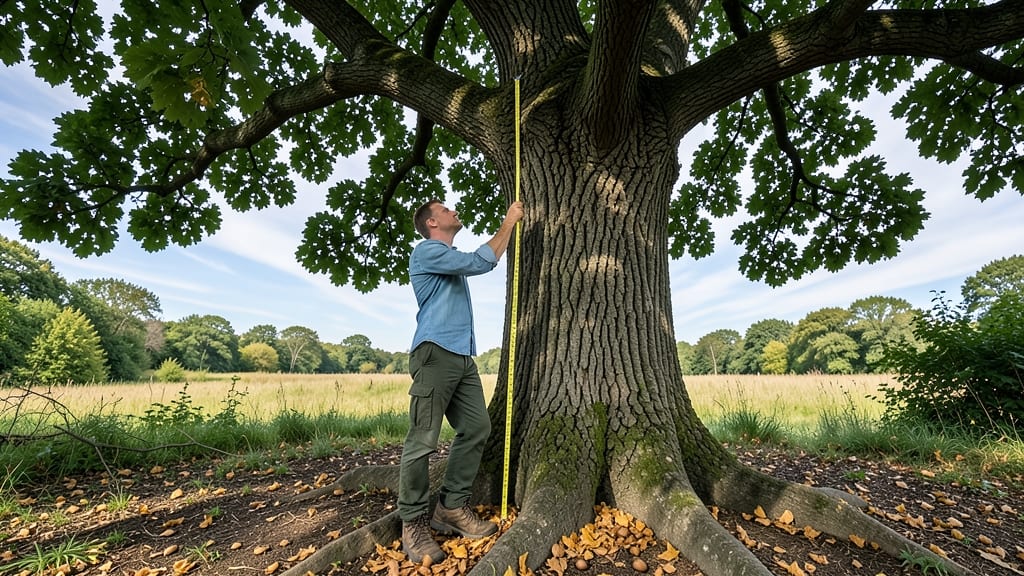
How tall does an oak tree grow? The answer depends on the species and growing conditions—with some reaching 100 feet or more, turning them into a lifelong investment in your landscape.
If you’ve ever dreamed of a towering oak tree shading your backyard—or wondered why some oaks stretch toward the sky while others stay modest—you’re not alone. Oak trees aren’t just symbols of strength; their height can vary dramatically by species, climate, and care.
From the towering giants of North America to the compact urban oaks, we’ll uncover the skyward limits of these majestic trees and how to nurture them for maximum growth. Whether you’re planning a long-term garden or fitting one into a small yard, understanding their growth habits is key.
Here’s what you’ll discover: the fastest-growing oak species, how to maximize height without sacrificing health, and practical tips for spacing, soil, and pruning to get the results you want.


Oak tree height by species: from dwarfs to sky-scraping giants
Oak trees are nature's skyscrapers, but their mature heights can differ by 50 feet or more depending on the species. Whether you're planning a backyard canopy or an urban landscape, knowing these height ranges helps you choose the perfect oak for your space.
Some species reach 100 feet while others stay compact—here's how they stack up.
Climate plays a huge role in oak tree growth. Southern live oaks thrive in humid coastal regions while bur oaks dominate northern hardiness zones. Even within the same species, soil quality and sunlight exposure can push a tree toward its upper height limit or keep it shorter.
Let's explore the extremes!
🌳 Comparison Table: Oak Tree Heights by Species
The white oak stands as America's tallest native oak, with some specimens reaching 180 feet in ideal conditions. These giants need well-drained soil and full sunlight to reach their potential. In contrast, live oaks grow more slowly but develop wide canopies perfect for shade gardens.
Red oaks grow faster than white oaks but typically stay shorter. Their 1.5-2.5 ft/year growth rate makes them great for gardeners who want quicker shade solutions. The bur oak, with its distinctive warty bark, thrives in cold climates and can live for centuries while reaching 75 feet.
For urban gardeners, the pin oak offers a balance—growing 2-3 feet per year while staying under 70 feet. Its compact form makes it ideal for smaller yards, though it requires regular pruning to maintain shape. All oaks need 6+ hours of sunlight daily for optimal growth.
Soil quality dramatically affects height potential. Clay-heavy soils can stunt growth by 30-50% compared to loamy soils. Amending with compost and organic matter helps maximize a tree's natural height. In drought-prone areas, deep watering during establishment can push a tree toward its upper height limit.
Climate also determines which species thrive. Southern live oaks dominate humid coastal regions while bur oaks excel in northern hardiness zones. Even within the same species, elevation changes can affect height by 10-20 feet.
For example, a white oak in mountain regions may only reach 60 feet compared to 100 feet in lowland areas.
If you're planting near power lines or buildings, consider dwarf varieties like the Chinese evergreen oak, though true dwarf oaks are rare. Most "dwarf" oaks are simply slow-growing cultivars that reach 20-30 feet at maturity. Always check local regulations before planting tall species near structures.
For maximum height, plant oaks in early spring when roots can establish before summer heat. Mulch heavily around the base to retain moisture and encourage deep root growth. Remember: patience is key—oaks grow slowly but live for centuries, becoming living monuments in your landscape.
Fastest-growing oak species: how to maximize height in your garden
If you want a towering oak that grows quickly, your best bets are pin oak and willow oak—both known for their rapid vertical growth compared to slower species. While most oaks take decades to reach their full height, these varieties can gain 3-5 feet annually under ideal conditions.
The key lies in soil prep, watering consistency, and strategic pruning without stunting long-term health.
For gardeners with limited space, water oak and laurel oak offer a middle ground, growing 2-4 feet per year while staying slightly more compact. However, their full potential depends on sun exposure and root zone conditions.
Even the fastest oaks need patience—expect 10-15 years before they cast significant shade. Let’s explore how to push their growth limits without sacrificing longevity.
To maximize growth, start with well-draining, slightly acidic soil (pH 5.0-6.5). Amend clay soils with compost or peat moss to improve aeration—root-bound trees grow 20% slower. Plant in full sun (6+ hours daily) and water deeply 2-3 times per week during the first year.
Avoid overhead sprinklers, which can cause fungal diseases like oak wilt.
Pruning plays a critical role. Remove dead or crossing branches in late winter, but avoid heavy pruning in summer, which stresses the tree. For height control, limit pruning to the top 10% of the canopy—removing too much can trigger excessive water sprouts.
Use sterilized tools to prevent disease spread between cuts. Mulch with wood chips (3-4 inches deep) to retain moisture and regulate soil temperature.
Location matters just as much as care. Plant pin oaks and willow oaks in open areas with 10+ feet of clearance from structures—their wide canopies need space to develop. For urban gardens, laurel oaks are ideal, tolerating compacted soil and occasional drought.
Always check local regulations before planting near power lines or sidewalks, as mature oaks can cause root damage to infrastructure.
Remember, even the fastest oaks take time. A pin oak might reach 40 feet in 15 years, but its full 70-foot potential takes decades. The secret to rapid growth isn’t shortcuts—it’s consistent care and patience.
With the right species and conditions, your backyard could be shading a future generation in no time.