
How To
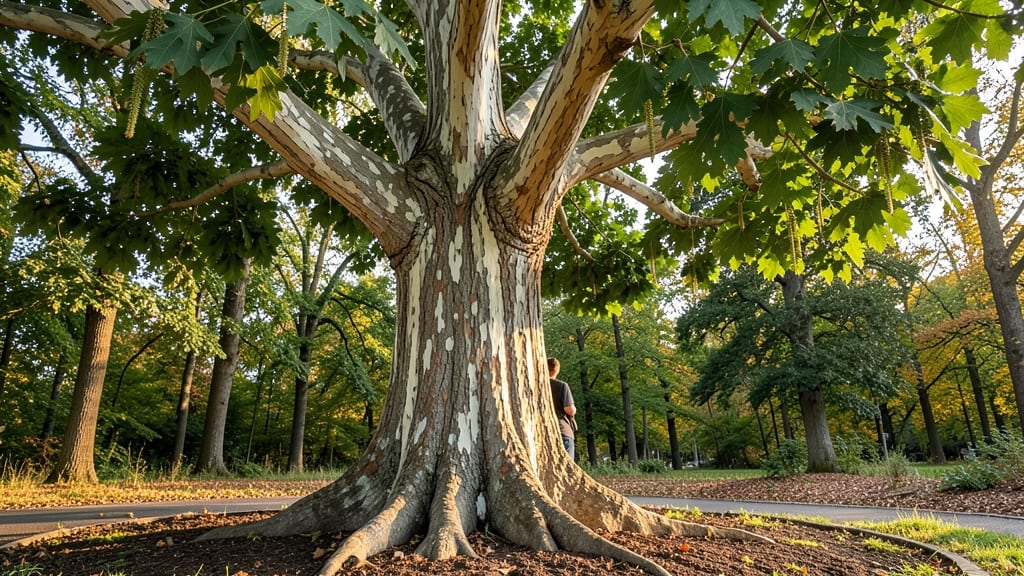
A sycamore tree can how tall can a sycamore tree grow to heights of 60 to 120 feet, towering over homes and skylines like a living monument 🌳—but whether yours hits that mark depends on the species, soil, and a little luck with the weather.
Picture this: a London Plane stretching its branches toward the clouds, or an American Sycamore racing upward at 3 to 5 feet per year when conditions are perfect. That kind of growth isn’t just about time—it’s about giving your tree the right space, sunlight, and care from day one.
If you’re dreaming of a sycamore that shades your backyard for generations, you’ll want to know which varieties grow fastest, how to spot early signs of stunted growth, and when to prune to encourage that vertical climb. Here’s how to set yours up for sky-high success.
From choosing the right spot to managing its long-term health, we’ll cover the secrets behind sycamore height—so you can decide if this giant is the right fit for your landscape.


Sycamore tree height by species: from towering giants to compact varieties
Sycamore trees are nature’s skyscrapers, with some varieties reaching heights that dwarf even the tallest buildings. The American Sycamore (Platanus occidentalis) often tops out at 70-100 feet, while the London Plane (Platanus × acerifolia) can climb to 90-120 feet under ideal conditions.
These giants aren’t just tall—they grow fast, adding 3-6 feet per year when young, and their massive canopies create shade for entire neighborhoods. But not all sycamores are created equal: some stay shorter, making them perfect for smaller properties.
Choosing the right species is key if you want a sycamore that fits your space. The Oriental Plane (Platanus orientalis) typically maxes out at 60-80 feet, while hybrid varieties like ‘Bloodgood’ London Plane can reach 100 feet with proper care.
Even in urban settings, sycamores thrive, but their height depends on pruning, soil quality, and sunlight exposure. Let’s break down the tallest (and shortest) sycamores so you can pick the perfect match for your yard.
🌳
The London Plane is the undisputed champion of sycamore height, often surpassing 100 feet in ideal conditions. This hybrid thrives in cities like London (hence the name) and New York, where its pollution tolerance and disease resistance make it a favorite for urban planting.
If you’re dreaming of a tree that feels like a cathedral canopy, this is your best bet—but be prepared for a 100-foot bill in terms of space and maintenance.
For smaller spaces, the ‘Laciniata’ Sycamore offers a more manageable 50-70 feet while still delivering that iconic sycamore drama. Its finger-like leaves add texture, and it grows at a slower pace, making it easier to control with pruning.
If you love sycamores but don’t have acres to spare, this variety lets you enjoy the benefits—shade, wildlife habitat, and stunning bark—without sacrificing your lawn.
Climate plays a huge role in how tall your sycamore will grow. In USDA Zones 5–8, sycamores thrive, but those in Zone 9 or hotter climates may grow taller due to longer growing seasons.
Meanwhile, sycamores in cooler Zones 4–5 might max out at 60-80 feet unless given extra care, like mulching and winter protection. Soil drainage is critical too—waterlogged roots stunt growth, so plant in well-draining soil or slightly elevated areas.
🌿
If you’re planting a sycamore for height, prioritize full sun exposure (at least 6 hours daily) and avoid over-pruning the top. Sycamores grow fastest when their central leader is left unobstructed. For faster height gains, fertilize in early spring with a balanced 10-10-
Climate zones & growing conditions: what makes a sycamore reach its full height?
A sycamore’s skyward journey depends heavily on its climate zone and growing conditions. These trees thrive in USDA hardiness zones 5 through 9, where they can reach their full height potential of 60 to 120 feet.
In warmer zones like 8 or 9, sycamores grow faster and taller, while cooler zones (5-6) may see slightly slower but still impressive vertical growth. The right mix of sunlight, soil, and water can push a sycamore toward the upper end of this range.
For gardeners in Zone 7, for example, the London Plane (Platanus × acerifolia) often hits 80-100 feet with ideal care, while American Sycamores (Platanus occidentalis) in Zone 6 might max out around 70-90 feet.
The difference? Temperature, rainfall, and soil quality all play critical roles in determining how tall your sycamore will grow.
⚠️ Warning: Common Mistakes That Stunt Sycamore Growth
Poor drainage is the #1 growth killer—sycamores hate soggy roots. Plant in well-draining soil with a sandy or loamy mix to avoid root rot. Over-pruning also stunts height; remove only dead or crossing branches, never more than 25% of the canopy at once. Underwatering young trees slows growth too—deep waterings every 7-14 days in the first year are non-negotiable.
Sunlight is another game-changer. Sycamores need full sun (6-8+ hours daily) to reach their maximum height. In shady conditions, growth slows dramatically, and the tree may stay 20-30 feet shorter than its potential.
If you’re in a Zone 8-9 area with partial shade, consider pruning nearby trees to open the canopy and give your sycamore room to stretch.
Soil type matters just as much as sunlight. Sycamores prefer moist but well-drained soil with a slightly acidic to neutral pH (6.0-7.5). Heavy clay soils can suffocate roots, while sandy soils may require extra watering.
Amending with compost or organic matter improves drainage and nutrient uptake, helping your tree grow taller faster. Test your soil before planting—pH imbalances can stunt growth by up to 40%.
Water availability is the final piece of the puzzle. Young sycamores need consistent moisture to establish deep roots, but mature trees are drought-tolerant once established. In arid zones (like parts of Zone 9), mulching with 3-4 inches of wood chips retains moisture and encourages faster height growth.
Avoid overwatering, though—waterlogged roots can kill a sycamore in as little as 2-3 years.
For gardeners in cooler zones (5-6), focus on spring feeding with a balanced fertilizer (10-10-10) to boost early growth. In warmer zones (7-9), prioritize deep watering during dry spells and prune in late winter to encourage new vertical growth.
With the right conditions, your sycamore could easily hit 100 feet—or even surpass it in ideal climates.
Remember: patience is key. Sycamores grow 1-3 feet per year when conditions are perfect, so a 100-foot tree takes 30-50 years to mature.
But with the right climate zone, soil prep, and care routine, you’ll be rewarded with a stately giant that defines your landscape for generations. 🌳