
How To
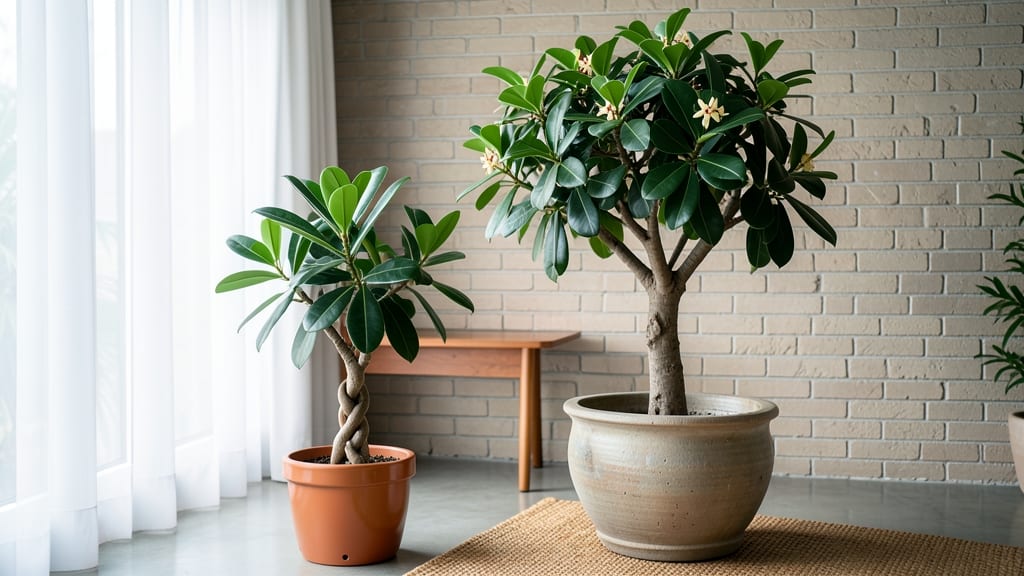
A money tree can grow up to 10 feet tall indoors with the right care, but most varieties stay between 6 and 8 feet—unless you’re growing a braided or standard type.
Picture this: your cozy living room suddenly feels like a jungle, with your once-charming Money Tree 🌿 stretching toward the ceiling. It’s not just a matter of time—it’s about variety, pruning, and how much light it gets.
Some types, like the dwarf variety, max out at 4 feet, while others can become a full-grown statement piece.
If you’re wondering whether your Money Tree will outgrow its welcome, the good news is that you can control its height with simple techniques. Pruning, proper pot size, and even where you place it in your home make all the difference.
Below, I’ll break down how to keep it at your ideal height—whether you want a compact tabletop plant or a towering indoor tree.
You’ll also learn the most common mistakes that turn a manageable Money Tree into a space hog, plus how to encourage bushier growth so it stays lush and full. Let’s get started!


Money tree height limits by variety: small, medium, and towering options
Choosing a money tree (Pachira aquatica) often comes down to one key question: how tall can money tree grow in my home? The answer depends entirely on the variety you select.
Some stay compact, perfect for small apartments, while others can become towering indoor trees. Understanding these differences helps you pick the right plant for your space and lifestyle.
Genetics play the biggest role in determining your money tree’s mature height. Dwarf varieties stay under 4 feet tall, while standard types can reach 10 feet indoors.
Even within the same variety, growth rates vary based on care—light levels, pruning habits, and container size all influence how quickly your plant climbs toward the ceiling. Let’s break down your options so you can choose wisely.
| Variety | Mature Height (Indoors) | Growth Rate | Best For |
|---|---|---|---|
| Dwarf Varieties | 2–4 feet | Slow to moderate | Small spaces, offices, apartments |
| Standard Varieties | 6–10 feet | Moderate to fast | Living rooms, entryways, larger homes |
| Braided Varieties | 4–8 feet | Moderate | Statement pieces, decorative displays |
| Mini Money Trees | 1–3 feet | Slow | Desks, shelves, terrariums |
If you’re working with limited ceiling height, dwarf varieties are your best bet. These stay under 4 feet tall even with optimal care, making them ideal for desks, shelves, or small apartments.
Their slower growth rate also means less frequent pruning—perfect if you prefer low-maintenance plants. Just be aware that even dwarf types can stretch taller if given too much light or nutrients.
For those with higher ceilings or open-concept spaces, standard money trees make striking centerpieces. These can easily reach 10 feet indoors if left unpruned, but their lush foliage and sturdy trunks add dramatic flair to living rooms or hallways.
The trade-off? You’ll need to plan for their eventual height and consider pruning to maintain manageable proportions.
Braided money trees often fall into the medium-height category, typically growing between 4–8 feet tall. Their unique braided trunks make them conversation starters, but their growth rate is slower than standard varieties.
This means you can enjoy their decorative appeal for years without worrying about them becoming unwieldy. Just remember: the braiding process itself doesn’t restrict height—it’s purely aesthetic.
One common misconception is that all money trees grow at the same rate. In reality, container size plays a huge role. Smaller pots restrict root growth, which naturally limits how tall your plant can become.
If you want a compact money tree, choose a 10–12 inch pot and avoid upgrading to larger containers. Conversely, larger pots encourage faster, taller growth—so if you’re aiming for a ceiling-height specimen, opt for a 16–18 inch container from the start.
Light exposure also affects height. Money trees grown in bright indirect light tend to stretch taller as they reach for more sunlight. To keep your plant proportionate, place it near a north-facing window where it gets gentle morning light.
Avoid south-facing windows unless you’re prepared for rapid vertical growth. Rotate your plant occasionally to ensure even light exposure on all sides.
Pruning is the easiest way to control your money tree’s height. You can top the plant at any time to encourage bushier growth, and the cuttings can even be propagated for new plants. For braided varieties, prune just above a leaf node to maintain the braided effect.
Regular pruning not only keeps your money tree at your desired height but also promotes denser foliage and a fuller appearance.
Before bringing your money tree home, measure your space carefully. A 6-foot tall plant needs at least 7–8 feet of ceiling height to avoid looking cramped. If you’re unsure, start with a dwarf variety and upgrade later if you fall in love with the plant’s growth.
Remember: money trees are adaptable, and with the right care, you can guide their growth to fit your home perfectly.
🌿
How to control money tree height: pruning, training, and growth hacks
Your money tree (Pachira aquatica) can grow into a stunning indoor statement piece, but without proper care, it may quickly outgrow its space. The key to managing its height lies in strategic pruning, training techniques, and understanding its natural growth patterns.
With the right approach, you can keep your money tree at your desired height while maintaining its health and vibrancy.
Unlike some plants that respond poorly to pruning, money trees thrive when you guide their growth. Whether you want a compact dwarf variety or a controlled standard-sized tree, pruning at the right time and using proper techniques will give you the results you want.
Let’s explore how to keep your money tree from becoming a ceiling-bound giant.
- Step 1: Choose the Right Time to Prune
Prune your money tree during its active growing season (spring or early summer). Avoid pruning in fall or winter when growth slows down.
- Step 2: Use Clean, Sharp Pruning Shears
Always use sterilized pruning shears to make clean cuts just above a leaf node. This prevents disease and encourages new growth.
- Step 3: Prune for Bushier Growth
Cut back 1/3 of the top growth to encourage branching. This creates a fuller, more compact shape instead of a single tall stem.
- Step 4: Try Air-Layering for New Plants
Wrap a moist sphagnum moss around a stem and secure it with plastic wrap. Once roots form, cut below the moss and repot.
- Step 5: Support Tall Growth with a Stake
If your money tree is top-heavy, use a bamboo stake for support. Tie the stem gently to keep it upright without restricting growth.
- Step 6: Avoid Over-Pruning
Never remove more than 30% of the foliage at once. Over-pruning can stress the plant and slow its recovery.
One common question is whether topping your money tree affects its overall health. The short answer is no—when done correctly, topping stimulates new growth and can make your plant bushier.
However, if you over-prune or use dull tools, you risk damaging the plant. Always aim for clean cuts just above a leaf node to promote healthy regrowth.
For those with braided money trees, pruning requires extra care. Avoid cutting the braids themselves—focus on trimming the new growth between the braids to maintain their shape. If your braided tree becomes too tall, consider air-layering a section to create a new, smaller plant while keeping the original intact.
With these growth hacks, you can keep your money tree at the perfect height for your space. Whether you prefer a compact desk plant or a floor-standing statement piece, the key is consistency in pruning and training. Start small, observe how your plant responds, and adjust as needed.
Remember, the health of your money tree comes first. If you notice yellowing leaves or slow growth after pruning, it may be a sign of stress. Adjust your approach and give your plant time to recover—it’ll thank you with lush, vibrant foliage for years to come. 🌿