
Pruning
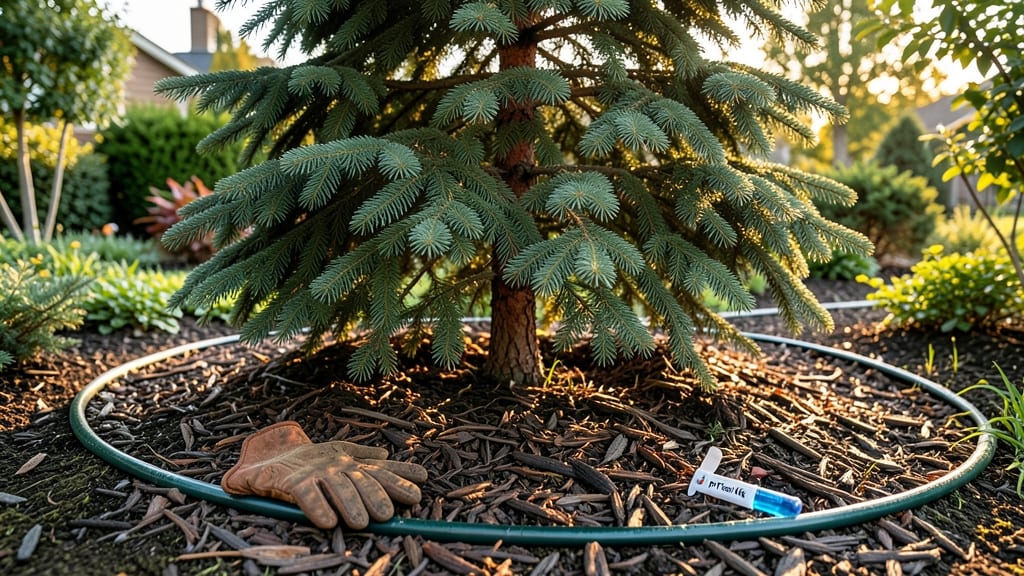
Caring for a hemlock tree means keeping its signature feathery branches lush and its needles vibrant year after year. 🌲 The key is understanding how these shade-loving evergreens respond to pruning, water, and seasonal changes—because the right approach transforms a struggling tree into a disease-resistant, long-lived centerpiece of your landscape.
Hemlocks thrive with partial shade, well-draining soil, and moderate moisture, but they hate soggy roots or heavy pruning. I’ve seen Eastern and Western varieties recover beautifully when pruned correctly in late winter or early spring, just as new growth begins.
The goal is to remove dead branches, open the canopy for airflow, and shape it without stressing the tree.
With proper care, your hemlock will develop a thicker, denser crown while resisting common pests like woolly adelgid. Prune strategically—never more than 25% of the canopy at once—and fertilize lightly in early spring to encourage strong, healthy growth.
The payoff? A tree that stays green, sturdy, and stunning for decades.
Whether you’re dealing with a young sapling or a mature specimen, the techniques here work for both Eastern and Western hemlocks. Let’s get into the specifics—because a well-maintained hemlock is one of the most rewarding shade trees you can grow.
📚 In This Guide
- What you need
- Instructions
- Tips and common mistakes
- Wrapping up and next steps
What you need
- ● Pruning Shears: Bypass pruners (sharp, 4-6 inch blades) for small branches.
- ● Loppers: 20-24 inch for thicker branches (½–1½ inch diameter).
- ● Pruning Saw: Curved-tooth saw for branches 1½+ inches thick.
- ○ Hand Pruners: Anvil-style for quick cuts (optional for small tasks).
- ● Ladder: Aluminum extension ladder (16–24 ft) with non-slip feet and sturdy base.
- ● Work Gloves: Heavy-duty, cut-resistant (e.g., Mechanix or similar).
- ● Safety Goggles: ANSI-rated to protect from debris.
- ● Disposable Pruning Bags: 10–20 gallon capacity for debris collection.
- ● Rubbing Alcohol (70%+) or Bleach Solution: 1 part bleach to 10 parts water for sterilizing tools.
- ○ Tree Wound Dressing: Pruning sealant (optional) for large cuts.
- ● Pole Pruner: 10–16 ft for high branches (avoids ladder use).
- ● Tree Stake & Ties: For young/saplings if stabilizing is needed.
- ● Fungicide: Copper-based or systemic for disease-prone areas.
- ● Hose with Nozzle: For rinsing tools and cleaning sap.
- ● First Aid Kit: Basic supplies for minor cuts.
Step-by-Step guide to hemlock tree care through the seasons
Hemlocks thrive when you work with—not against—their natural growth patterns. Here’s how to keep them healthy year-round.
🌿 Step 1: Assess and Plan Your Pruning Schedule
Hemlocks benefit from three pruning sessions per year: late winter (before buds swell), early summer (after new growth hardens), and fall cleanup (remove dead branches). I always start by examining the tree from all angles—look for crossing branches, dead wood, or limbs rubbing against each other. These are the first to go, as they create entry points for pests and diseases like woolly adelgid, a major hemlock threat.
Use a pruning saw or loppers for branches thicker than ½ inch, and bypass pruners for smaller limbs. Never remove more than 25% of the canopy in a single session—this stresses the tree and invites disease. Mark your cuts with a white spray paint (if pruning in stages) to avoid over-trimming accidentally.
☀️ Step 2: Late Winter Pruning for Structure and Airflow
In late winter (February-March), focus on structural pruning to shape the tree and improve light penetration. Start by removing dead, diseased, or broken branches—these are easy to spot as they’re often brown, brittle, or lack needles. Cut back to the collateral bud (a side bud) or the branch union to encourage healthy regrowth.
Next, thin out overcrowded branches to reduce humidity inside the canopy, which prevents fungal issues. Aim for 6-12 inches of space between branches. Hemlocks naturally grow in a conical shape, so avoid heavy topping—this creates unsightly stubs and weak growth. If you must reduce height, make cuts just above a lateral branch to maintain the tree’s form.
💧 Step 3: Summer Maintenance to Encourage New Growth
In early summer (June-July), inspect the tree for new growth and pest activity. Look for woolly adelgid (tiny cottony clusters on branches) or spider mites (fine webbing between needles). If you spot pests, treat immediately with neem oil or horticultural oil—hemlocks are particularly vulnerable to these invaders.
Lightly prune to thin the lower canopy, allowing sunlight to reach the ground and discourage moss growth. Avoid heavy pruning now—the tree is actively growing, and cuts won’t heal as cleanly. Water deeply if your region experiences drought conditions, as hemlocks prefer consistently moist soil but hate soggy roots. Mulch with 2-3 inches of organic material (like wood chips) to retain moisture and regulate soil temperature.
✂️ Step 4: Fall Cleanup and Disease Prevention
In fall (October-November), focus on sanitation to prevent winter diseases. Remove all dead branches, fallen needles, and debris from the base of the tree—this reduces hiding spots for pests and fungal spores. Sterilize your pruning tools with rubbing alcohol between cuts to avoid spreading pathogens.
If you notice yellowing needles (a sign of hemlock woolly adelgid or root rot), address the issue immediately. For adelgid, apply systemic insecticides in early fall before eggs hatch. For root rot, improve drainage by amending the soil with compost and avoiding overwatering. Hemlocks are shade-tolerant but still need well-draining soil—compacted or waterlogged roots lead to decline.
⏰ Step 5: Year-Round Monitoring for Early Intervention
Hemlocks are low-maintenance once established, but proactive care keeps them thriving. Check the tree monthly for signs of stress: drooping branches, discolored needles, or excessive sap. These are early warnings of pests, disease, or environmental issues—acting quickly saves the tree.
Fertilize lightly in early spring with a balanced, slow-release fertilizer (10-10-10) if the soil is poor. Over-fertilizing burns roots and attracts pests. Hemlocks also appreciate acidic soil (pH 4.5-6.0)—test your soil annually and amend with sulfur or peat moss if needed. With consistent care, your hemlock will stay dense, disease-resistant, and lush for decades.
Tips & tricks for perfect hemlock tree care
Mastering hemlock maintenance means understanding their unique growth habits—and avoiding common pitfalls that can stress these delicate evergreens.
Seasonal Timing is Everything: The three pruning sessions outlined in Step 1—late winter, early summer, and fall—are non-negotiable for hemlock health. Late winter (February-March) is when you should focus on structural pruning because the tree is dormant, making it less vulnerable to stress. Early summer (June-July) is for light maintenance only—hemlocks are actively growing, and heavy pruning now can stimulate weak, water-sprout growth. Fall cleanup prevents winter diseases by removing hiding spots for pests like woolly adelgid, which overwinter in fallen needles.
Tool Selection Makes the Difference: Using the right tool for each branch size is critical. For branches thicker than ½ inch, a pruning saw or loppers are essential—they provide the leverage needed to make clean cuts without tearing the bark. For smaller limbs, bypass pruners are ideal because their sharp blades create precise cuts that heal better. I always sterilize my tools between cuts with rubbing alcohol (Step 4) to prevent spreading fungal spores or bacterial infections. This simple step can mean the difference between a healthy tree and one struggling with disease.
Visual Cues Over Guessing: When pruning, don't rely on time or memory—use visual and tactile cues instead. In Step 2, look for branches that are brown, brittle, or lack needles; these are dead and should be removed immediately. For thinning branches, gently shake them—if they release clouds of dust or have hollow centers, they're no longer viable. The 6-12 inch spacing recommendation isn't arbitrary; it creates airflow that reduces humidity in the canopy, which is crucial for preventing fungal issues like needle blight. Think of it as creating a "breathable" space for your tree.
Soil and Mulch Strategy: Hemlocks prefer consistently moist but well-draining soil, and the 2-3 inches of organic mulch mentioned in Step 3 is your best friend for moisture retention. I recommend using wood chips or pine bark mulch because they slowly decompose, adding organic matter to the soil over time. Avoid piling mulch directly against the trunk—this can create a moist environment that encourages rot. Instead, create a 2-3 inch layer that extends outward from the drip line of the tree, tapering off as it reaches the trunk. This setup mimics the natural forest floor environment hemlocks thrive in.
Pro Tips for Hemlock Tree Care
- Mastering hemlock maintenance means understanding their unique growth habits—and avoiding common pitfalls that can stress these delicate evergreens.
- Seasonal Timing is Everything: The three pruning sessions outlined in Step 1—late winter, early summer, and fall—are non-negotiable for hemlock health.
- Tool Selection Makes the Difference: Using the right tool for each branch size is critical.
Frequently asked questions
Got questions about keeping your hemlock healthy?
Here are answers to the most common concerns—from pruning tips to pest troubleshooting—so you can nurture a thriving tree all year round.
When is the best time to prune my hemlock tree?
Prune your hemlock in late winter or early spring (February–March) to remove dead or diseased branches before new growth starts. Avoid heavy pruning in fall, as it can stress the tree before winter. Light maintenance (like removing broken limbs) can be done year-round, but prioritize dormant-season work for major shaping.
How do I tell if my hemlock is diseased?
Watch for yellowing needles, brown tips, or webbing (signs of spider mites or woolly adelgid). Woolly adelgid leaves cotton-like clusters on branches—treat with horticultural oil or insecticidal soap. For root rot, check for mushrooms at the base and improve drainage. If in doubt, consult a local arborist for a diagnosis.
Can I prune too much of my hemlock?
Yes! Hemlocks are sensitive to over-pruning—never remove more than 10–15% of the foliage at once. Heavy cuts can stress the tree, making it vulnerable to pests or disease. Focus on selective thinning to improve airflow and sunlight penetration, especially in dense canopies.
Are there alternatives to hemlocks for shade and year-round greenery?
If hemlocks aren’t ideal for your climate, consider eastern white pine, arborvitae, or Colorado blue spruce for similar evergreen shade. For low-maintenance options, dwarf Alberta spruce or inkberry holly thrive in partial shade. Always check your zone’s hardiness ratings before planting!
What’s the easiest way to prevent woolly adelgid infestations?
Start with regular inspections (check undersides of branches monthly). Apply horticultural oil in early spring or late fall to smother eggs. Introduce beneficial insects like ladybugs or use systemic insecticides for severe cases. Prune infested branches below the damage to slow spread.
| Quick Fix? | Action |
|---|---|
| Yellowing needles | Check watering (over/under) + test soil pH (ideal: 4.5–6.0) |
| Brown tips | Trim affected branches + increase humidity (mulch base) |
| Slow growth | Fertilize with acid-loving plant food in early spring |
Wrapping up and next steps
Caring for your hemlock tree doesn’t have to be overwhelming—with the right techniques, you can keep it thriving year-round! 🌿 From seasonal pruning to pest prevention, consistency is key to fostering healthy, disease-resistant growth. Remember, a little effort now saves big headaches (and tree stress) later.
Ready to give your hemlock the love it deserves? Start small: grab your tools, follow the steps you’ve learned, and observe your tree’s progress. Over time, you’ll build confidence—and maybe even turn pruning into a rewarding seasonal ritual. Happy gardening!