
Pruning
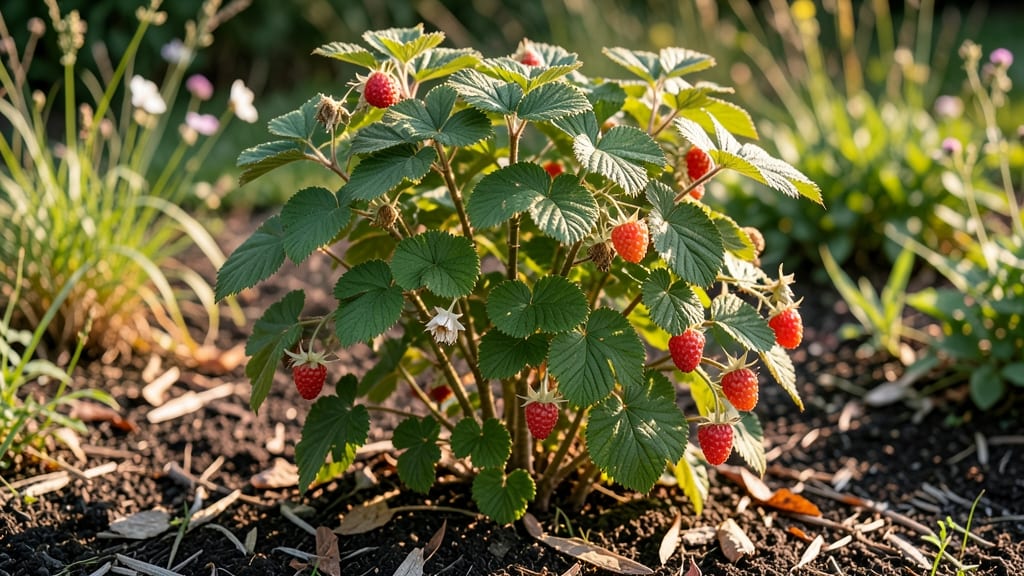
Mastering raspberry tree care that yields fruit year after year boils down to 4 simple pruning rules that transform tangled thickets into productive bushes. ✂️ I’ve pruned raspberries for over a decade, and these four steps—done at the right time—mean the difference between a handful of berries and buckets of them.
The key isn’t complexity; it’s timing and focus.
Start by identifying last year’s canes (the ones that bore fruit) and this year’s new growth. The first rule? Cut the old canes to the ground in early spring—this clears space for new canes to thrive.
The second rule flips the script: never prune the new canes until they’ve fruited, then remove them in late winter. This two-year cycle keeps your bushes balanced and productive without overcrowding.
What you’ll end up with is a raspberry patch that looks like a well-managed orchard, not a jungle. The canes stay strong, the fruit comes in heavy clusters, and you spend less time wrestling with tangled branches.
Even in small spaces, these rules work—my urban backyard produces enough berries to share with neighbors.
This system works for both summer-bearing and fall-bearing varieties, and it’s foolproof once you get the hang of it. The payoff? Raspberries that keep producing for years with minimal effort. Let’s get those pruners sharp and turn your bushes into a berry bonanza.
📚 In This Guide
- What you need
- Instructions
- Tips and common mistakes
- Wrapping up and next steps
What you need
- ● Pruning shears: Bypass pruners (sharp, clean, and not dull!) – 1 pair (for small branches).
- ● Loppers: For thicker branches (½" to 1.5" diameter) – 1 pair (with long handles for leverage).
- ● Hand saw: Pruning saw with a fine-toothed blade (for stubborn, thick stems) – 1.
- ● Gloves: Heavy-duty gardening gloves (to protect from thorns and debris) – 1 pair.
- ● Disinfectant: 70% isopropyl alcohol or a 10% bleach solution (to sterilize tools between cuts).
- ● Rake: Sturdy garden rake (for clearing debris post-pruning) – 1.
- ● Compost or mulch: Organic matter (e.g., straw, wood chips) – 5–10 gallons (for post-pruning soil health).
- ● Pruning sealant: Wound dressing (for large cuts, though raspberries often heal fine without it).
- ● Labeling tags: If you’re pruning multiple varieties, mark them to avoid confusion!
- ● Knee pads: For comfort during long pruning sessions.
- ● Watering can or hose: To hydrate the tree after pruning (especially in dry climates).
How to prune raspberry trees for maximum fruit production
Here's the straightforward approach I use to keep my raspberry trees healthy and productive—no complicated rules, just four key steps.
✂️ Step 1: Identify and Remove Dead or Diseased Canes
Start by inspecting your entire raspberry patch in early spring, before new growth begins. Look for canes that are brown, shriveled, or hollow at the base—these are dead or diseased and need removal. I grab each cane at the base and give it a gentle tug; if it comes out easily, it's dead. Healthy canes will resist slightly.
Use clean, sharp pruners to cut these canes at ground level. Don't leave stubs—they can harbor pests or diseases. I always sterilize my pruners with rubbing alcohol between cuts to prevent spreading any potential infections. This step ensures your tree focuses its energy on strong, healthy canes.
✂️ Step 2: Thin Out Crowded Canes for Better Airflow
Raspberry trees produce fruit on second-year canes, so you want to maintain a balance between last year's fruiting canes and this year's new growth. Aim to leave about 8-10 healthy canes per plant—this gives them room to grow without competing for nutrients. I start by removing the thinnest, weakest canes first, then work my way to the thicker ones.
If you have too many canes, prioritize removing those that are crossing or rubbing against each other. This prevents damage and improves airflow, which reduces the risk of fungal diseases. You'll notice the remaining canes stand straighter and look more vigorous after thinning.
✂️ Step 3: Prune for Shape and Fruit Production
Once you've removed the dead and crowded canes, focus on shaping the plant. I like to keep the center of the plant open to allow sunlight to reach all canes. Cut back any canes that are growing inward or crossing the center. For established plants, I also trim the tips of last year's fruiting canes by about 1/3 to encourage bushier growth and more fruit.
This is also the time to remove any suckers—those thin, fast-growing shoots that sprout from the base. While they might look like new canes, they divert energy from your main plant. Cut them off at the base with your pruners. You'll see a noticeable difference in the plant's overall health after this step.
⏰ Step 4: Summer Pruning for Ongoing Maintenance
After the initial spring pruning, keep an eye on your raspberry trees throughout the growing season. In early summer, remove any canes that have produced fruit—these are now spent and won't fruit again. Cut them off at the base to redirect the plant's energy to the new canes that will fruit next year.
Also, watch for any canes that are growing too close together or becoming overcrowded. Thin them out as needed to maintain that 8-10 cane limit. This ongoing maintenance ensures your raspberry tree stays productive and healthy. By the time fall rolls around, you'll have a well-shaped, disease-free plant ready for winter.
Tips & tricks for perfect raspberry tree maintenance
Here's what nobody tells you about keeping raspberry trees thriving—these are the tricks that make all the difference between a decent harvest and a bountiful one.
Timing Secret: Early spring is the absolute best time to tackle Step 1 because that's when new growth hasn't started yet. I've learned this the hard way—if you wait until leaves appear, you risk cutting back next year's fruiting canes by mistake. The dormant season is your window for precision pruning.
Tool Upgrade: Don't just grab any pruners! Invest in a good pair of bypass pruners—they make cleaner cuts that heal faster. I also keep a small bottle of rubbing alcohol handy to sterilize between cuts, especially when dealing with diseased canes. This simple step prevents spreading infections to healthy parts of your plant.
Visual Cue for Step 3: When you're shaping your plant in Step 3, look for canes that form a "V" shape with the center of the plant. These are the ones to cut back—they're blocking sunlight from reaching the inner canes. Think of it like giving your plant a haircut that opens up the center for better airflow and light exposure.
Ongoing Maintenance Tip: Mark your calendar for early summer pruning—right after your raspberries finish fruiting. This is when you remove the spent canes that won't produce again. I tie a bright ribbon around the canes I've identified for removal to make them stand out during my summer checks.
Pro Tips for Raspberry Tree Care
- Here's what nobody tells you about keeping raspberry trees thriving—these are the tricks that make all the difference between a decent harvest and a bountiful one.
- Timing Secret: Early spring is the absolute best time to tackle Step 1 because that's when new growth hasn't started yet.
- Tool Upgrade: Don't just grab any pruners!
Frequently asked questions
Got questions about keeping your raspberry tree happy and productive? You’re not alone—raspberry care can feel tricky, especially when it comes to pruning, pests, or seasonal shifts. Below, we’ve rounded up the most common queries (and answers!) to help you troubleshoot like a pro.
When is the best time to prune raspberry trees?
For summer-bearing varieties, prune immediately after harvest (late summer/early fall) to remove old canes. For fall-bearing types, prune in late winter or early spring before new growth starts. Never prune in fall for fall-bearing raspberries—this removes next year’s fruit!
How do I tell the difference between old and new raspberry canes?
Old canes are wooden, brown, and hollow (they’ve borne fruit last year). New canes are green, flexible, and solid (this year’s growth). Keep 5–7 of the healthiest new canes each year—old canes produce fewer berries and drain energy. Pro tip: Snap a cane—if it’s brittle, it’s old!
What should I do if my raspberry tree has pests or diseases?
Common issues include spider mites, aphids, or fungal diseases (like cane blight). Start with neem oil or insecticidal soap for pests. For diseases, remove infected canes immediately and space plants for airflow. Avoid overhead watering to prevent fungal spread. Prevention tip: Mulch with straw and prune for airflow!
Do raspberry trees need winter protection?
Young trees or those in Zone 5 or colder benefit from mulch (straw or leaves) piled 6–12 inches high around the base. For extreme cold (<10°F), wrap the crown with burlap or use a frost blanket. Established trees in warmer zones usually thrive without extra help!
Can I grow raspberries in containers or small spaces?
Dwarf varieties like ‘Heritage’ or ‘Boyne’ thrive in 5-gallon containers with well-draining soil. Ensure the pot has drainage holes and place it in full sun (6+ hours/day). Fertilize monthly in growing season and prune like in-ground plants. Containers let you move trees to optimize sunlight!
Why aren’t my raspberries ripening?
Common culprits: too much shade (need 6–8 hours of sun), over-fertilizing with nitrogen (leads to leafy growth, not fruit), or inconsistent watering. Try balanced fertilizer (10-10-10) and water 1–1.5 inches weekly. If birds are the issue, cover with netting at first sign of ripening!
Wrapping up and next steps
Caring for your raspberry tree is all about timing, technique, and a little patience—and you’ve got this! 🌱 By mastering those four simple pruning rules, you’ll ensure a bountiful harvest year after year.
Remember, healthy growth starts with the right tools and a clear plan, so don’t hesitate to revisit the FAQs if you’re ever unsure.
Now that you’re equipped with the know-how, roll up your sleeves and give your raspberry tree the love it deserves! Whether you’re a seasoned gardener or just starting out, every snip brings you closer to a thriving, fruit-filled future. Happy pruning! 🌟