
Pruning
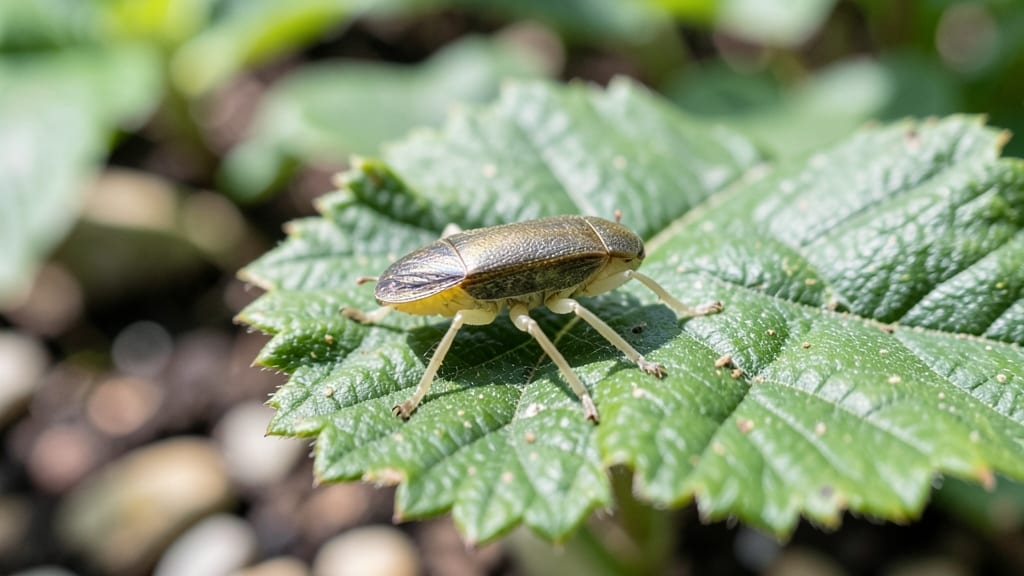
Hackberry trees turn into sticky messes when sap-sucking insects like spider mites and scale take over—leaving behind black sooty mold and weakened branches. 🌳 I’ve battled these pests for years, and the right barrier spray can stop them before they ruin your tree’s health.
The key is acting fast when you spot sticky residue or tiny crawling insects on leaves.
These pests thrive when trees are stressed, so proper watering and pruning make a huge difference. A simple homemade spray with neem oil or insecticidal soap creates a protective shield that suffocates eggs and adults without harming birds or bees.
You’ll see fewer pests within 2-3 weeks of consistent applications, and your tree’s new growth stays lush and healthy.
The real win? Your tree won’t just survive—it’ll bounce back stronger. No more sticky leaves clinging to your car or weak branches snapping in storms. The barrier spray works as both a preventive and a cure, saving you from costly replacements or chemical treatments.
Works for any hackberry tree, whether it’s a mature shade provider or a young sapling. Let’s get your tree back to thriving without the pests.
Root Causes Of Hackberry Invaders
Hackberry trees—with their glossy leaves and sweet berries—are a magnet for insects, but why do these pests target them so aggressively? The answer lies in a mix of nutritional attractants, environmental conditions, and tree vulnerabilities.
Understanding these triggers helps you take precise action to protect your tree. Here’s what’s really drawing those critters in:
Hackberry trees produce high-sugar sap and edible berries, making them a five-star hotel for sap-sucking insects like hackberry nipple gall makers and spider mites. Here’s the science:
- Nipple Galls & Leaf Curling: The Pachypsylla genus (e.g., P. venusta) lays eggs in leaf buds, triggering gall formation. The tree’s sap, rich in sucrose and amino acids, nourishes the larvae, while the curled leaves create a protected nursery. 🌱🐛
- Scale & Mealybugs: These insects pierce bark and leaves to feed on phloem sap—a sticky, carbohydrate-heavy liquid. Hackberry bark’s thin, fissured texture gives them easy access. 🍯🔍
- Japanese Beetles & Borers: The tree’s soft, young wood and ripe berries (fall/winter) lure adult beetles and borer larvae. A single tree can host thousands of eggs in its bark crevices. 🐞🍇
Pro Tip: Prune in late winter (before sap flow peaks) to remove egg-laying sites and reduce food sources. Seal fresh cuts with tree wound paint to deter borers. ✂️🛡️
Hackberry trees thrive in urban and semi-wild settings, but their resilience has limits. When stressed, they emit volatile organic compounds (VOCs) that attract pests—like a distress signal in insect language. Key stressors:
| Stressor | How It Attracts Pests | Actionable Fix |
|---|---|---|
| Drought | Reduces leaf tannins (natural pest repellents), making sap sweeter. | Deep-water 1–2x/week in dry spells; mulch to retain moisture. 💦 |
| Compacted Soil | Limits root growth, stressing the tree and increasing sap production. | Aerate soil with a manual aerator or top-dress with compost. 🏗️ |
| Poor Nutrition | Deficient nitrogen/phosphorus weakens bark, making it easier for borers to penetrate. | Apply a balanced fertilizer (10-10-10) in early spring. 🌿 |
| Fungal Infections | Fungi like Valsa canker create wounds where insects lay eggs. | Prune infected branches 12” below damage; sterilize tools with rubbing alcohol. ⚔️ |
Key Insight: Healthy hackberry trees resist pests better. Focus on preventative care—like regular watering and pruning—to make your tree less appealing. 🌟
Hackberry trees often grow near human activity, which inadvertently creates pest-friendly conditions:
- Landscaping Debris: Leaves, branches, and mulch piles near the tree provide hiding spots for overwintering insects. 🍂🐛
- Adjacent Plants: Nearby elms, maples, or fruit trees can cross-pollinate pests (e.g., spider mites jump via silk threads). 🌳🕸️
- Standing Water: Poor drainage or birdbaths near the base attract mosquitoes and fungal spores, which stress the tree. 💧🦟
Solution: Maintain a 3-foot clearance around the base, remove debris quarterly, and ensure proper drainage. This disrupts the pest life cycle. 🧹🚫
By tackling these root causes—nutritional attractants, tree stress, and environmental factors—you’ll starve out pests before they become a full-blown infestation. Next up: How to Outsmart Them with barrier sprays and organic defenses.
Natural Ways to Stop Sap-Sucking Tree Invaders
Now that you know what’s munching on your hackberry tree, it’s time to act! The good news? You don’t need harsh chemicals to reclaim your tree’s health. Below are targeted, nature-friendly solutions for each common culprit, plus prevention tips to keep pests from crashing the party again.
Problem: These tiny sap-suckers coat leaves and branches in sticky honeydew, inviting sooty mold. Fix:
- 🍳 Homemade Horticultural Oil Spray
- Mix 1 quart of water + 1 tbsp vegetable oil (or neem oil) + 1 tsp mild dish soap in a spray bottle.
- Shake well and spray both sides of leaves (especially undersides) and bark crevices early in the morning or late evening (avoid direct sun to prevent leaf burn).
- Reapply every 7–10 days until scales disappear (usually 3–4 treatments).
- 👨🍳 Scrubbing Infested Branches
- For heavy infestations, use a soft brush or cloth dampened with soapy water to physically remove scales.
- Focus on new growth and branch junctions where they love to hide.
- 🌿 Beneficial Insects to the Rescue
- Ladybugs and lacewings devour scale eggs. Release them in the early morning when they’re most active.
💡 Pro Tip: Prune and dispose of heavily infested branches in sealed bags—don’t compost them!
Problem: These microscopic pests thrive in dry conditions, causing stippled leaves and webbing. Fix:
- 💦 Strong Water Blast
- Use a hose with a nozzle to blast leaves (especially undersides) for 20–30 seconds per side. This knocks off mites and disrupts their webs.
- Do this every 3–4 days during outbreaks.
- 🥘 Neem Oil or Insecticidal Soap
- Spray a 1% neem oil solution (1 tbsp neem oil + 1 quart water + 1 tsp soap) directly on mites (they hide on leaf undersides).
- Reapply every 5–7 days for 3–4 weeks.
- 🌡️ Increase Humidity
- Mites hate moisture. Mist the tree daily or install a drip irrigation system near the base to keep the air humid.
✨ Prevention Hack: Reflective mulch (like aluminum foil around the trunk) confuses mites with light and deters them.
Problem: These jumping insects curl leaves and excrete sticky honeydew, stunting growth. Fix:
- 🔪 Prune & Destroy Infested Leaves
- Remove curled, yellowing leaves and drop them in a sealed bag (don’t leave them under the tree).
- Focus on new shoots where psyllids lay eggs.
- 🕵️♂️ Yellow Sticky Traps
- Hang yellow sticky cards (available at garden centers) 1–2 feet above the tree to catch adult psyllids.
- Check and replace traps weekly during peak season (spring to early summer).
- 🍳 Kaolin Clay Barrier
- Mix 2 tbsp kaolin clay (Surround WP) with 1 gallon of water and spray lightly on leaves to create a physical barrier psyllids can’t cross.
- Reapply after rain or every 7–10 days.
🎯 Long-Term Defense: Thin the canopy in late winter to improve airflow—psyllids love dense, shady trees.
No one wants to play whack-a-mole with insects. Break the cycle with these low-effort habits:
- 🌿 Mulch Properly: Use 2–3 inches of organic mulch (wood chips, straw) 3 inches away from the trunk to discourage egg-laying.
- 💦 Water Deeply & Early: Deep watering in the morning (1–2 inches per week) reduces stress, making your tree less attractive to pests.
- 🌱 Encourage Natural Predators: Plant dill, fennel, or yarrow nearby to attract parasitic wasps and predatory beetles that eat hackberry pests.
- 🔄 Regular Inspections: Check your tree weekly in spring/summer for early signs (sticky leaves, tiny bugs, or webbing).
⚠️ When to Call a Pro: If your tree is severely weakened (50%+ leaf loss, oozing sap, or dieback), consult an arborist for targeted treatments like systemic neem oil injections or beneficial nematodes for soil-dwelling pests.
With these simple, chemical-free fixes, your hackberry can bounce back—stronger, greener, and pest-free! 🌳💚
Frequently asked questions about hackberry tree pests
What are the most common insects that attack hackberry trees?
The top culprits include hackberry nipple gall makers (tiny jumping insects), scale insects (sticky sap producers), spider mites (web-spinning pests), and Japanese beetles. These pests target the sap and tender leaves, often leaving behind black sooty mold or curled leaves.
How do I tell if my hackberry tree has an insect problem?
Look for sticky residue on leaves (honeydew), tiny crawling insects on bark or undersides of leaves, yellowing or curled leaves, or black sooty mold on branches. Inspect new growth and branch junctions first—they’re hotspots for pests.
Can I use neem oil on hackberry trees?
Yes! Neem oil is excellent for hackberry trees. Mix 1 tablespoon neem oil + 1 quart water + 1 teaspoon mild soap and spray on leaves and bark. Reapply every 7–10 days until pests disappear. It’s safe for trees and disrupts insect life cycles.
Why do hackberry trees attract so many pests?
Hackberry trees produce high-sugar sap and have thin bark, making them prime targets. Plus, their berries and dense foliage create perfect hiding spots for insects. Stress from drought or poor soil makes them even more vulnerable.
Will pruning help control hackberry tree insects?
Prune in late winter to remove egg-laying sites and improve airflow. Focus on dead or infested branches and thin dense areas. Dispose of pruned material in sealed bags—don’t compost it! This reduces pest populations by up to 50%.