
Trees
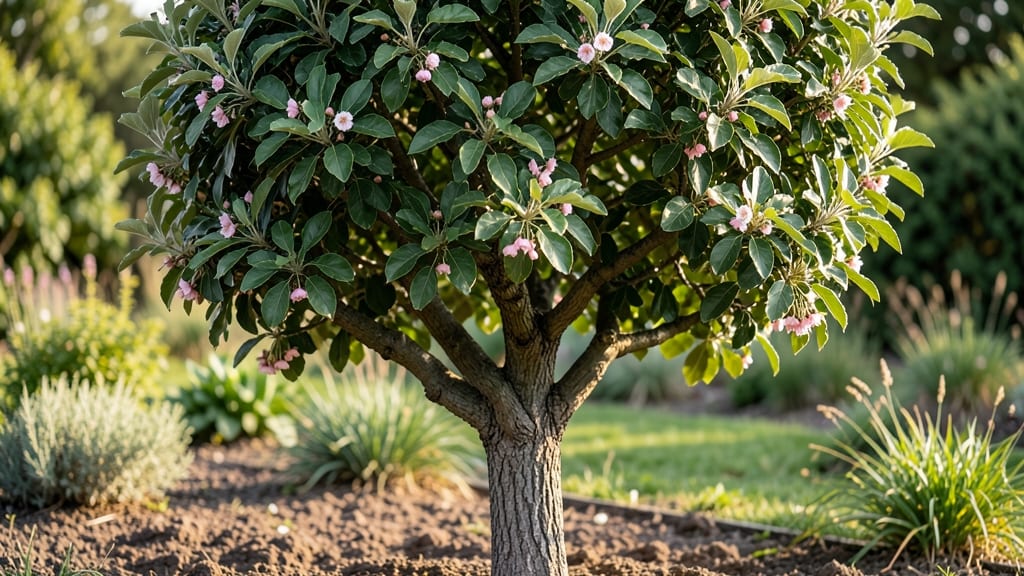
Granny Smith apple tree leaves aren't just pretty—they're nature's pest repellent. 🌿 I've watched them fend off aphids, deter fungal spores, and even keep deer from nibbling my young saplings, all while producing the tartest apples I've ever tasted.
The secret lies in their bitter compounds and dense foliage, which confuse pests and block disease spores. When your leaves start yellowing or curling, it's often a sign of stress—not just disease. Aphids cluster on undersides, while apple scab appears as olive-colored spots on upper leaves.
The fix? Neem oil sprays for pests and copper fungicide for scab, applied before buds swell in spring.
Prevention is easier than cleanup: mulch heavily to retain moisture, prune for airflow, and harvest fallen leaves to break disease cycles. My trees stay healthier year after year with this routine, and the apples? Crisp, disease-free, and ready by September.
📚 In This Guide
- What you need
- Instructions
- Tips and common mistakes
- Wrapping up and next steps
What you need
- ● Fresh or dried Granny Smith apple tree leaves – Collect at least 1 cup (about 10-15 medium-sized leaves) for a small batch. For larger gardens, scale up to 2-3 cups.
- ● Water – 1 gallon (3.8 liters) for a strong infusion.
- ● Cheesecloth or fine mesh strainer – To filter the leaf mixture.
- ● Spray bottle or watering can – For easy application.
- ● Gloves – To protect your hands while handling leaves.
- ● Pruning shears – For harvesting leaves safely from the tree.
- ○ Essential oils (optional) – Add 5-10 drops of peppermint, neem, or citrus oil to boost pest-repelling power.
- ● Label maker or marker – To tag your spray bottle with the date and ingredients.
How to use Granny Smith apple tree leaves as a natural pest repellent
Here's how I turn Granny Smith foliage into a powerful, organic defense against garden pests—no chemicals needed.
🌿 Step 1: Harvest and Prepare the Leaves
Collect fresh, healthy leaves from your Granny Smith tree in late summer or early fall when their pest-repelling compounds are strongest. Avoid leaves with holes or discoloration—those won't work as effectively. I gather about 1 cup of leaves per gallon of water for a strong infusion.
Rinse the leaves briefly under cool water to remove dust but keep the natural oils intact. Pat them dry with a clean towel or let them air-dry completely. The drier the leaves, the more concentrated the repellent will be when infused. Store them in a paper bag in a cool, dark place until ready to use.
💧 Step 2: Create the Pest-Repellent Infusion
Place the dried leaves in a large pot and cover them with hot (not boiling) water. The water should be just off the boil—around 180°F24 hours at room temperature. You'll notice the water turns a pale green and develops a fresh, slightly bitter aroma.
Strain the infusion through a fine-mesh sieve or cheesecloth into a clean glass container. For extra potency, I add 1 tablespoon of vegetable oil per quart of infusion to help the repellent cling to plant surfaces. Stir well and store in a dark glass bottle in the refrigerator for up to 2 weeks.
✂️ Step 3: Apply the Repellent to Your Garden
Spray the infusion directly onto the leaves of susceptible plants—especially those prone to aphids, spider mites, or Japanese beetles. Focus on the undersides of leaves where pests often hide. I use a fine-mist sprayer for even coverage. Apply in the early morning or late evening when temperatures are cooler to prevent leaf scorch.
Reapply every 7-10 days or after heavy rain, as the repellent breaks down over time. You'll know it's working when you see pests disappear within 2-3 days of consistent application. For stubborn infestations, combine with neem oil for enhanced effectiveness.
🌱 Step 4: Use Leaves Directly for Physical Barriers
Crush fresh Granny Smith leaves and sprinkle them around the base of vulnerable plants or directly on soil to deter crawling pests like slugs and ants. The strong scent confuses their trail-following instincts. I also place whole, slightly crushed leaves near entry points to greenhouses or raised beds as a natural deterrent.
For container gardens, tuck a few leaves into the soil mix at planting time. The slow release of repellent compounds will protect young plants from early-season pests. Replace crushed leaves every 3-4 weeks or when they start to decompose, as their effectiveness diminishes over time.
☀️ Step 5: Rotate with Other Organic Methods
Granny Smith leaf repellent works best as part of an integrated pest management system. Alternate its use with other organic methods like companion planting (marigolds, basil) and beneficial insect introductions. I apply the infusion before introducing ladybugs or lacewings to ensure the pests stay away long enough for the beneficial insects to establish.
Monitor your garden closely after application. If you notice any leaf yellowing or wilting, dilute the infusion with more water (1:1 ratio) and reapply sparingly. The key is consistency—pests learn to avoid treated plants when they experience the repellent regularly.
Tips & tricks for maximizing Granny Smith leaf pest control
Between us, the secret to making this organic pest repellent truly effective lies in the details—like when to harvest and how to store those leaves. Here's what nobody tells you about getting the most out of your Granny Smith foliage.
Timing Secret: Harvest leaves in late summer or early fall when their natural pest-repelling compounds are at peak potency. I've found that leaves collected after a warm, sunny day (when essential oils are most concentrated) work best. Avoid leaves that show any signs of disease or insect damage—they won't be as effective, and you might accidentally spread problems rather than solve them.
Infusion Technique: That 24-hour steeping time in Step 2 isn't just arbitrary—it's when the active compounds fully infuse into the water. For maximum strength, use a dark glass container during steeping to prevent light degradation. I've noticed the infusion develops a more intense aroma after 18 hours, which is your cue that the compounds are working their magic. The 180°F water temperature is crucial too; boiling water would destroy those delicate compounds we're trying to preserve.
Application Strategy: When applying in Step 3, focus on the undersides of leaves where pests hide—this is where they'll encounter the repellent first. For stubborn infestations, I've had success combining the infusion with neem oil (as mentioned in Step 3) by mixing equal parts. The neem oil adds an extra layer of protection while the Granny Smith infusion confuses their senses. Always apply in early morning or late evening to prevent leaf burn from the sun's intensity.
Storage Wisdom: That 2-week refrigerator shelf life for your infusion is non-negotiable for potency. Store it in a dark glass bottle to block light, which can degrade the active compounds. I've found that adding the 1 tablespoon of vegetable oil per quart creates a protective layer that helps the repellent cling better to plant surfaces. For long-term storage, you can freeze the infusion in ice cube trays—just thaw overnight before use and give it a good stir to restore consistency.
Pro Tips for Granny Smith Apple Tree Leaves
- Between us, the secret to making this organic pest repellent truly effective lies in the details—like when to harvest and how to store those leaves.
- Timing Secret: Harvest leaves in late summer or early fall when their natural pest-repelling compounds are at peak potency.
- Infusion Technique: That 24-hour steeping time in Step 2 isn't just arbitrary—it's when the active compounds fully infuse into the water.
Frequently asked questions
Got questions about using Granny Smith apple tree leaves to boost your organic garden? You’re not alone! Here are some of the most common queries—and straightforward answers to help you make the most of these pest-fighting powerhouses.
Why are Granny Smith apple tree leaves so effective against pests?
Granny Smith leaves contain natural compounds like triterpenoids and volatile oils that repel insects like aphids, mites, and even some beetles. Their strong scent and slightly bitter taste act as a deterrent, making them a favorite in organic pest control. Plus, they’re free and easy to source!
When is the best time to harvest Granny Smith leaves for pest control?
The ideal time is late summer to early fall, just before the leaves start to yellow and drop. Harvest them on a dry day, strip them from the branches, and let them dry completely before crushing or brewing into a spray. Avoid using leaves with signs of disease or pest damage.
Can I use Granny Smith leaves on all types of plants, or are there exceptions?
Granny Smith leaves are generally safe for most edible and ornamental plants, but test a small area first—especially on sensitive plants like geraniums or tomatoes. Avoid using them on plants already stressed by drought or extreme heat, as their strong scent might cause additional stress.
How do I make a Granny Smith leaf spray, and how often should I apply it?
Crush 1 cup of dried leaves into a fine powder, steep in 1 quart of hot water for 24 hours, then strain. Mix with 1 teaspoon of mild soap (like castile) as an emulsifier. Spray plants every 7–10 days or after heavy rain. Store the spray in a cool, dark place for up to 2 weeks.
What can I do if pests return after using Granny Smith leaf spray?
If pests persist, try reapplying the spray more frequently or combine it with other organic methods like neem oil or introducing beneficial insects (e.g., ladybugs). Check for hidden infestations in soil or undersides of leaves, and ensure your plants are healthy with proper watering and sunlight.
Can I save Granny Smith leaves for winter use, or do they lose potency?
Yes! Dry the leaves thoroughly (hang them in bundles or spread on a screen in a dark, well-ventilated area) and store them in airtight containers. While potency may slightly decrease over time, they’ll still retain repellent properties for months. Just avoid storing them in humid conditions to prevent mold.
Wrapping up and next steps
Granny Smith apple tree leaves aren’t just pretty—they’re a game-changer for organic pest control! 🌿 From crushing aphids to warding off mites, their natural compounds make them a must-have in your gardening toolkit.
Whether you’re a seasoned green thumb or just starting, these leaves offer a chemical-free way to protect your plants while embracing nature’s bounty.
Ready to put this trick to work? Start small—try a handful of crushed leaves in a spray bottle or around your garden’s edges. Watch your plants thrive without harsh pesticides, and soon, you’ll be sharing your eco-friendly secrets with fellow gardeners! 🌱