
Trees
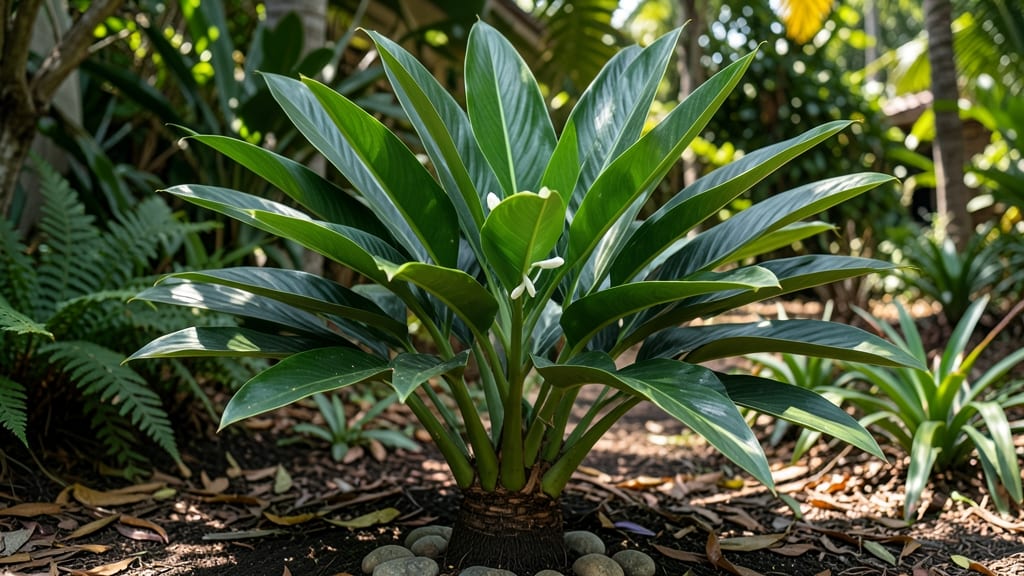
Your ginger tree leaves could be the boldest statement in your outdoor space—if you give them the right conditions. 🌿 These tropical beauties thrive in containers with just a few key adjustments to light, water, and soil, and once established, they reward you with glossy, lance-shaped foliage that stays vibrant all year.
Start with well-draining soil mixed with compost, place them in bright, indirect light (morning sun is ideal), and water when the top inch feels dry. Prune leggy stems in spring to encourage bushier growth, and watch those leaves grow wider and more dramatic with each season.
The key is consistency—ginger trees hate soggy roots but also can’t handle drought.
📚 In This Guide
- What you need
- Instructions
- Tips and common mistakes
- Wrapping up and next steps
What you need
- ● Ginger tree leaves cuttings or young plants: 3–5 healthy cuttings (4–6 inches long) or 1–2 nursery-grown plants (1–2 feet tall).
- ● Pro tip: 🌡️ Choose cuttings with at least 2–3 leaves and a small root base for faster establishment!
- ● Well-draining potting mix: 5–10 gallons of a blend: 60% peat moss or coco coir, 30% perlite or pumice, and 10% compost.
- ○ Optional: Add a handful of orchid bark for extra aeration.
- ● Containers: 1–3 pots (12–18 inches in diameter) with drainage holes. Terracotta is ideal for heat retention!
- ● For outdoor planting: A 2–3 foot deep hole with amended soil (mix in perlite or sand for drainage).
- ● Pruning shears or sharp knife: For trimming cuttings (sterilize with rubbing alcohol!).
- ○ Rooting hormone (optional but helpful): A small bottle of powdered or gel rooting hormone to boost root growth.
- ● Spray bottle: For misting cuttings during propagation.
- ○ Mulch (optional): 2–3 inches of pine bark or straw mulch to retain moisture and regulate soil temp.
- ● Fertilizer: Balanced liquid fertilizer (10-10-10) or slow-release granular fertilizer (e.g., 5-5-5).
- ● Pro tip: 💡 Dilute liquid fertilizer to half-strength for the first 3 months!
- ○ Support stakes (optional): 1–2 bamboo stakes or small trellises if your variety grows tall (e.g., Alpinia purpurata).
- ● A location with bright, indirect light (6+ hours daily). Direct sun can scorch leaves!
- ● Consistent humidity (50–70%). Use a humidifier or group plants together.
- ● Warmth: 65–85°F (18–29°C). Avoid drafts or temps below 50°F (10°C).
- ● Patience! Ginger trees grow slowly—expect 6–12 months for noticeable foliage growth.
Step-by-step instructions for growing ginger tree leaves in containers
Here’s how to coax those lush, tropical leaves indoors—no greenhouse required.
🌱 Step 1: Choose the Right Container and Soil Mix
Start with a container that’s at least 12-14 inches wide with drainage holes—ginger trees hate soggy roots. I use terracotta pots because they breathe and help prevent overwatering. Fill the bottom third with orchid bark mix (or coarse potting soil mixed with perlite) to improve drainage.
Next, add a 3-4 inch layer of well-draining potting mix—ginger trees prefer loose, airy soil that mimics their tropical forest habitat. Press it down lightly with your fingers, but don’t compact it. The goal is soil that feels like a damp sponge, not mud.
🌿 Step 2: Plant Your Ginger Tree Cutting
Ginger trees grow from rhizome cuttings (the thick, knobby roots). Choose a healthy piece with at least 2-3 buds (small bumps) and let it dry for 1-2 days to form a callous—this prevents rot. Bury the rhizome halfway in the soil, with the buds facing upward.
Gently pat the soil around the cutting to secure it, but don’t press too hard. The top of the rhizome should peek above the soil line. Water lightly until the soil feels moist but not soggy. You’ll know it’s right when water runs out the drainage holes after a few minutes.
☀️ Step 3: Provide Warmth and Bright, Indirect Light
Ginger trees thrive in bright, indirect light—think east or west-facing windows, or a few feet from a south window. Direct sun will scorch those gorgeous leaves, so if you see them turning yellow or crispy, move the plant back. I’ve found that 6-8 hours of filtered light daily keeps them happy.
Keep the temperature between 65-80°F—ginger trees are tropical and won’t tolerate drafts. If your home runs cooler, a small space heater nearby (not too close!) can help. Watch for new leaves emerging in 4-6 weeks—that’s your sign everything’s working.
💧 Step 4: Water and Fertilize for Lush Growth
Water when the top 1-2 inches of soil feel dry to the touch. Stick your finger in—if it’s damp, wait another day. Ginger trees like consistent moisture but hate sitting in water. I water deeply until it drains through the bottom, then empty the saucer to prevent root rot.
Feed with a balanced liquid fertilizer (like 10-10-10) every 4-6 weeks during spring and summer. Cut back in fall and winter when growth slows. Over-fertilizing burns roots, so always dilute to half-strength unless the package says otherwise.
✂️ Step 5: Prune and Repot for Long-Term Health
Trim yellow or damaged leaves with clean scissors to encourage new growth. You can also prune leggy stems to shape the plant—just cut just above a leaf node (the bump where leaves grow). This keeps the plant bushy and prevents it from toppling over.
Repot every 2-3 years or when roots circle the container. Choose a pot 2-3 inches wider than the last one, and refresh the soil with a mix of potting soil and perlite. Ginger trees grow slowly, so there’s no rush—just keep an eye on root health.
Tips & tricks for growing ginger tree leaves in containers
Here's what nobody tells you about growing these stunning tropical plants indoors—tricks that'll keep your ginger tree thriving without the guesswork.
Container Material Matters: While terracotta is ideal, plastic pots work too if you remember one key detail: they retain moisture longer. If using plastic, water slightly less frequently and always check soil moisture before watering. I’ve seen ginger trees in plastic containers thrive for years when given this simple adjustment. The critical factor is drainage—no matter the material, ensure those drainage holes are never blocked.
Rhizome Prep is Non-Negotiable: That 1-2 day drying period before planting is where most beginners fail. I learned this the hard way after watching three cuttings rot within weeks. Place your rhizome on a paper towel in a warm spot (around 70°F) to speed up callous formation. You’ll know it’s ready when the cut edges look slightly dry and leathery to the touch.
Light Positioning Secrets: The 6-8 hours of filtered light recommendation is your baseline, but here’s the pro move: rotate your container every 2-3 weeks. This ensures even growth and prevents the plant from leaning toward one light source. I’ve seen ginger trees develop uneven growth when left in one spot—always turn the pot quarter-turns to keep it balanced.
Soil Texture Test: That "damp sponge" description in Step 1 is crucial. To test your soil mix, grab a handful and squeeze gently—water should bead up slightly but not drip. If it crumbles apart, add more perlite; if it stays clumped, mix in additional orchid bark. The right texture prevents both root rot and dehydration, which are the two biggest killers of container-grown ginger trees.
Pro Tips for Ginger Tree Leaves
- Here's what nobody tells you about growing these stunning tropical plants indoors—tricks that'll keep your ginger tre...
- Container Material Matters: While terracotta is ideal, plastic pots work too if you remember one key detail: they ret...
- Rhizome Prep is Non-Negotiable: That 1-2 day drying period before planting is where most beginners fail. I learned th...
Frequently asked questions
Got questions about growing ginger tree leaves (like Alpinia or Hedychium varieties) in containers? You’re not alone! Here are some of the most common concerns—and straightforward answers to help you thrive.
Can I grow ginger tree leaves indoors year-round?
While possible, it’s tricky! These tropical plants need bright, indirect light (like a south-facing window) and humidity levels of 50%+. If your home is dry or dim, consider a grow light or move them outdoors in summer. Pro tip: Group plants together to boost humidity naturally!
How often should I water ginger tree leaves in containers?
Water when the top 1–2 inches of soil feel dry—usually every 5–7 days in warm weather, but less in winter. Overwatering is the #1 killer! Ensure pots have drainage holes and use well-draining soil (like a mix of potting soil + perlite). Watch for: Yellow leaves = too much water; crispy edges = underwatering.
Why are my ginger tree leaves turning yellow?
Yellow leaves often signal overwatering, poor drainage, or nutrient deficiency. Check these first:
- Root rot: If soil smells sour or roots look mushy, repot in fresh soil.
- Nutrients: Feed with a balanced liquid fertilizer (20-20-20) every 4–6 weeks in spring/summer.
- Light: Brown/yellow patches on leaves? Move to brighter (but indirect) light.
Do ginger tree leaves need winter care?
Yes! These plants are tender perennials—they’ll struggle in frost. In cold climates:
- Move containers to a garage or unheated shed (50–60°F is ideal).
- Reduce watering to every 2–3 weeks (soil stays barely moist).
- Prune dead leaves to encourage new growth in spring.
What’s a good alternative if I can’t grow ginger tree leaves?
If your climate or space is limiting, try these low-maintenance tropical foliage plants for containers:
- Bird of Paradise (Strelitzia) – Bold leaves, drought-tolerant once established.
- Calathea – Stunning patterns, thrives in humidity (great for bathrooms!).
- Dracaena (Dragon Tree) – Hardy, air-purifying, and forgiving.
- Banana Plant (Musa) – Fast-growing and dramatic (but needs space!).
Still stumped? Snap a photo of your plant’s issue and ask in gardening forums—most problems have quick fixes!
Wrapping up and next steps
Growing ginger tree leaves in containers is a rewarding way to bring tropical vibes to your space—whether you're a seasoned gardener or just starting out! 🌿 With the right soil, sunlight, and care, these lush plants can thrive and even reward you with stunning blooms.
Don’t let challenges like humidity or pests discourage you; every expert was once a beginner.
Ready to take the next step? Experiment with different container sizes or try propagating new plants from cuttings—your ginger tree could become a stunning centerpiece or even a conversation starter! Happy growing! 🌱