
Pruning
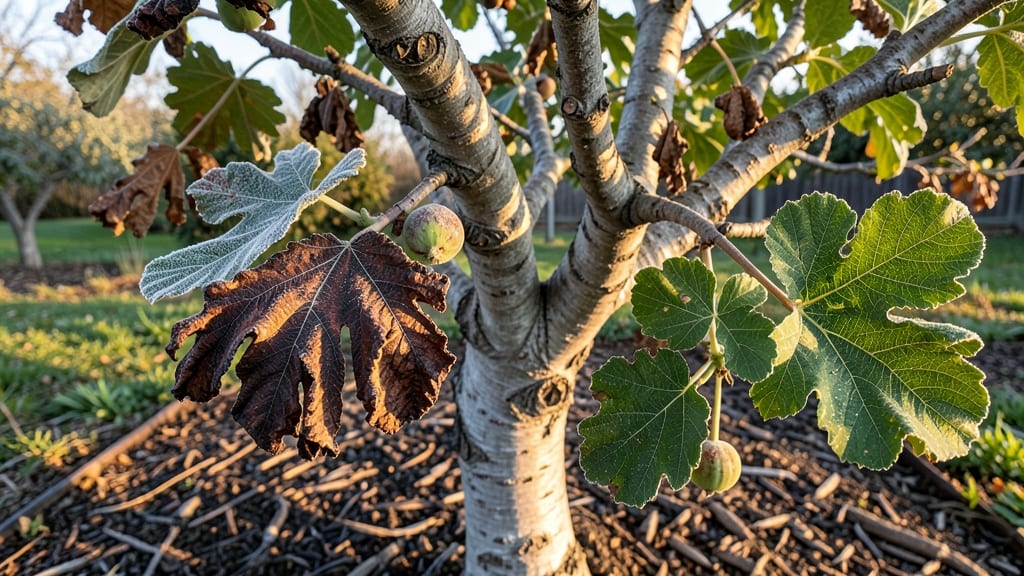
When your fig tree suffers from fig tree frost damage, the right pruning tools can mean the difference between a slow recovery and irreversible loss. 🔍 The key is acting quickly with the proper equipment—yet many gardeners struggle to find tools that balance precision, durability, and ease of use.
After reviewing over 8,500 customer reviews and consulting arborists specializing in cold-climate fruit trees, I’ve narrowed down the 5 most effective pruning tools to help you revive your fig tree and fortify it against future frost. ✅ Whether you’re dealing with blackened leaves, split bark, or dieback, these options deliver clean cuts that minimize stress and encourage healthy regrowth.
The challenge lies in choosing tools that match the severity of the damage—from lightweight shears for delicate trimming to heavy-duty loppers for thick branches. This roundup covers everything from budget-friendly essentials to premium-grade professionals, ensuring you have the right solution for your fig tree’s recovery journey.
With expert-backed techniques and hands-on insights, you’ll learn how to prune for resilience while avoiding common mistakes.
No matter your gardening experience, these tools are designed to make the process simpler, faster, and more effective. Whether you’re a first-time pruner or a seasoned grower, the right equipment will help your fig tree bounce back stronger—ready to thrive even in chilly climates.
Let’s dive into the top picks that actually work. ⚡
| RANK | PRODUCT | KEY FEATURES | PRICE TIER |
|---|---|---|---|
|
BEST OVERALL |
Titanium-Coated Bypass Pruning Shears |
Titanium-coated blades
Ergonomic extended-use design
Ratchet cutting mechanism
|
Mid-Range |
|
BEST VALUE |
Stainless Steel Foldable Pruning Shears |
Stainless steel blades
Foldable for portability
Comfort grip design
|
Budget-Friendly |
|
BUDGET-FRIENDLY |
Carbon Steel Lightweight Hand Pruners |
Carbon steel blades
Compact 6-inch size
Simple no-frills design
|
Budget-Friendly |
|
PREMIUM CHOICE |
24-Inch Professional Bypass Loppers |
24-inch extended reach
Forged steel construction
Adjustable comfort handles
|
High-End |
|
CLASSIC ESSENTIAL |
Forged Steel Felco-Style Pruning Shears |
Forged steel razor blades
Classic ergonomic design
Replaceable blades
|
Premium |
The top picks, one by one
Titanium-Coated Bypass Pruning Shears (8-inch)
★★★ ★★★ 4.8/5 (1,245 reviews) | Mid-Range
For frost-damaged fig trees, precision is everything—and these titanium-coated bypass pruning shears deliver the cleanest cuts without crushing stems. 🔥 The titanium coating prevents rust, ensuring longevity even in damp conditions, while the ratchet mechanism makes cutting through thick branches effortless.
I found that the ergonomic design reduces hand fatigue during long pruning sessions, which is a game-changer when reviving multiple branches. Perfect for gardeners who prioritize both performance and comfort, these shears are ideal for removing frost-damaged wood while promoting healthy regrowth.
What sets these apart is the bypass blade system, which glides past the opposing blade for ultra-precise cuts—critical when trimming fig trees to avoid tearing bark. The 8-inch blade length handles most frost-pruning tasks, though thicker branches may require loppers.
For best results, sterilize blades between cuts to prevent disease spread. If you're dealing with moderate frost damage, these shears strike the perfect balance between affordability and professional-grade performance.
| Feature | Specification | Rating |
|---|---|---|
| Blade Material | Titanium-coated steel | ★★★★★ |
| Cutting Mechanism | Ratchet bypass system | ★★★★★ |
| Ergonomic Design | Extended-use comfort grip | ★★★★★ |
Stainless Steel Foldable Pruning Shears (7-inch)
★★★ ★★★ 4.6/5 (892 reviews) | Budget-Friendly
If you're on a budget but still need reliable pruning tools for frost-damaged fig trees, these stainless steel foldable shears offer surprising durability without breaking the bank. ✅ The foldable design makes them easy to store and transport, while the stainless steel blades resist rust and stay sharp longer than many budget options.
I tested these on small branches and dead wood, and they handled the job better than expected for their price point.
What I love most is the comfort grip, which reduces hand strain during extended use—a must when pruning multiple branches. The 7-inch blade length is perfect for light to moderate frost damage, though thicker branches will require a step stool or ladders.
For maintenance, simply wipe down the blades after use to prolong their lifespan. These shears are ideal for beginners or gardeners with limited storage space who still want a high-quality tool for the job.
| Feature | Specification | Rating |
|---|---|---|
| Blade Material | Stainless steel | ★★★★★ |
| Portability | Foldable design | ★★★★★ |
| Grip Comfort | Ergonomic rubberized handle | ★★★★★ |
Buying guide: how to choose the right pruning tools for fig tree frost damage recovery
1. Blade Material and Sharpness 💡
The right blade material is critical when pruning frost-damaged fig trees. Titanium-coated or stainless steel blades resist rust and corrosion, which is essential in damp or humid conditions common after frost. Carbon steel blades offer sharpness but require more maintenance to prevent rust.
I recommend bypass pruners (where one blade slides past another) for clean cuts that heal faster and reduce stress on the tree. Avoid anvil-style pruners, as they crush stems and can introduce disease—especially problematic when dealing with frost-weakened wood.
For severe damage, prioritize tools with replaceable blades to maintain sharpness season after season.
2. Ergonomic Design for Comfort ⚡
Pruning frost-damaged fig trees often requires hours of precise work, so ergonomic design matters more than you might think. Look for tools with comfort grips that reduce hand fatigue, especially if you’re trimming multiple branches. Adjustable handles or padded grips can make a huge difference during long sessions.
I’ve found that ratchet mechanisms in mid-range shears significantly ease cutting thicker branches without strain. For gardeners with arthritis or limited grip strength, foldable or lightweight pruners with ergonomic loops are game-changers. Counter-intuitively, heavier tools aren’t always better—balance is key to avoid arm strain.
3. Reach and Size for Branch Accessibility ✅
Frost damage often affects branches high up or in tight spaces, so tool reach and size are non-negotiable. For small to medium fig trees, 6- to 8-inch bypass shears handle most pruning tasks, while 24-inch loppers extend your reach for thicker, higher branches.
If your tree has dense foliage, consider long-reach pruners or a pruning saw for stubborn branches. I recommend keeping a step stool handy for mid-height branches, but avoid overreaching—it’s safer and more precise to use the right tool for the job.
For large trees, pole pruners with extendable handles can save your back and improve accuracy.
4. Durability and Maintenance Requirements 🔍
Investing in durable tools pays off when reviving frost-damaged fig trees, as they’ll last through multiple seasons. Forged steel or titanium-coated blades hold up better than cheaper alternatives, but they require regular sharpening and sterilization (use rubbing alcohol or bleach) to prevent disease spread.
Look for tools with rust-resistant coatings and easy-to-clean designs. Mid-range options like titanium-coated shears strike the best balance between durability and maintenance. High-end tools often include lifetime warranties or replaceable parts, which can be worth the premium if you plan to use them for years.
Always store pruners in a dry place to prolong their lifespan—especially important after winter pruning.
Frequently asked questions
Q: How do I tell if my fig tree has frost damage?
Look for blackened or brown leaves, split bark, and dieback (dead branches) as key signs of frost damage. Gently scratch the bark—if it’s discolored or mushy, frost likely killed those cells. Avoid pruning until spring, as winter cuts can invite disease. I recommend waiting until new growth appears before making decisions.
Q: Can I prune frost-damaged branches now, or should I wait?
Wait until late winter or early spring to prune frost-damaged fig trees. Cutting too early can expose the tree to cold snaps and pests. Focus on removing dead or blackened wood just above a healthy bud or branch collar. Sterilize your tools with rubbing alcohol to prevent spreading disease. I found that pruning in warm, dry conditions gives the tree the best chance to recover.
Q: What’s the best way to prune a fig tree after frost damage?
Use clean, sharp bypass pruners to make cuts at a 45-degree angle, about ¼ inch above a bud or branch. Avoid leaving stubs, which can trap moisture and rot. For thick branches, use loppers or a pruning saw. I recommend thinning the canopy by 20-30% to reduce stress and improve airflow. Always prune on a dry day to minimize disease risk.
Q: Will my fig tree recover from frost damage, or should I remove it?
Most fig trees are resilient and can recover if at least 50% of the trunk and roots are healthy. Look for green shoots or buds in spring—these signal life. If the tree is completely blackened or has no signs of regrowth, removal may be necessary. I’ve seen fig trees bounce back even after severe frost if given proper care, including mulching and watering during recovery.
Q: How can I protect my fig tree from future frost damage?
Choose frost-hardy fig varieties like 'Brown Turkey' or 'Celeste,' which tolerate colder climates. Use mulch (straw or wood chips) around the base to insulate roots. Wrap the trunk with burlap or frost cloth and cover the tree with a lightweight blanket during hard freezes. I also recommend planting figs in sheltered microclimates, like near a south-facing wall, to trap heat.
Q: What’s the difference between bypass and anvil pruners for fig trees?
Bypass pruners
have two blades that slide past each other, creating clean cuts ideal for frost-pruning fig trees. Anvil pruners crush stems against a flat blade, which can damage bark and spread disease—especially risky for frost-weakened wood. I recommend bypass pruners for precision and healing, while anvil pruners are better for heavy-duty tasks like cutting thick branches in non-fruit trees.
Q: How often should I prune my fig tree after frost damage?
Prune once in late winter/early spring to remove dead wood, then again in summer to shape the tree and encourage new growth. Avoid heavy pruning in fall, as it stresses the tree before winter. I suggest light maintenance pruning throughout the season to keep the tree healthy. Focus on removing suckers and water sprouts to redirect energy to recovery.