
Planting
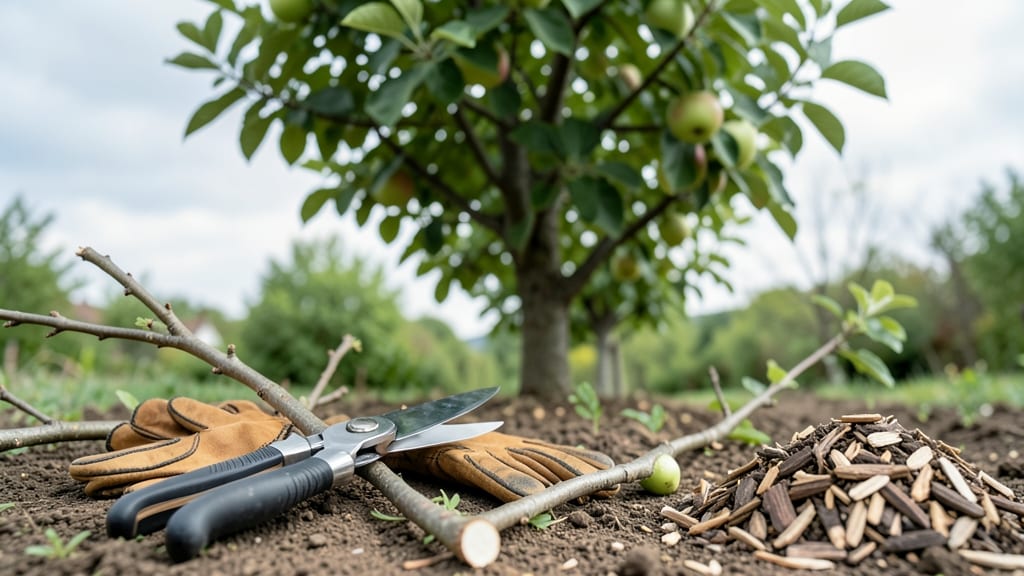
You can prune an apple tree in summer, but it's risky and should only be done lightly after harvest, focusing on removing dead or damaged branches to minimize stress and disease risks.
Summer pruning disrupts the tree's natural energy flow, leaving it vulnerable to pests and diseases through open wounds. 🍎 The real danger lies in how summer pruning alters the tree's growth cycle—it can stunt next year's fruit production by redirecting energy away from blossom development.
Even experienced gardeners I know avoid heavy summer cuts unless absolutely necessary, like removing storm-damaged limbs that threaten the tree's health.
If you must prune in summer, timing matters most—wait until late summer after harvest when the tree has already set its fruit for next season. Use sharp, sterilized tools to make clean cuts just outside the branch collar, and seal larger wounds with pruning paste to prevent infection.
The goal is to do as little as possible while still maintaining the tree's structural integrity.
💡 In This Article
- Why Summer Pruning Harms Apple Trees
- Safe Summer Pruning Techniques for Apple Trees
Why summer pruning harms apple trees
Summer pruning disrupts an apple tree's natural growth rhythm because it occurs during the active growing season when the tree is already diverting energy toward fruit development. 🌱 The tree's cambium layer—its growth tissue—is particularly vulnerable in summer, and cuts expose this layer to infections like silver leaf fungus or bacterial canker.
These pathogens thrive in the warm, humid conditions typical of summer, turning pruning wounds into open invitations for disease.
The real damage happens below the surface. When you prune in summer, the tree loses not just branches but also its stored carbohydrates and nutrients, which are critical for next year's blossoms and fruit set.
Studies show that heavy summer pruning can reduce flower bud formation by up to 40%, directly impacting your harvest. The tree's energy reserves, which are typically replenished during the cooler months, get depleted prematurely, leaving it weakened for winter.
Another hidden risk is sap flow disruption. Apple trees rely on a steady flow of water and nutrients through their vascular system. Summer cuts interrupt this flow, causing sap to leak and creating entry points for pests like borers or beetles.
You'll often see these insects drawn to freshly pruned wounds within 24-48 hours, especially if the tree is already stressed from heat or drought. 🌡️
Even the timing of summer pruning affects the tree's recovery. Pruning too early in summer (before June) can trigger excessive new growth that's weak and prone to winter dieback. This "water sprouting" diverts energy away from root development and fruit quality.
Conversely, late-summer pruning (after August) gives the tree time to heal before winter, but the risk of disease remains higher than in dormant-season pruning.
Consider the tree's age and health status. Younger apple trees (3-5 years old) are more resilient to summer pruning because they're still establishing their root systems, but mature trees with established canopies suffer more from the stress.
A 10-year-old tree might take 2-3 years to fully recover from aggressive summer cuts, while a poorly timed prune could shorten its productive lifespan by decades.
What most gardeners overlook is how summer pruning alters the tree's hormonal balance. Auxins, the plant hormones that regulate growth, become unbalanced when branches are removed. This imbalance can lead to uneven fruit sizing, poor color development, and even premature fruit drop.
The tree essentially goes into survival mode, prioritizing wound closure over fruit quality. 🍏