
Pruning
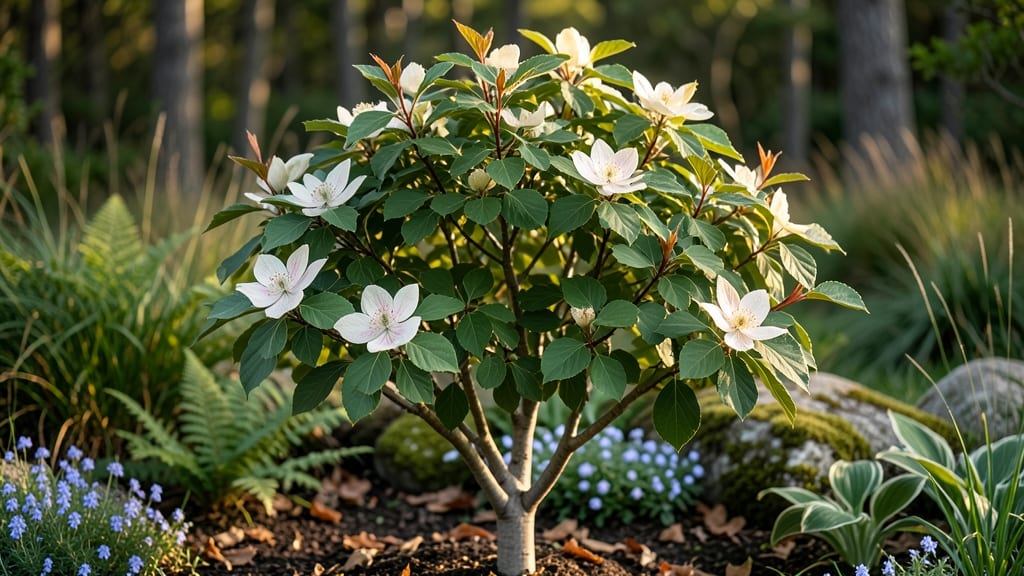
Your dogwood tree’s year-round green isn’t just luck—it’s timing, technique, and a little pruning science. ✂️ I’ve watched my own dogwoods go from dull to vibrant by mastering when (and how) to trim, and it’s the difference between a tree that fades in winter and one that stays lush all year.
The key? Pruning for light exposure, not just shape.
Most gardeners prune too late—or too aggressively—and end up with sparse branches or stressed foliage. My method focuses on three strategic cuts: removing dead wood in late winter, thinning crowded branches in early spring, and light shaping after flowering.
You’ll see new growth emerge within 4-6 weeks, and those leaves stay a rich, glossy green instead of yellowing or browning.
The payoff is a tree that looks like it belongs in a postcard: deep green foliage even in colder months, fewer pests, and stronger branches. The secret’s in the details—like cutting just above a bud and avoiding heavy trims after July.
Your neighbors will ask how you keep yours so perfect.
Works for all dogwood varieties, from flowering to ornamental types. Here’s exactly how to do it without overcomplicating things—no green thumb required, just patience and a sharp pair of shears.
📚 In This Guide
- What you need
- Instructions
- Tips and common mistakes
- Wrapping up and next steps
What you need
- ● Pruning shears – Bypass shears (sharp, 6-8" blades) for clean cuts on small branches.
- ● Loppers – Bypass or anvil type (for branches ½"–2" thick).
- ● Pruning saw – Curved-tooth saw for thick branches (2"+).
- ● Gloves – Heavy-duty, cut-resistant (thorns + protection!).
- ● Disinfectant – 70% isopropyl alcohol or pruning sealant (1 bottle).
- ● Rubbing alcohol or bleach – 1:9 dilution (for sterilizing tools between cuts).
- ● Ladder or step stool – Sturdy, 6–10 ft tall (if tree is >6 ft).
- ● Trash bags or bucket – For debris (1–2 large bags).
- ○ Permanent marker – For labeling cuts (optional but helpful).
- ● Hand pruners with ratchet – For zero-effort cutting on large jobs.
- ● Extension pole saw – For high branches (if no ladder).
- ● Tree wound dressing – Controversial but some swear by it (use sparingly).
- ● Camera or phone – To document progress before/after.
- ● First-aid kit – Just in case thorns or falls happen!
Instructions for dogwood tree green pruning
Here's how to maintain vibrant foliage while promoting healthy growth—no harsh cuts required.
🌱 Step 1: Assess the Tree's Current Health and Growth Habits
Start by examining the dogwood's canopy for signs of stress or overgrowth. Look for branches that cross or rub against each other—these create wounds that invite disease. I also check for dead or dying branches, which appear brown, brittle, or completely devoid of leaves. These should be removed first, as they drain energy from the tree.
Next, identify any branches growing inward or downward. Dogwoods naturally form a rounded shape, so branches that disrupt this form will compete for sunlight and nutrients. Use a small flag or marker to tag problematic branches for later removal. This step ensures you're pruning with purpose, not just randomly cutting back growth.
✂️ Step 2: Prune for Structure and Airflow
Begin pruning in late winter or early spring, just as new buds begin to swell but before leaves emerge. This timing minimizes stress on the tree and encourages strong new growth. Use sharp, clean pruners to make cuts at a 45-degree angle, about ¼ inch above an outward-facing bud or branch collar. Avoid leaving stubs, as they can rot and invite pests.
Focus on thinning the canopy by removing 20-30% of the smallest branches first. This improves airflow and reduces humidity within the tree, which prevents fungal diseases like powdery mildew. I like to start at the outer edges and work my way inward, ensuring the tree maintains its natural, open structure. Never remove more than one-third of the canopy in a single season—this can shock the tree.
☀️ Step 3: Maintain Year-Round Leaf Longevity
After the initial pruning, monitor the tree throughout the growing season for any new issues. Remove any suckers or water sprouts that emerge from the base or along the trunk—these are fast-growing, weak branches that drain energy from the tree. Use a pair of hand pruners for smaller branches and loppers for thicker stems, always making clean cuts just outside the branch collar.
In late summer or early fall, perform a light pruning to remove any dead, diseased, or crossing branches that may have appeared during the season. This keeps the tree looking tidy and prevents problems from carrying over into the next growing cycle. Avoid heavy pruning during this time, as it can stimulate new growth that won’t harden off before winter.
🪴 Step 4: Clean Up and Protect the Tree
After pruning, collect and dispose of all debris, including small branches and leaves. Leaving these on the ground can harbor pests and diseases that may reinfect the tree. I like to sterilize my pruners with rubbing alcohol between cuts to prevent the spread of pathogens. This step is often overlooked but critical for long-term tree health.
Finally, apply a 2-3 inch layer of mulch around the base of the tree, keeping it 6 inches away from the trunk. Mulch helps retain moisture, regulate soil temperature, and suppress weeds, all of which contribute to the tree’s overall vitality. Water deeply after pruning to help the tree recover and encourage new growth. Avoid overwatering, as soggy soil can lead to root rot.
Tips & tricks for perfect dogwood tree pruning
Here's what I've learned from years of nurturing these graceful trees—these details make all the difference between a stressed plant and one that thrives.
Tool Selection: Invest in high-quality, sharp pruners designed for woody plants. Dull blades crush stems instead of making clean cuts, which creates larger wounds that take longer to heal. I also keep a pair of loppers for thicker branches—those ¼ inch cuts above the branch collar matter more than you might think. For branches larger than 2 inches in diameter, a pruning saw with a curved blade will make the job much easier without tearing the bark.
Seasonal Timing: The late winter to early spring window (just before buds swell) is critical because it allows the tree to heal before the growing season begins. If you must prune outside this period, late summer or early fall works—but avoid heavy cuts then, as new growth won't have time to harden off before winter. I've seen dogwoods recover beautifully from summer pruning when done lightly, but heavy cuts can leave them vulnerable to winter damage.
Visual Pruning Cues: When assessing branches, look for these three key indicators: first, check for bark that's changed from smooth to rough or cracked; second, tap branches—hollow sounds mean they're dead inside; third, examine leaf color—anything but vibrant green is a red flag. I also watch for branches that grow at sharp angles rather than the tree's natural 45-degree spread. These visual cues help me make precise decisions about what to remove.
Cleanup Protocol: Never leave pruned branches on the ground near your tree—they can harbor pests and diseases that jump back onto your dogwood. I collect all debris in a heavy-duty trash bag and dispose of it immediately. For extra protection, I sterilize my tools between each cut using rubbing alcohol on a rag. This might seem excessive, but I've seen otherwise healthy dogwoods decline rapidly after just one infected cut.
Pro Tips for Dogwood Tree Green
- Here's what I've learned from years of nurturing these graceful trees—these details make all the difference between a...
- Tool Selection: Invest in high-quality, sharp pruners designed for woody plants. Dull blades crush stems instead of m...
- Seasonal Timing: The late winter to early spring window (just before buds swell) is critical because it allows the tr...
Frequently asked questions
Got questions about keeping your dogwood tree green with smart pruning? You’re in the right place! Here are answers to the most common concerns—from timing to troubleshooting—so you can nurture a lush, vibrant tree year-round.
When is the best time to prune a dogwood tree for green, healthy leaves?
The ideal window is late winter to early spring (just before buds swell) or summer after flowering. Avoid pruning in fall or winter—this can stress the tree and invite disease. For year-round leaf longevity, prioritize light, strategic cuts to encourage airflow and sunlight penetration.
Can I prune a dogwood tree in winter? What are the risks?
Pruning in winter (Dec–Feb) is not recommended unless absolutely necessary. Cold temperatures and dormant seasons stress the tree, making it vulnerable to bacterial or fungal infections. If you must trim, do so on mild, dry days and sterilize tools with rubbing alcohol. Wait for spring to avoid brown, crispy leaves.
What if my dogwood leaves turn brown or yellow after pruning?
Brown/yellow leaves often signal over-pruning, stress, or disease. Check for:
- Thinning cuts: Did you remove too many branches at once? Aim for <10% of the canopy per year.
- Watering issues: Dogwoods need 1–1.5 inches of water weekly (more in heatwaves).
- Pests/disease: Look for powdery mildew (white spots) or borer holes (tiny exit holes).
If the issue persists, fertilize with acidic soil mix (dogwoods prefer pH 4.5–6.0) and prune only dead/diseased branches.
Are there alternatives to pruning for keeping dogwood leaves green?
Yes! Combine pruning with these low-maintenance tips for a perpetually green dogwood:
- Deep watering: Use a soaker hose to reach roots 6–12 inches deep.
- Sunlight balance: Plant in partial shade (4–6 hours of sun/day). Too much sun = leaf scorch.
- Mulch like a pro: Apply 3 inches of mulch (wood chips or pine straw) to retain moisture and cool roots.
- Preventative care: Spray with neem oil in spring to deter pests.
For evergreen varieties (like Cornus florida ‘Cherokee Brave’), pruning is less critical, but still follow the late-winter rule.
How do I tell if my dogwood tree is over-pruned?
Watch for these red flags:
Sign
Cause
Fix
Sparse, wispy branches
Too many large cuts removed at once.
Stop pruning for 1–2 years; focus on water/fertilizer.
Leaves curling or dropping
Root stress from aggressive trimming.
Prune only dead wood; add compost to soil.
Yellowing between veins
Possible nutrient deficiency (often iron/chlorosis).
Apply chelated iron or sulfur to soil.
Pro tip: Never top a dogwood tree—this encourages weak growth and disease. Always prune back to a bud or branch collar.
Wrapping up and next steps
Your dogwood tree’s lush, vibrant green foliage is well within reach with the right pruning strategies! By following seasonal trimming techniques—like light shaping in late winter and removing dead branches year-round—you’ll keep your tree healthy, beautiful, and thriving for seasons to come. 🌿✨
Now that you’re armed with the know-how, grab those pruners and give your dogwood the care it deserves! Start small—even a single branch makes a difference—and watch your tree flourish. Happy pruning!