
Pruning
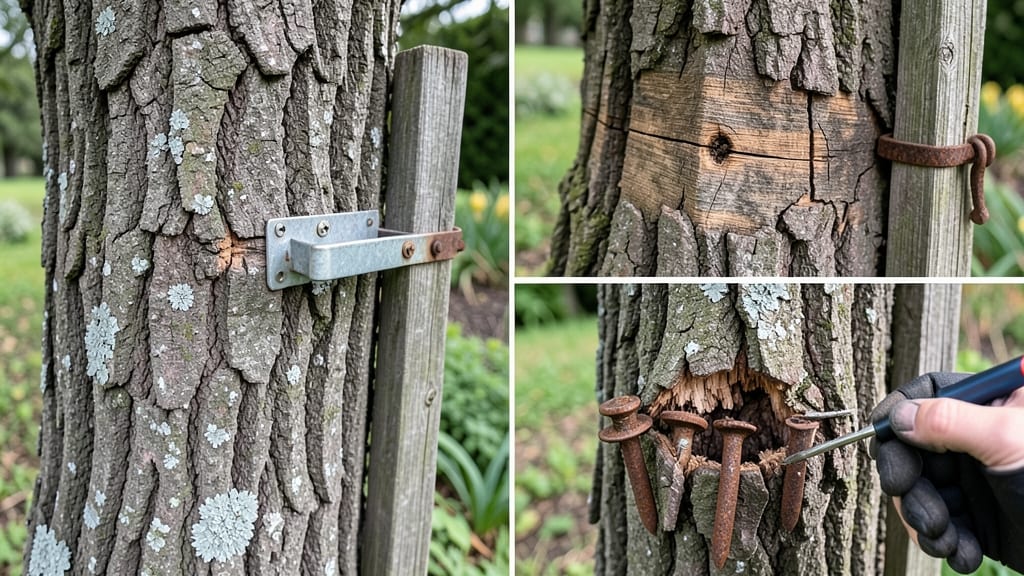
Screwing into a tree damages it by disrupting its vascular system and creating entry points for pests or disease, but using the right techniques—like lag bolts, proper spacing, and avoiding sapwood—can minimize harm. Always pre-drill holes and seal wounds afterward.
When you drive screws into a tree, you're essentially creating wounds that compromise its natural defenses.
The bark acts as a protective barrier, and penetrating it exposes the inner layers to infections and pests. 🌳 Different tree species react differently—hardwoods like oak can handle minor damage better than softwoods like pine, but all trees need proper care to recover.
The key is reducing the impact by choosing the right hardware and installation method.
For example, using lag bolts instead of standard screws distributes pressure more evenly, while pre-drilling holes prevents splitting. Spacing screws at least 6 inches apart gives the tree room to heal, and sealing wounds with a tree-friendly sealant helps block pathogens.
Season matters too—avoid screwing during active growth periods when trees are most vulnerable.
💡 In This Article
- How Tree Anatomy Affects Damage from Screws
- Safe Screwing Methods for Trees: Tools and Techniques
How tree anatomy affects damage from screws
When you screw into a tree, you're disrupting its delicate transport system. The bark acts as a protective shield, but beneath it lies the phloem—a layer responsible for distributing sugars and nutrients produced through photosynthesis.
Damage here interrupts the tree's ability to nourish itself, while the cambium (a thin growth layer) controls new cell production. Cutting into this zone forces the tree to allocate energy to healing instead of growth. 🌳
The xylem, which carries water and minerals upward, is particularly vulnerable. Screws that pierce this tissue create open pathways for water loss and pathogen entry. Sapwood (the younger, outermost xylem) is especially critical—it's where most water transport occurs.
For example, a 1-inch screw in a 6-inch diameter oak can block up to 20% of the sapwood, significantly stressing the tree. Softwoods like pine have less efficient wound closure than hardwoods, making them more susceptible to decay.
Tree species react differently due to their natural defenses. Oaks, for instance, can compartmentalize damage by isolating infected areas, while pines rely on resin to seal wounds. The wound response also varies by season—trees are most vulnerable during spring and fall when they're actively growing or preparing for dormancy.
A single screw in the wrong place can trigger a chain reaction of decay, especially in older trees with weakened vascular systems.
Another critical factor is the size and shape of the screw. Sharp, coarse-thread screws cause more tissue damage than smooth, fine-thread lag bolts. The deeper the penetration, the greater the disruption to the tree's structural integrity.
For example, a 3-inch lag bolt in a 12-inch diameter tree can create a wound that takes 3-5 years to fully heal, if it heals at all. This is why spacing matters—screws placed too close together prevent proper wound closure.
Beyond physical damage, screws create entry points for pests like bark beetles and fungi. The sapwood's moisture content makes it an ideal breeding ground for organisms that thrive in damp, damaged wood. In urban settings, this can accelerate decay, turning a minor installation into a major tree health crisis.
The key is minimizing disruption by using the right tools and techniques to preserve the tree's natural defenses. ✨