
Pruning
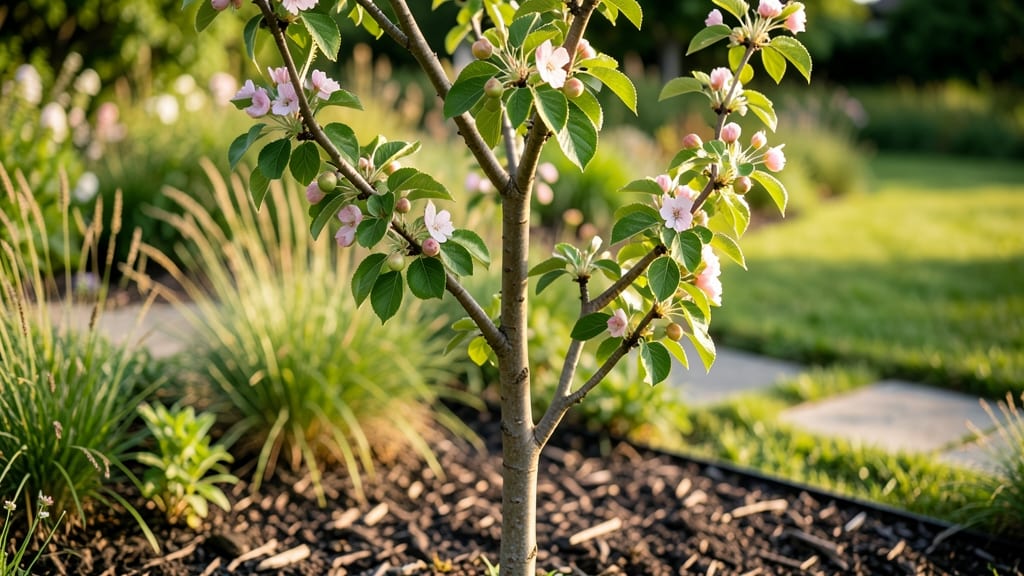
Your young crabapple tree's first five years decide everything—health, shape, and whether it bears fruit for decades. ✨ I learned this the hard way after my first tree grew into a tangled mess because I didn’t prune early.
The secret isn’t just cutting branches—it’s shaping the tree’s foundation while it’s still flexible. Start with the right soil: mix in compost for drainage, and plant where it gets 6+ hours of sunlight. Space young trees 15-20 feet apart to avoid future crowding.
Water deeply twice a week (more in summer heat), keeping the soil moist but not soggy. This sets roots deep and strong from day one. By year three, you’ll see strong branches and the first blossoms—proof your early pruning paid off.
The tree will reward you with abundant fruit and a sturdy form that lasts for generations. Skip this step, and you’ll spend years fixing mistakes. Works for any crabapple variety, from ‘Dolgo’ to ‘Adams’. Here’s how to do it right the first time—no regrets later.
📚 In This Guide
- What you need
- Instructions
- Tips and common mistakes
- Wrapping up and next steps
What you need
- ● Pruning shears: Bypass pruners (sharp, 6-8" blades) for small branches (1/4" to 3/4" diameter)
- ● Loppers: For medium branches (3/4" to 2" diameter) – bypass or anvil type (avoid anvil for young trees)
- ● Hand saw: Pruning saw with a fine-toothed blade (7-10 teeth per inch) for thicker branches (2"–4")
- ● Disinfectant: 70% isopropyl alcohol or pruning sealant (to prevent disease spread)
- ● Gloves: Heavy-duty work gloves (cut-resistant for safety)
- ● Safety glasses: Protect your eyes from debris
- ○ Pruning rope or zip ties: (Optional but helpful for temporary branch support)
- ● Ladder or step stool: (If your tree is taller than 6 feet)
- ● Marking twine or paint: (To tag branches for removal later)
- ● Trash bags: For collecting pruned branches and debris
- ● Pruning saw with a folding blade: For hard-to-reach spots
- ● Extension pole pruners: For high branches (if you don’t want a ladder)
- ● Tree wound dressing: (Controversial—skip if unsure!)
- ● Notebook & pen: To jot down pruning notes for future reference
- ● First-aid kit: Just in case (pruning can be rough on hands!)
Step-by-step guide to pruning young crabapple trees
Here’s how I prune young crabapple trees to build strong branches and set them up for years of abundant fruit.
🌱 Step 1: Identify and Remove Dead or Damaged Branches
Start by inspecting your young crabapple tree for any branches that look dead, broken, or diseased. Dead branches will be dry, brittle, and snap easily when bent. Diseased branches may have discolored bark, oozing sap, or unusual growths. Use sharp pruning shears to cut these branches back to the main trunk or a healthy lateral branch.
I always make my cuts just outside the branch collar—the swollen area where the branch meets the trunk. This ensures the tree can seal the wound properly. If you’re unsure whether a branch is dead, scratch the bark with your fingernail. If it’s green underneath, it’s still alive and should stay put.
✂️ Step 2: Thin Out Crowded or Rubbing Branches
Next, focus on thinning the canopy to improve airflow and sunlight penetration. Look for branches that are growing too close together or rubbing against each other—these are prime candidates for removal. Crowded branches compete for nutrients and can weaken the tree over time.
When thinning, aim to remove about 20-30% of the tree’s total branches. This keeps the tree balanced while allowing light to reach the inner branches. Always cut back to a lateral branch or bud that’s facing outward. This encourages the tree to grow in a more open, fruit-friendly shape.
☀️ Step 3: Shape the Tree for Optimal Growth
Now it’s time to shape the tree to encourage strong, upright growth. Start by selecting 3-4 main branches that are evenly spaced around the trunk. These will become the primary scaffold branches. Remove any competing branches that grow directly upward or downward—these rarely produce fruit and can create weak crotches.
For each scaffold branch, make sure it’s at least 12-18 inches apart from the others. If a branch is too low (below 6 feet from the ground), prune it back to a higher lateral branch. This keeps the tree’s lower trunk clear and makes future maintenance easier. Always step back occasionally to check your progress—you want a balanced, open structure.
🪴 Step 4: Prune for Fruit Production and Airflow
Young crabapple trees need encouragement to produce fruit, and pruning plays a big role. Focus on removing water sprouts—those fast-growing, vertical shoots that pop up along the trunk or branches. These shoots steal energy from fruit production and weaken the tree’s structure.
Also, look for branches that grow inward or cross over others. These can rub against each other, creating wounds that invite disease. Cut these back to a healthy lateral branch or bud. The goal is to create an open center that lets sunlight and air circulate freely—this reduces disease risk and helps the tree develop more fruit over time.
⏰ Step 5: Clean Up and Apply Wound Treatment (If Needed)
After pruning, collect all the clippings and dispose of them properly. Don’t leave them on the ground, as they can harbor pests and diseases. If your tree has large wounds (over ½ inch in diameter), you can apply a thin layer of pruning sealant to help protect it. However, for small cuts, the tree’s natural healing process is usually enough.
Finally, give your tree a good watering to help it recover from the pruning stress. I like to water deeply in the early morning so the tree can absorb moisture before the heat of the day. Avoid pruning during extreme weather—wait for a mild, dry day to minimize stress on the tree.
Tips & tricks for pruning young crabapple trees
Real talk: Pruning young crabapple trees sets the foundation for decades of healthy growth and fruit production. Here's what nobody tells you about getting it right the first time.
Branch Collar Precision: The branch collar—the swollen area where a branch meets the trunk—isn't just important, it's critical. Cutting too close to the trunk can damage the tree's natural healing system. I've seen gardeners make this mistake and create wounds that take years to seal properly. Always make your cuts just outside this collar, leaving a small bump. This ensures the tree can form a proper callus and protect itself from pests and disease.
Thinning Strategy: When you're aiming to remove about 20-30% of branches, don't just pick randomly. Focus on branches that are crossing over others or growing inward—they'll create weak points where branches can rub together. I learned this the hard way after seeing too many trees develop bark wounds from this exact issue. Cut these back to an outward-facing bud or lateral branch to encourage healthy growth patterns that maximize sunlight exposure and airflow.
Scaffold Branch Selection: Those 3-4 main scaffold branches you're selecting should be spaced about 12-18 inches apart and positioned to create a balanced structure. Here's a trick I use: Step back every few cuts and visualize the tree's shape from all sides. You want to create a natural, open vase shape that allows sunlight to reach all parts of the canopy. This isn't just about looks—it's about ensuring every branch gets enough light to produce fruit. Confession: I skipped this step for years and wondered why my trees never fruited well.
Water Sprout Watch: Those fast-growing water sprouts might seem harmless, but they're actually stealing energy from your tree's fruit production. I've seen trees with dozens of these vertical shoots that completely drained the tree's resources. Make it a habit to remove them as soon as you spot them—especially those growing directly from the trunk. The earlier you catch them, the less impact they'll have on your tree's overall health and fruit-bearing potential.
Pro Tips for Crabapple Tree Young
- Real talk: Pruning young crabapple trees sets the foundation for decades of healthy growth and fruit production. Here...
- Branch Collar Precision: The branch collar—the swollen area where a branch meets the trunk—isn't just important, it's...
- Thinning Strategy: When you're aiming to remove about 20-30% of branches, don't just pick randomly. Focus on branches...
Frequently asked questions
Got questions about nurturing your young crabapple tree?
Here are answers to the most common ones—so you can prune with confidence and watch your tree thrive for years to come!
When is the best time to prune a young crabapple tree?
The ideal time to prune a young crabapple tree is late winter or early spring, just before new growth begins. This minimizes stress on the tree and reduces the risk of disease. Avoid pruning in fall—it can leave wounds vulnerable to pests and fungal infections.
How much can I trim back a young crabapple tree?
For a young tree (under 3 years old), remove no more than 25% of the foliage in a single pruning session. Focus on shaping the canopy, removing dead or crossing branches, and opening the center for airflow. Over-pruning can stunt growth and reduce fruit production.
Why are my young crabapple tree’s leaves curling or yellowing?
Curling or yellowing leaves are often signs of pests (like aphids or mites) or disease (such as apple scab). Check the undersides of leaves for pests, and prune affected branches immediately. Apply organic neem oil or a fungicide if needed, and ensure proper watering and spacing to improve air circulation.
Will pruning my young crabapple tree affect its fruit production?
Pruning correctly actually boosts fruit production by improving sunlight and air access to the center of the tree. However, avoid heavy pruning in the first 2–3 years—let the tree establish its structure first. Thin out overcrowded branches to encourage larger, healthier fruit.
Can I grow a crabapple tree from a cutting?
While possible, crabapple trees are not reliably rootable from cuttings due to their thick, woody stems. Instead, opt for grafted trees from a nursery, which ensure the variety’s fruit quality and disease resistance. If you’re determined to propagate, try layering or air layering for better success.
Wrapping up and next steps
Growing a young crabapple tree into a thriving, fruit-bearing beauty is all about patience, precision, and a little love! 🌱 With the right pruning techniques—like opening the canopy, removing dead wood, and shaping for airflow—you’re setting the stage for years of stunning blooms and delicious fruit.
Remember, consistency is key, and every trim brings your tree one step closer to its full potential.
Ready to take the next step? Grab those pruners and schedule your first pruning session this spring—just be sure to follow the guidelines we’ve shared. Happy gardening, and may your crabapple tree reward you with a bounty of blossoms and harvests for seasons to come! 🍎✨