
Pruning
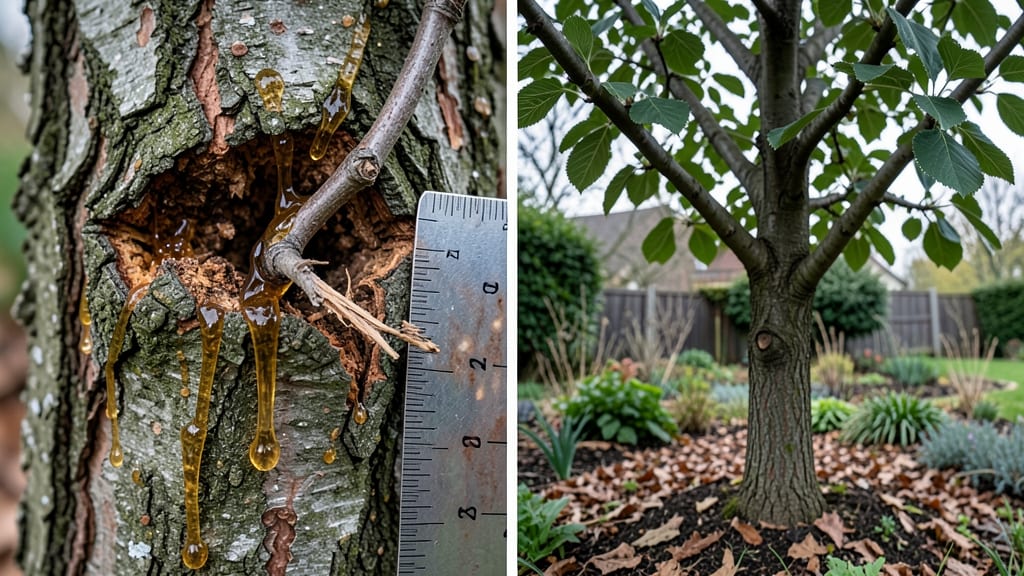
Your cherry tree’s leaking sap isn’t just messy—it’s a cry for help. 🌳 The sticky mess signals stress, damage, or pests, and ignoring it can weaken your tree’s health over time. The good news? Most sap leaks respond to simple fixes once you identify the root cause.
Start by inspecting the wound or trunk for cracks, borer holes, or fungal growth. Sap often leaks after pruning cuts heal improperly or when bark-splitting cold snaps damage the tree.
Once you spot the issue, clean the area with rubbing alcohol and seal it with pruning sealer or tree wound paste. Within a few weeks, you’ll see new growth filling the wound, and the sap flow will slow.
For severe cases, like borer infestations, targeted treatments can restore your tree’s vitality. The key is acting fast—before the leak becomes a long-term weakness. Prevention is easier than repair: prune in late winter, protect young trees from harsh winters, and monitor for pests regularly.
A healthy tree resists stress better, keeping sap where it belongs—inside the trunk.
Root Causes Of Sap Bleeding
Understanding why your cherry tree is weeping sap helps you address the issue effectively. Sap bleeding—often called "bleeding" or "gumming"—is a natural (but sometimes excessive) response to internal pressure shifts. Below, we break down the primary triggers and their scientific explanations.
---
Cherry trees, like many deciduous species, experience spring sap flow as they prepare to push new growth.
This occurs when: - Root pressure (osmotic forces drawing water into roots) exceeds the tree’s ability to transport it upward through the xylem. - Cold winter dormancy halts transpiration (water loss via leaves), but roots remain active, building pressure. - Warm spring days trigger rapid cell division in buds, increasing demand—but the tree’s vascular system isn’t yet fully functional.
Why it matters: If the tree’s phloem (food transport tissue) or xylem (water transport tissue) is damaged, sap escapes through weak points like bark cracks or pruning wounds. This is especially common in young trees or those recovering from stress.
---
Any disruption to the bark or vascular system can create exit points for sap.
Common culprits include: - Improper pruning cuts (too aggressive, jagged, or made during active growth seasons). - Bark injuries from tools, wildlife (e.g., deer rubbing), or hail. - Boring insects (e.g., sapsuckers, bark beetles) that create holes for feeding. - Mechanical stress (e.g., lawnmower damage, construction impacts).
Key detail: Sap flows more heavily when damage occurs near the cambium layer (the tree’s growth layer between bark and wood). This layer is rich in phloem, which transports sugars—and when breached, it "bleeds" like an open wound.
--- Extreme conditions can force sap to leak as a survival mechanism.
Watch for these red flags: - Rapid temperature swings (e.g., freezing nights followed by warm days) disrupt normal sap flow. - Drought stress causes roots to pull water aggressively, but if the ground is frozen or dry, the tree compensates by exuding sap. - Fungal/bacterial infections (e.g., silver leaf disease or canker) clog vascular pathways, forcing sap to escape through alternative routes. - Poor soil drainage leads to root asphyxiation, reducing the tree’s ability to regulate internal pressure.
Pro tip: 💡 If sap is dark, sticky, or smells foul, it may signal a deeper infection rather than just seasonal bleeding.
--- While less common, deficiencies or excesses of key nutrients can trigger abnormal sap flow: - High nitrogen levels (from over-fertilization) stimulate rapid growth, overwhelming the tree’s vascular system. - Potassium or calcium deficiencies weaken cell walls, making them more prone to rupture under pressure. - Salt buildup (from road de-icing or poor soil amendments) disrupts osmotic balance, forcing sap to leak.
Test your soil: A simple pH test (5.5–7.0 is ideal for cherries) or nutrient analysis can reveal if imbalances are contributing.
--- Certain pathogens directly attack the cambium, forcing sap to escape: - Bacterial canker (Pseudomonas syringae) creates oozing cankers that weep sap and gum. - Fungal cankers (e.g., Nectria) kill cambial tissue, leading to gummy, tar-like exudates. - Sap-sucking insects (e.g., spittlebugs, aphids) inject toxins that damage phloem, triggering defensive sap flow.
Visual clue: 🔍 Look for sunken, discolored bark or honeydew residue (a sticky byproduct of sap-sucking pests).
--- Not all cherry trees bleed equally. Factors like: - Species susceptibility (e.g., sour cherries bleed more than sweet cherries). - Tree age (young trees <10 years old have thinner bark and higher pressure). - Root graft connections (if multiple trees share roots, pressure can spread).
Fun fact: 🌟 Some cherries (like ‘Stella’ or ‘Montmorency’) are bred for low sap flow, making them better candidates for urban planting.
--- While light sap bleeding in spring is normal, seek help if you see: ✅ Heavy, persistent oozing (more than a few drips per day). ✅ Dark, foul-smelling sap (sign of rot or infection). ✅ Wilting, yellowing leaves (vascular blockage). ✅ Large bark wounds (pest or mechanical damage).
Next steps: If the cause is structural (pruning, pests, or disease), act quickly—delaying treatment can lead to dieback or tree death. Stay tuned for our diagnosis and repair guide to address the root issue!
Quick Fixes for Sap Flow Issues
If your cherry tree is weeping sap like a sad sapling, don’t panic—there are practical ways to stop the mess and keep your tree thriving. Below, we’ve mapped out cause-specific solutions, from immediate fixes to long-term prevention. Follow these steps to restore balance and protect your tree’s health.
---
Cause: Over-pruning or improper cuts expose raw wood, triggering sap flow. Solution: 1. Seal the Wound 🔥 - Use pruning sealant (like Tanglefoot Tree Wound Pruning Sealer) on fresh cuts to prevent bacteria and pests from entering. - Apply within 24 hours of pruning for best results.
2. Prune Correctly 👨🍳 - Make clean cuts at a 45-degree angle, just outside the branch collar (the swollen area where the branch meets the trunk). - Avoid tearing the bark—use sharp, sterile tools.
3. Thin Out, Don’t Top ✂️ - Never remove more than 25% of the tree’s foliage in one season. - Avoid "topping" (cutting back to a stub)—it stresses the tree and invites disease.
💡 Pro Tip: If sap is gushing, wrap the wound with tree wound dressing (like a bandage) until it calluses over naturally.
---
Cause: Boring insects (like emerald ash borers) or fungal infections create entry points for sap. Solution: 1. Identify the Culprit 🔍 - Pests? Look for sawdust-like frass (insect droppings) or holes in the bark. - Fungus? Check for black streaks, ooze, or mushroom growth at the base.
2. Treat Infestations 🛡️ - For pests: Apply neem oil or insecticidal soap (follow label instructions). - For fungus: Use copper fungicide or baking soda spray (1 tbsp baking soda + 1 quart water + a drop of dish soap).
3. Remove Damaged Wood ⏰ - Cut out infected or infested branches 6–12 inches below the damage. - Sterilize tools with rubbing alcohol between cuts.
✨ Prevention: Inspect your tree monthly for early signs of pests or disease.
---
Cause: Extreme heat, drought, or transplant shock force sap to escape. Solution: 1. Water Deeply & Consistently 💦 - Drought-stressed trees need 1–2 inches of water per week (deep watering, not surface sprinkling). - Newly planted trees? Water 2–3 times per week for the first year.
2. Mulch Properly 🌿 - Apply 2–4 inches of mulch (wood chips or straw) around the base, but keep it 6 inches away from the trunk to prevent rot.
3. Shade & Windbreaks 🌳 - If your tree is in full sun, provide partial shade during peak heat (10 AM–4 PM). - Use burlap windbreaks if strong winds are causing stress.
🎯 Long-Term Fix: Plant companion trees (like oaks or maples) to create a microclimate that reduces stress.
---
- Over-fertilizing → Can burn roots and increase sap flow. Use balanced fertilizer (10-10-10) sparingly. - Ignoring Sap Stains → Dark streaks on bark?
It’s not always harmful, but if paired with wilting leaves, act fast. - Using Plastic Wrap → Never wrap wounds in plastic—it traps moisture and promotes rot. Use breathable tree wrap instead.
--- Final Thought: Most sap leaks are fixable with the right care. Act fast for wounds, treat pests early, and keep your tree hydrated—your cherry tree will thank you with plenty of fruit (and less mess)! 🍒🌟
Frequently asked questions
Is it normal for cherry trees to leak sap in spring?
Yes, but only to a limited extent. Light sap bleeding during early spring is natural as root pressure builds before buds open. However, if you see heavy, persistent oozing (more than a few drips per day) or dark, foul-smelling sap, this signals stress or damage that needs attention.
How do I tell if sap leaking is from pests or just normal spring flow?
Look for these clues: Tiny holes in the bark or sawdust-like frass (insect droppings) mean pests like sapsuckers. Dark, sticky sap with a foul odor suggests fungal infections. Normal spring flow appears as clear, watery droplets without accompanying damage or discoloration.
Can I use duct tape to stop sap from leaking?
Never use duct tape—it traps moisture and promotes rot. Instead, use a specialized tree wound dressing or pruning sealant (like Tanglefoot) to protect the wound while allowing it to heal naturally. Apply within 24 hours of noticing the leak for best results.
Will sealing sap leaks hurt my cherry tree?
Not if done correctly! Proper sealing prevents pests and disease from entering the wound while allowing the tree to heal. Only seal fresh cuts or active leaks—let old, callused-over wounds breathe naturally. Avoid plastic wraps, which suffocate the tree.
How long does it take for a sealed wound to stop leaking?
Most minor wounds stop leaking within 2-4 weeks as the tree forms callus tissue. For severe cases (like large pruning cuts or pest damage), healing may take up to 3 months