
Diseases
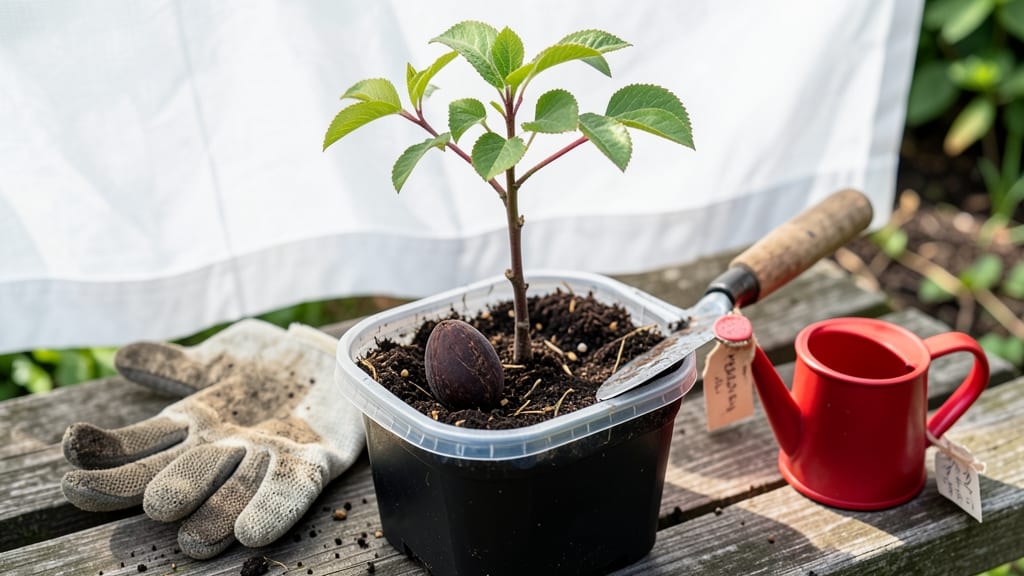
You can grow a plum tree from a plum seed, but the process is unpredictable and rarely produces fruit identical to the parent plant. Seedlings may take 5-7 years to bear fruit and often develop wild-type characteristics instead of the cultivated parent's traits. For consistent, high-quality fruit, grafting remains the more reliable method.
Growing a plum tree from seed taps into nature's genetic lottery—each seed carries unique traits that may differ dramatically from the parent fruit. 🌱 The process begins with stratification, where seeds undergo cold treatment to break dormancy, typically requiring 6-8 weeks in moist sand or peat moss.
Even with proper care, seed-grown trees often develop smaller fruit with different flavors or textures, as they're essentially starting from a wild genetic baseline. Gardeners who attempt this often do so for curiosity or to experiment with new varieties, knowing the results may surprise them.
For those seeking reliable, true-to-type fruit production, grafting cultivated scions onto compatible rootstock remains the gold standard.
If you're set on trying seed propagation, start by selecting healthy, fully ripe plums from a tree you trust. After removing the pit, clean it thoroughly to prevent mold, then refrigerate it for 6-8 weeks before planting.
Once sprouted, seedlings need consistent moisture and protection from harsh winds until established. Remember, patience is key—these trees may not fruit for years, and their quality could vary wildly from the original plum's characteristics.
💡 In This Article
- How Plum Seed Germination Works and What to Expect
- Step-by-Step Guide to Growing Plum Trees from Seeds vs Grafting
How plum seed germination works and what to expect
Plum seeds enter a natural dormancy period due to their hard outer shell and chemical inhibitors that prevent premature sprouting.
This protective mechanism ensures seeds only germinate when conditions are optimal—typically after a cold winter period. 🌱 The process begins with stratification, where seeds are exposed to cold, moist conditions for 6-8 weeks at temperatures between 34-41°F.
During this time, the seed's embryo undergoes physiological changes that break dormancy, preparing it for germination. Without this cold treatment, many plum seeds would remain dormant indefinitely, even if planted in warm soil.
The genetic variability in seed-grown plum trees stems from cross-pollination before the fruit was harvested. Plums are typically self-pollinating but can also receive pollen from nearby trees, creating offspring with mixed traits.
This is why a seed from a Santa Rosa plum might produce a tree bearing fruit that's smaller, more tart, or even a different color than the parent. 🍑 The resulting tree could also have different disease resistance, growth habits, or cold hardiness.
For example, a seedling from a European plum might develop into a tree more suited to wild conditions than a cultivated orchard, with thicker bark and deeper roots but less predictable fruit quality.
Once stratification is complete, germination typically occurs within 2-4 weeks after planting in warm, well-draining soil. Seedlings emerge with two cotyledons (seed leaves) that provide initial nourishment before true leaves develop.
The first 12 months are critical for establishing a strong root system—young plum seedlings need consistent moisture but must also develop drought tolerance.
During this phase, gardeners often face challenges like damping-off (a fungal disease) or pest pressure from slugs, which can be mitigated by using sterile potting mix and organic mulch.
Here's what the growth timeline looks like for seed-grown plums:
- Year 1: Focuses on root development and initial shoot growth (1-2 feet tall)
- Year 2-3: Rapid above-ground growth (6-10 feet possible) but still no flowers
- Year 4-5: First signs of blooming, though fruit may be sparse or underdeveloped
- Year 5-7+: Potential for first significant fruit production, though quality remains unpredictable
The unpredictable nature of seed-grown plums extends to their fruit characteristics. While some seedlings may produce plums with acceptable quality, others could yield fruit that's too small (1-2 inches in diameter), overly tart, or prone to cracking. The stone pit itself might also be larger relative to the fruit, making it less desirable for fresh eating. For comparison, cultivated plum varieties like Larry Ann or Blackamber are bred for 2-3 inch fruit with balanced sweet-tart flavors and thicker flesh—traits that rarely appear in seed-grown trees.
What most gardeners don't realize is how environmental factors during the seedling stage can permanently influence the mature tree. For instance, exposing young plum seedlings to extreme heat during their first summer can cause them to develop shallow root systems that struggle in later years.
Similarly, inconsistent watering during critical growth periods can lead to weaker wood structure, making the tree more susceptible to wind damage. These early conditions create what horticulturists call "environmental imprinting," where the tree's physiological responses become permanently adapted to those conditions.