
Pests and Diseases
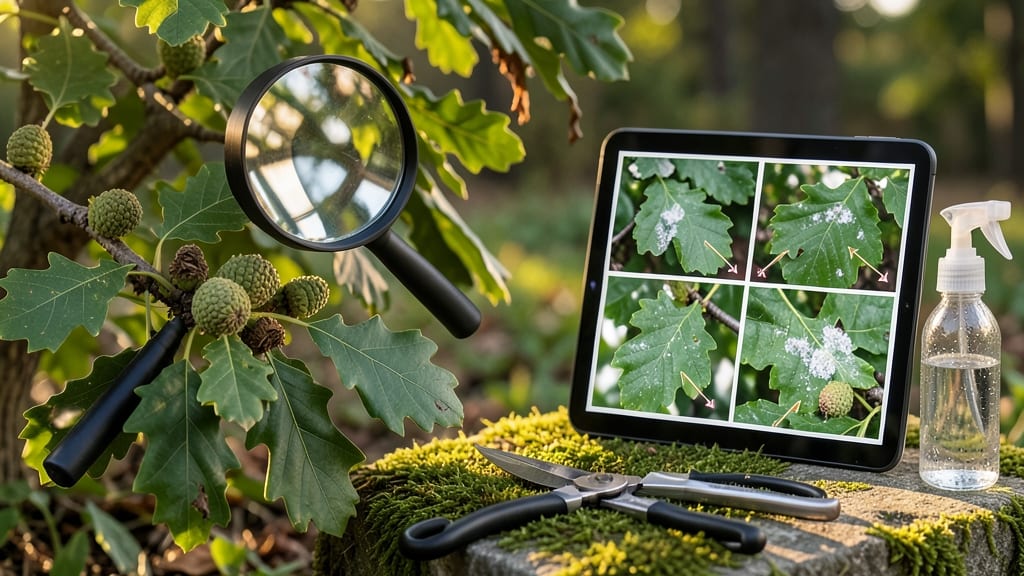
Those weird little bumps on your oak leaves aren’t just odd—they’re likely gall wasps building tiny homes. 🌿 I’ve seen my share of oak trees turn into what looks like a science experiment gone wild, and the good news is most of these bumps won’t kill your tree, but they will make it look like something out of a horror movie.
The most common culprits are oak apple galls, marble galls, or spiny oak galls—all created by wasps laying eggs in the leaves. They’re harmless to the tree’s health but can make your oak look like it’s suffering.
The bumps themselves are just the tree’s way of reacting to the wasp eggs, not a sign of disease or stress.
You can prune off heavily infested branches in late winter or early spring, but the real key is prevention—keep your oak healthy with proper watering and mulching. If the bumps are everywhere and the tree looks weak, it’s time to call an arborist before the problem spreads.
Don’t panic if you spot these bumps—most oaks bounce back just fine. The worst that’ll happen is your tree looks like it’s hosting a tiny wasp colony, and even that’s part of nature’s quirky side.
Root Causes Behind Leaf Bumps
If your oak tree’s leaves are developing strange bumps, don’t panic—these are often signs of nature’s tiny architects at work. While some causes are harmless, others can stress your tree if left unchecked.
Below, we break down the most common reasons why oak leaves develop bumps, from insect activity to environmental factors, so you can identify the issue and respond accordingly.
Gall wasps are the most frequent culprits behind bumps on oak leaves. These tiny insects (often no bigger than a pinhead) lay eggs on young leaves, stems, or buds.
When the larvae hatch, they trigger the tree to form a protective gall—a swollen, bumpy growth rich in nutrients to feed the developing wasp. The result? Distinctive, often round or elongated bumps that can vary in size and texture.
Key identifiers:
- 🌿 Round, spongy, or hard bumps (e.g., oak apple galls, marble galls)
- 📏 Smooth or hairy surfaces, depending on the wasp species
- 🌱 Common on red oak leaves (though white oaks can host galls too)
While gall wasps may look alarming, they rarely kill mature oak trees. The tree’s immune response—producing the gall—actually protects it from further damage. However, severe infestations can weaken young trees or cause premature leaf drop.
Certain fungi, like Taphrina species, can cause leaf bumps by altering the tree’s growth patterns. These pathogens often thrive in damp, humid conditions and trigger abnormal cell growth, leading to thickened, warty, or blistered spots on leaves.
Unlike gall wasps, fungal bumps are usually yellow, orange, or brown and may spread across the leaf surface.
How to spot fungal bumps:
- 🌧️ Wet spring seasons increase risk
- 🍂 Leaves may curl or distort alongside bumps
- 🔍 Check undersides of leaves for fuzzy or powdery growth
Fungal infections are more concerning for tree health, as they can reduce photosynthesis and spread to branches. Proper pruning and fungicides (when severe) can help manage outbreaks.
While gall wasps dominate, other insects can also cause leaf bumps, though these are less frequent on oaks. For example:
| Insect | Bump Type | Notes |
|---|---|---|
| 🐜 Spider Mites | Tiny, raised yellowish speckles (often with webbing) | More common in dry conditions; can cause stippling. |
| 🐛 Scale Insects | Hard, brownish bumps (resemble warts) | Attracted to stressed trees; secrete honeydew. |
| 🦋 Leafminers | Blister-like pustules (larvae tunnel inside leaves) | Leaves may turn yellow or brown in severe cases. |
These insects typically cause secondary symptoms like leaf discoloration, wilting, or honeydew buildup. If you suspect one of these pests, inspect the leaf undersides or new growth for signs of webbing, frass (insect waste), or tiny eggs.
Sometimes, bumps aren’t caused by pests or diseases at all—they’re your oak tree’s way of coping with stress. Extreme temperature swings, nutrient deficiencies, or physical damage (like hail or frost) can trigger abnormal cell growth, leading to:
- 🥶 Frost cracks (raised, irregular bumps on edges)
- 💧 Water stress bumps (small, dry, corky spots)
- 🌱 Nutrient deficiencies (e.g., zinc deficiency causes "little leaf" with bumpy texture)
Environmental bumps are usually less uniform than those caused by insects or fungi. Check the tree’s overall health—wilting, yellowing, or stunted growth can confirm stress as the root cause.
💡 Pro Tip: If you’re unsure whether bumps are from pests, fungi, or stress, collect a few affected leaves and examine them under a magnifying glass. Look for:
- 🔍 Tiny holes or larvae (insects)
- 🍄 Fuzzy or powdery textures (fungi)
- 🌡️ No visible pests but leaf discoloration (stress)
Next steps depend on the cause—stay tuned for our diagnostic guide to take action!
Fixing Leaf Bumps Naturally
If you’ve spotted those pesky bumps on your oak tree leaves—likely the work of gall wasps—don’t panic! While they might look unsightly, most galls are harmless to the tree itself.
However, if you’d like to reduce their presence or prevent future infestations, here’s a practical, step-by-step guide to tackle the issue without harsh chemicals.
If the bumps are widespread and affecting the tree’s health, you can prune and dispose of heavily infested branches. Gall wasps thrive in dense clusters, so thinning out the foliage can disrupt their lifecycle.
Steps:
- 🔪 Trim affected branches in late winter or early spring (before wasps emerge).
- ⏰ Time it right: Do this when the tree is dormant (late fall or early spring) to avoid stressing it.
- 🗑️ Bag and discard pruned branches—do not compost them (wasps may survive and reinfest).
⚠️ Warning: Avoid over-pruning—remove only the worst-hit areas to keep the tree healthy.
Gall wasps have many natural enemies, including parasitic wasps, birds, and insects. Creating a pest-balanced ecosystem around your oak tree can help keep their numbers in check.
How to help:
- 🐦 Plant native flowers (like milkweed or goldenrod) to attract beneficial insects.
- 🌳 Avoid broad-spectrum pesticides—they kill helpful predators too.
- 💧 Water deeply but less often to promote strong, healthy trees (weak trees attract more pests).
The best defense is a strong, resilient oak tree. Follow these prevention tips to make your tree less appealing to gall wasps:
- 🌱 Keep the tree healthy: Fertilize in early spring with a slow-release, organic fertilizer (like compost or worm castings).
- 🪓 Prune properly: Remove dead or diseased branches to reduce hiding spots.
- 🌧️ Monitor watering: Overwatering can stress trees—stick to deep, infrequent watering.
- 🕵️ Inspect regularly: Check for early signs of galls in spring and summer before they spread.
- 🚫 Don’t squish galls—it can release pheromones that attract more wasps.
- 🚫 Avoid chemical sprays—most are ineffective against gall wasps and harm the environment.
- 🚫 Don’t ignore the tree—even if galls are unsightly, a healthy tree can handle them better.
Gall wasps are a natural part of many ecosystems, and most oak trees recover just fine. Focus on tree health first, and the bumps will likely fade over time—especially if you take preventive steps.
By combining pruning, natural predators, and good tree care, you can keep your oak tree thriving while minimizing those pesky bumps! 🌳✨
Frequently asked questions
Are bumps on oak leaves always caused by gall wasps?
Not always! While gall wasps are the most common culprit, fungi like Taphrina can also create bumps that look like warty growths. Look for yellow or orange discoloration—if the bumps are smooth and spread across the leaf, it’s more likely a fungal issue rather than wasp galls.
Will pruning remove gall wasps permanently?
Pruning helps reduce infestations, but gall wasps often return if the tree is stressed. Focus on late winter/early spring pruning and combine it with tree health care—healthy trees bounce back better and attract fewer pests.
Can I use homemade sprays to treat oak leaf bumps?
Most homemade sprays (like neem oil) won’t work on gall wasps—they’re already protected inside the gall. Instead, focus on preventing stress (proper watering, mulching) and encouraging natural predators like birds and parasitic wasps.
Are bumps on oak leaves harmful to humans or pets?
No, the bumps themselves aren’t dangerous. However, some gall wasps may sting if disturbed (rare). Avoid crushing galls—it can release irritating pheromones. Always wash hands after handling infested leaves, just as a precaution.
How do I know if my oak tree is stressed enough to need help?
Watch for these signs: yellowing leaves, stunted growth, or excessive leaf drop alongside the bumps. Healthy oaks can handle galls, but if the tree looks weak, consult an arborist—they can check for underlying issues like root rot or nutrient deficiencies.