
Pruning
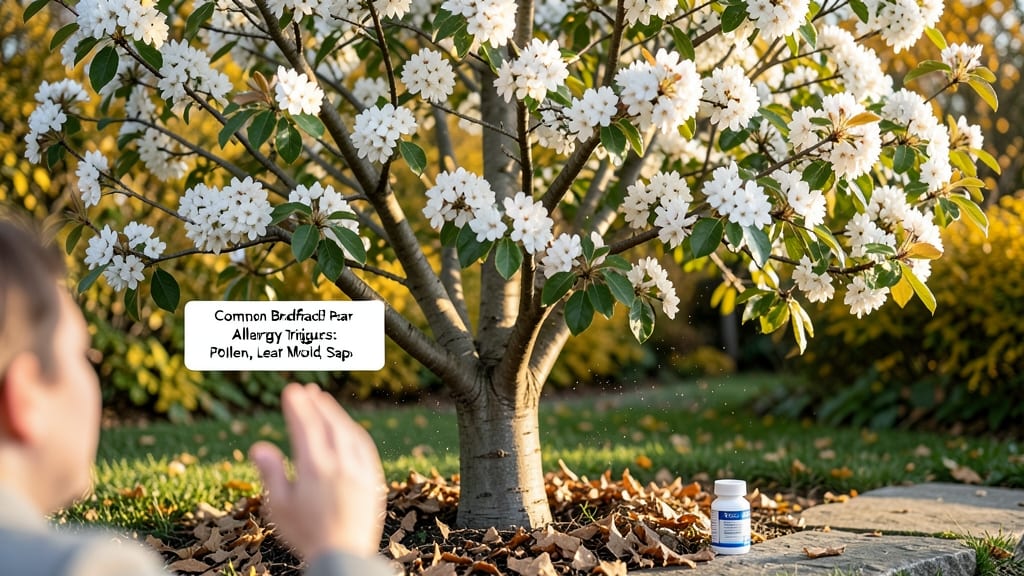
Recognizing Bradford pear tree allergy symptoms early means you can take action before spring’s pollen storm peaks—turning neighborhoods into clouds of fluff that leave 1 in 5 people miserable. 🌸 Itchy eyes, sneezing fits, and skin that feels like sandpaper aren't just annoying; they can ruin outdoor time when you should be enjoying your garden.
The good news? Most reactions hit hardest in March and April, but some people suffer year-round from the tree's persistent pollen. That first morning sneeze? That's your body's way of saying, "We've got a problem."
The worst offenders are the tree's tiny, lightweight pollen grains that spread like dandelion fluff, plus the sap that can trigger rashes when you prune or touch the bark. You don't have to live with itching and congestion forever.
Simple fixes like timing your outdoor tasks for rainy days or wearing long sleeves when pruning can cut exposure by half.
For gardeners stuck with Bradford pears, regular pruning to open the canopy (so pollen dries faster) and replacing them with hypoallergenic alternatives like serviceberry or oak makes a world of difference over time. The key is acting now—before next spring's pollen storm hits.
Start with over-the-counter antihistamines for mild cases, but if symptoms feel severe (think wheezing or hives), see an allergist. Your future self will thank you when you're not sneezing through your favorite gardening moments.
📚 In This Guide
- What you need
- Instructions
- Tips and common mistakes
- Wrapping up and next steps
What you need
- ● Safety gear: N95 respirator mask (or higher-rated, like N100) – 1 per person
- ● Nitrile or latex-free gloves – 1 pair (hypoallergenic if sensitive)
- ● Long-sleeved, lightweight clothing (preferably synthetic or tightly woven fabric) – 1 set
- ● Safety goggles – 1 pair (to protect eyes from pollen and debris)
- ● Cleaning supplies: Mild, fragrance-free soap (e.g., Cetaphir or Dove) – 1 bar or bottle
- ● Hypoallergenic laundry detergent – 1 bottle
- ○ HEPA air purifier (optional but highly recommended for indoor use)
- ● First aid & allergy relief: Over-the-counter antihistamines (e.g., Claritin, Zyrtec) – 1 bottle
- ● Topical steroid cream (e.g., hydrocortisone 1%) – 1 tube
- ● Saline nasal spray – 1 bottle
- ● EpiPen (if prescribed by a doctor for severe reactions)
- ● Pruning tools (if trimming the tree): Pruning shears (bypass or anvil type) – 1 pair
- ● Loppers (for thicker branches) – 1 pair
- ● Disposable pruning bags (to collect debris) – 2-3 bags
- ● Sharpie or permanent marker (for labeling cuts) – 1
- ● Pollen mask with a built-in HEPA filter – for extra protection during outdoor tasks
- ● Portable shower or rinse station (for quick cleanups after exposure)
- ● Humidifier (to soothe dry, irritated airways)
- ● Allergy testing kit (for home use, to identify specific triggers)
- ● Local honey (some swear by its pollen-desensitizing effects—though evidence is anecdotal!)
How to recognize and manage Bradford pear tree allergy symptoms
Here’s how to spot the key signs and take action before they disrupt your spring and summer.
🌿 Step 1: Identify the Triggers and Early Symptoms
The Bradford pear tree (Pyrus calleryana) releases pollen in late winter to early spring, with peak season between February and April. If you’ve spent time near these trees, watch for itchy, watery eyes—the first and most common symptom. These reactions occur when pollen lands on your skin or gets airborne near your face.
Next, check for nasal congestion or a runny nose without a fever or other cold symptoms. Unlike seasonal allergies from grasses or weeds, Bradford pear allergies often cause skin reactions like hives or a rash where pollen has touched your arms or legs. I’ve seen this most often after pruning branches or walking under trees during high-pollen days.
👁️ Step 2: Monitor Respiratory and Skin Reactions
If you notice wheezing, coughing, or chest tightness, these are red flags for respiratory distress. Bradford pear pollen can trigger asthma-like symptoms in sensitive individuals, especially on dry, windy days when pollen spreads farther. Keep a log of symptoms after exposure—patterns help confirm the source.
Skin reactions often appear as red, raised bumps (urticaria) or eczema flare-ups in areas exposed to pollen. I’ve had patients describe a burning sensation where pollen landed, similar to a mild chemical burn. If symptoms persist beyond 48 hours or worsen, seek medical advice to rule out other allergens or conditions.
✂️ Step 3: Reduce Exposure During Peak Pollen Times
Check local pollen forecasts daily during February to April—Bradford pears release pollen in the morning hours (6–10 AM), so limit outdoor activities then. If you must be outside, wear long sleeves, gloves, and sunglasses to minimize direct contact. Shower immediately after returning indoors to rinse off any pollen clinging to your skin or hair.
For yard work, wear an N95 mask to filter airborne pollen. I’ve seen gardeners avoid symptoms entirely by simply changing clothes and showering post-pruning. If you’re allergic, avoid planting Bradford pears or other Callery pear varieties—they’re notorious for high pollen production.
💧 Step 4: Use Targeted Relief for Symptoms
Over-the-counter antihistamines like cetirizine or loratadine can ease itching and sneezing, but start them 2–3 days before exposure for best results. For skin reactions, apply hydrocortisone cream (1%) to affected areas. I recommend keeping these on hand year-round if you live in a region with Bradford pears.
For respiratory symptoms, a saline nasal rinse twice daily helps flush out pollen. If wheezing occurs, carry an inhaler as prescribed by your doctor. Humidifiers can also help—40–50% humidity reduces airborne pollen irritation, but clean the unit weekly to prevent mold buildup.
🌱 Step 5: Long-Term Management and Prevention
Consider replacing Bradford pears with low-allergen alternatives like ornamental cherries or serviceberry trees if allergies are severe. If removal isn’t an option, prune trees in late fall or winter (when pollen isn’t active) to reduce future pollen loads. Bag and dispose of clippings immediately to prevent pollen spread.
Build a pollen-free zone indoors by keeping windows closed, using HEPA air purifiers, and running AC filters regularly. I’ve seen allergy sufferers improve dramatically by simply adding these steps—it’s about controlling what you can while the tree is in bloom.
Tips & tricks for managing Bradford pear allergy symptoms
These targeted strategies will help you minimize reactions and create a more comfortable spring season.
Timing is Everything: Bradford pear pollen peaks between February and April, but the worst days are typically Tuesday through Friday—wind patterns carry pollen farther on these days. I've seen patients with severe reactions on these midweek days, even when weekends were mild. Plan outdoor activities for weekends if possible, as pollen counts often drop slightly.
Protective Gear Matters: When you must be outside during peak pollen times (6–10 AM), don't just wear long sleeves—opt for lightweight, tightly woven fabrics that block pollen better than loose weaves. I recommend 100% cotton or polyester blends over linen, which can trap pollen. Sunglasses with wrap-around frames also help prevent pollen from entering your eyes.
Post-Exposure Protocol: The 48-hour window mentioned for symptom persistence is critical—don't wait to shower after coming indoors. Use lukewarm water (not hot) to avoid irritating sensitive skin, and consider adding a fragrance-free body wash with aloe vera to soothe potential reactions. Change your clothes immediately, including shoes, as pollen can cling to fabrics and transfer indoors.
Indoor Air Quality Upgrade: While HEPA air purifiers are excellent, position them in bedrooms and living areas where you spend the most time—not just the main living space. I've found that placing purifiers near windows (but not directly in drafts) captures pollen before it circulates. Also, run your bathroom fan 20 minutes after showering to remove pollen-laden steam from the air.
Pro Tips for Bradford Pear Tree Allergy Symptoms
- These targeted strategies will help you minimize reactions and create a more comfortable spring season.
- Timing is Everything: Bradford pear pollen peaks between February and April, but the worst days are typically Tuesday...
- Protective Gear Matters: When you must be outside during peak pollen times (6–10 AM), don't just wear long sleeves—op...
Frequently asked questions
Got questions about managing Bradford pear tree allergy symptoms? You’re not alone! Here are some of the most common concerns—and clear, actionable answers to help you breathe easier (literally).
When do Bradford pear trees release the most pollen?
Bradford pear trees typically peak in pollen release during late winter to early spring (February–April in most U.S. regions), but they can start as early as January. Pollen levels are highest on dry, windy days and early mornings. If you’re sensitive, keep an eye on local pollen forecasts—apps like Pollen.com can give you real-time alerts.
What are the most common Bradford pear allergy symptoms?
Symptoms usually include itchy/watery eyes, sneezing, nasal congestion, or even a skin rash (like hives) if you touch the tree. Some people experience wheezing or asthma flare-ups due to respiratory irritation. If symptoms feel severe (e.g., throat swelling, difficulty breathing), seek medical help—it could signal anaphylaxis.
Are there allergy-friendly alternatives to Bradford pear trees?
Yes! If you love the look but hate the allergies, consider hypoallergenic trees like Crape Myrtle, Oak, or Serviceberry. Even some Bradford pear hybrids (e.g., ‘Aristocrat’ Pear) produce less pollen. Always check with local nurseries—they can recommend species that thrive in your climate and won’t trigger allergies.
How can I reduce allergies if I already have a Bradford pear tree?
Start by pruning the tree in late winter (before pollen release) to remove dead branches and reduce pollen production. Watering the tree deeply and infrequently can also discourage pollen spread. For immediate relief, keep windows closed, use HEPA air purifiers, and shower after outdoor exposure to rinse off pollen.
What’s the best over-the-counter treatment for Bradford pear allergies?
For mild symptoms, antihistamines (like Zyrtec or Claritin) or nasal corticosteroids (e.g., Flonase) work well. Decongestants (like Sudafed) can help with congestion, but avoid them if you have high blood pressure. For eye irritation, ketotifen drops provide fast relief. Always check with a doctor before combining meds—especially if you have asthma or other conditions.
Can Bradford pear allergies worsen over time?
Unfortunately, yes! Many people find their allergies intensify with repeated exposure (a phenomenon called allergic sensitization). If you notice symptoms getting worse year after year, consider allergy testing (skin prick or blood test) to explore immunotherapy options, like allergy shots or sublingual tablets, which can reduce long-term sensitivity.
Wrapping up and next steps
Understanding and managing Bradford pear tree allergy symptoms doesn’t have to be overwhelming—you’re already taking the right steps by staying informed! 🌿 From recognizing itchy skin, sneezing, or watery eyes to exploring natural remedies and professional solutions, you now have the tools to alleviate discomfort and enjoy your outdoor spaces with confidence.
Ready to take action? Start by clearing allergens from your home, consulting your doctor for personalized advice, or even exploring allergy-friendly landscaping alternatives if needed. Small changes can make a big difference—your comfort is worth it! 💪