
Pruning
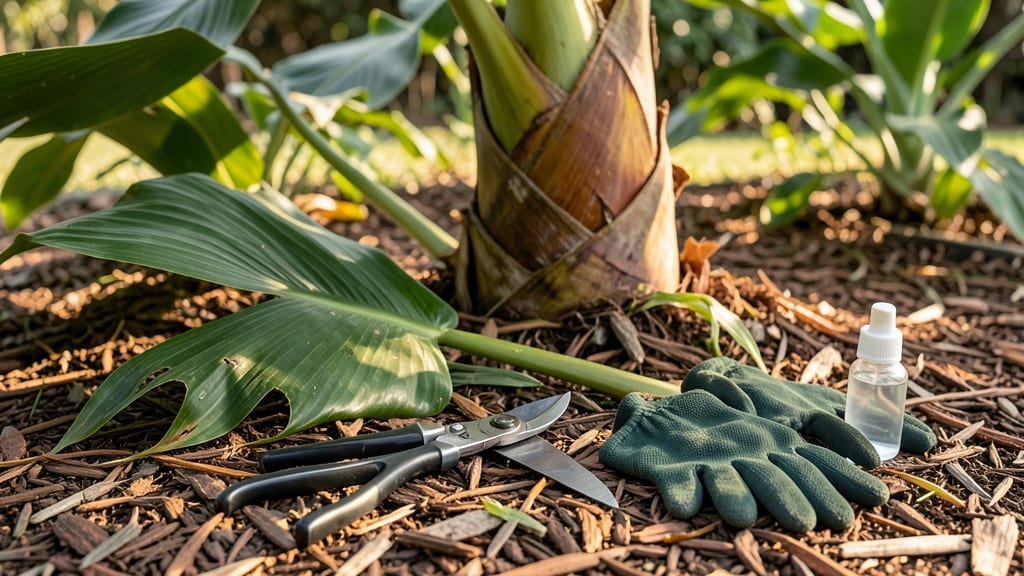
Banana tree trimming transforms a wild, tangled mess into a productive, graceful plant that keeps bearing fruit year after year. 🌿 I’ve watched my own banana trees go from scraggly and overgrown to neat, vibrant producers—just by following a few key rules about when and how to cut.
The secret isn’t aggressive pruning; it’s strategic timing and knowing exactly which parts to remove.
You’ll need sharp pruners, a clean saw for thicker stems, and a pair of gloves—banana trees are tough but can be surprisingly sharp. The best time to trim is right after fruiting, when the plant naturally slows down, or during dormancy in cooler climates.
Never cut into the main pseudostem (the thick trunk-like structure) unless it’s completely dead, as that’s where new growth emerges.
Start by removing only the dry, brown fronds—these are dead leaves that drain energy from the plant. Then, if the pseudostem is hollow or split, you can trim it down to a healthy section, but leave at least 6-12 inches of solid growth.
The goal is to keep the tree balanced, not stripped down to the ground. Within weeks, you’ll see fresh, lush fronds emerging, and the plant will redirect its energy into stronger roots and more fruit.
Here’s the game-changer: never trim more than 30% of the plant at once. Over-pruning shocks the tree and can kill it, while gentle cuts encourage steady growth. If you’re in a warm climate, you can trim lightly every few months to maintain shape and health.
Now, let’s get those tools ready—your banana tree is waiting for a little TLC.
📚 In This Guide
- What you need
- Instructions
- Tips and common mistakes
- Wrapping up and next steps
What you need
- ● Pruning shears or loppers: Choose bypass pruners (for clean cuts) with a 4-6 inch blade for smaller branches. For thicker stems, opt for loppers with 8-12 inch blades and a longer handle (24+ inches) for leverage.
- ● Sterilized pruning saw: A curved-tooth pruning saw (8-10 inches) for cutting through thick, woody stalks (e.g., pseudostems). Sterilize with rubbing alcohol before and after use to prevent disease.
- ● Heavy-duty gloves: Garden gloves with reinforced palms (e.g., mechanics-grade) to protect against sharp edges and sap.
- ● Safety goggles: ANSI-rated to shield eyes from debris.
- ● Ladder or sturdy step stool: A stable, extendable ladder (6-8 ft tall) or a wide-base step stool (24+ inches) for reaching higher branches.
- ● Disinfectant (70% isopropyl alcohol or bleach solution): 1 part bleach to 9 parts water for cleaning tools between cuts.
- ● Heavy-duty trash bags (20-30 gallon): For hauling pruned material.
- ● Rake or pruning hook: A sturdy garden rake or curved pruning hook to clear debris from the base.
- ● Sharpie or marking pen: For labeling cuts on young trees.
- ○ Tree wound dressing (optional): Pruning sealant (e.g., Tanglefoot Tree Wound Pruning Seal) for large cuts only if needed (see tips below!).
- ● Extension pole pruners: For overhead branches without climbing.
- ● Compost bin: To recycle pruned material into nutrient-rich compost.
- ● First-aid kit: Just in case of minor scrapes or sap irritation.
Step-by-step banana tree trimming: year-round precision
Let’s turn your banana tree into a thriving, graceful plant with these simple yet effective trimming techniques.
🌿 Step 1: Identify and Remove Dead or Diseased Leaves
Start by scanning your banana tree for any leaves that are completely brown, yellowed, or showing signs of rot or pest damage. These are your first targets—they’re not just unsightly, they’re energy drains on your plant. Use clean, sharp pruning shears to cut these leaves at the base, about ½ inch above the next healthy leaf or growth node.
Here’s the thing—banana trees are heavy producers, so you’ll often find old, dried leaves clinging to the trunk. These can harbor pests and diseases, so remove them too. If a leaf is only partially damaged, you can trim just the affected portion, but leave the rest if it’s still green and healthy. This ensures you’re not over-trimming and weakening the plant.
✂️ Step 2: Prune Overgrown or Crowded Fronds
Banana trees grow large, dramatic leaves called fronds, and while they’re stunning, too many can shade the center of the plant, leading to poor air circulation and potential fungal issues. Focus on the oldest, outermost fronds first—they’re the ones that won’t regrow and are taking up space. Cut these back to the base, making sure to angle your cuts slightly to prevent water from pooling.
If your banana tree has fronds that are leaning or growing in odd directions, trim them back too. This isn’t just about looks—it encourages new, upright growth. Real talk: I’ve seen banana trees become so top-heavy with fronds that they topple over. Don’t let that happen to yours. Aim to leave about 3-4 healthy, mature fronds on the plant at any given time.
🌱 Step 3: Trim Suckers for Controlled Growth
Suckers are the smaller shoots that grow from the base of your banana tree. While they’re great for propagation, too many can compete with your main plant for nutrients and water. Decide which sucker you want to keep—usually the strongest, healthiest one closest to the main trunk—and remove the rest. Cut suckers at the base, using your pruning shears to make a clean cut. Avoid tearing the tissue, as this can leave wounds that invite disease.
If you’re not ready to remove a sucker yet, you can hold off, but don’t let more than 2-3 suckers grow at once. Overcrowding leads to weak, leggy growth. I like to keep one main sucker as a backup in case my primary plant gets damaged. It’s like having a spare tire—you hope you never need it, but it’s good to have.
☀️ Step 4: Maintain the Trunk and Encourage New Growth
Once you’ve removed the dead leaves, overgrown fronds, and excess suckers, take a moment to inspect the trunk. Banana trees can develop scars or weak spots over time, so smooth out any rough edges with your pruning shears. If you see any large, open wounds, you can apply a thin layer of horticultural sealant to protect the plant, but most small cuts will heal on their own with time.
After trimming, your banana tree will likely start sending out new growth from the center. This is a good sign! To encourage this, make sure your plant is getting plenty of sunlight—6-8 hours of direct sun daily. If your tree is in a shady spot, it might not produce as vigorously. Water deeply after trimming to help the plant recover and settle into its new shape. You’ll notice new fronds emerging within a few weeks.
⏰ Step 5: Schedule Regular Maintenance Trims
Banana trees don’t need trimming year-round, but a little maintenance goes a long way. After the initial heavy pruning, plan to do a lighter trim every 3-4 months to remove any new dead leaves or overgrown fronds. This keeps your plant looking neat and prevents it from becoming too top-heavy. In colder climates, you might reduce trimming during the winter months when growth slows down.
Don’t skip this step—I know it seems like extra work, but it’s what keeps your banana tree thriving. Think of it like giving your plant a haircut. You wouldn’t let your hair grow wild, right? The same goes for your banana tree. Regular trims keep it healthy, encourage new growth, and make sure it stays strong enough to produce those delicious bananas (or stunning foliage, if you’re growing it for looks).
Tips & tricks for perfect banana tree trimming
Here's what nobody tells you—these little details make all the difference between a healthy banana tree and one struggling to keep up.
Tool Prep: Sterilize your pruning shears with rubbing alcohol before you start. I've seen so many gardeners skip this step, only to introduce fungal spores or bacterial infections through contaminated tools. Wipe them down between cuts on different parts of the plant, especially when moving from diseased areas to healthy ones. Clean tools also make cleaner cuts that heal faster.
Seasonal Timing: The best time to do your heavy trimming is in late winter or early spring, right before new growth begins. This gives your banana tree the full growing season to recover and produce new fronds. In warmer climates, you can trim year-round, but avoid heavy pruning during extreme heat or cold when the plant is already stressed. The 6-8 hours of direct sunlight mentioned in Step 4 becomes even more critical after trimming—this is when your tree needs maximum energy to regenerate.
Visual Growth Check: After removing dead leaves and fronds, look for the "growth node" where new leaves will emerge. It should look like a small bump or swelling on the trunk. If you cut too close (less than ½ inch above), you risk damaging this growth point. I've made this mistake twice—once I ended up with a stubby, deformed new leaf that never fully opened. When in doubt, err on the side of leaving a slightly longer stem rather than cutting too aggressively.
Post-Trim Care: Don't just cut and walk away! After trimming, give your banana tree a good drink of water—deep watering encourages root growth and helps the plant recover faster. I also like to apply a balanced fertilizer (like 10-10-10) a week after trimming to give it a nutrient boost for new growth. And here's a pro move: collect your trimmings and compost them. Those nutrient-rich leaves can become valuable soil amendments for your garden.
Pro Tips for Banana Tree Trimming
- Here's what nobody tells you—these little details make all the difference between a healthy banana tree and one struggling to keep up.
- Tool Prep: Sterilize your pruning shears with rubbing alcohol before you start.
- Seasonal Timing: The best time to do your heavy trimming is in late winter or early spring, right before new growth begins.
Frequently asked questions
Got questions about trimming your banana tree? You’re not alone!
Whether you're a first-time grower or a seasoned gardener, these answers will help you prune like a pro. Let’s dive in!
When is the best time to trim a banana tree?
Trim your banana tree after it fruits (usually in late winter or early spring) to encourage new growth. Avoid heavy pruning during flowering or fruiting—this stresses the plant. For tropical climates, light maintenance trimming can happen year-round, but never remove more than ⅓ of the foliage at once!
How do I trim a banana tree without killing it?
Use clean, sharp pruners to cut just above a leaf node (the bump where leaves grow). Remove only dead, yellow, or damaged leaves—never healthy ones. If you’re pruning for size, focus on the outer leaves first. Pro tip: Sterilize your tools with rubbing alcohol to prevent disease!
Can I trim a banana tree too much?
Yes! Over-trimming (cutting >⅓ of the leaves) starves the plant of energy, weakening its roots and reducing fruit production. If you’ve already trimmed too much, stop immediately and let the tree recover. Focus on light, strategic cuts moving forward—think "less is more" for banana trees!
Will trimming my banana tree make it produce more fruit?
Not directly—but proper trimming improves airflow and sunlight exposure, which can boost future fruit quality and quantity. Remove old, crowded leaves to redirect energy to new growth. Bonus: A well-maintained tree is less prone to pests and diseases, setting it up for a bigger, healthier harvest next season!
What should I do with the cut banana leaves?
Don’t toss them! Use trimmed leaves as mulch (chopped finely) to enrich your soil, or compost them for nutrient-rich fertilizer. Large, healthy leaves can even be used as natural shade for other plants. Just avoid leaving wet leaves piled near the base—they can attract pests!
Wrapping up and next steps
Trimming your banana tree isn’t just about keeping it tidy—it’s a game-changer for healthier growth, better fruit production, and long-term vibrancy. 🌿 With the right tools, timing, and techniques, you can transform your yard into a thriving oasis while making the process feel as rewarding as it is simple.
Now that you’re armed with the know-how, there’s only one step left: roll up your sleeves and get pruning!
Start small if you’re new—confidence grows with every cut. And remember, even the pros began somewhere. Happy trimming!