
Pruning
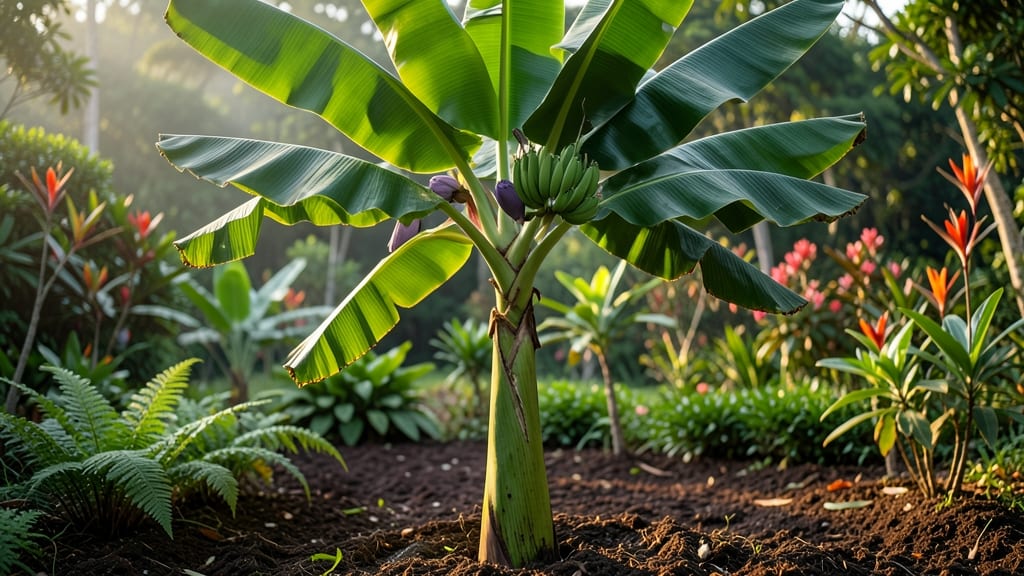
Cold-hardy banana trees in your yard bring tropical drama without the summer vacation. 🌿 I planted mine last spring, and the bold leaves and occasional fruit have become the centerpiece of our backyard—even when it snows.
These varieties actually survive Zone 5 winters with the right care, making them perfect for gardeners who want exotic beauty without the fuss.
Start with Musa basjoo or Musa acuminata 'Dwarf Brazilian', both of which handle temps down to 10°F. They grow 10-15 feet tall, so place them near a fence or patio where their height becomes a feature, not a problem.
The large, arching leaves create instant shade and a lush backdrop for perennials like hostas or ferns.
You'll love how they transform your space—imagine summer mornings with coffee under their shade or winter interest from their skeletal trunks. Pair them with ornamental grasses for movement or bright annuals at their base to highlight their tropical form.
The fruit, when it appears, is a bonus, but the visual impact is the real star.
Container growing works too—just use a 20-gallon pot for smaller varieties. Place it near a sunny wall or deck where you can enjoy the foliage up close. The key is protecting the roots in winter, which we'll cover next. Ready to add some drama to your yard?
📚 In This Guide
- What you need
- Instructions
- Tips and common mistakes
- Wrapping up and next steps
What you need
- ● Cold-hardy banana tree varieties: Dwarf Cavendish (Musa acuminata ‘Dwarf Cavendish’)
- ● Red Dacca (Musa acuminata ‘Red Dacca’)
- ● Bluggoe (Musa × paradisiaca ‘Bluggoe’)
- ● Potting soil or planting mix: 50 lbs of well-draining, organic-rich soil (or a blend of 60% topsoil, 30% compost, and 10% perlite/sand).
- ● Container (if potted): 15–20 gallon pot with drainage holes (or in-ground planting spot with loose, fertile soil).
- ● Mulch: 2–3 inches of straw or wood chips to insulate roots in winter.
- ● Fertilizer: Balanced 10-10-10 or banana-specific fertilizer (follow package rates).
- ● Pruning tools: Bypass pruners (for clean cuts)
- ● Loppers (for thicker stems)
- ● Sterilizing solution (rubbing alcohol or bleach)
- ● Winter protection: Burlap or frost cloth (for potted plants)
- ○ Insulating wrap or bubble wrap (optional for extra warmth)
- ● Soil moisture meter (to avoid over/under-watering).
- ● Slow-release fertilizer pellets (for convenience).
- ● Plant supports (stakes or cages for tall varieties).
- ● Epsom salt (magnesium boost for yellowing leaves).
- ● Thermometer (to monitor winter temps in containers).
How to plant and overwinter cold-hardy banana trees in Zone 5
Here's my foolproof method for growing banana trees in colder climates—using varieties that actually survive winter.
🌱 Step 1: Choose the Right Cold-Hardy Variety
Not all banana trees handle freezing temps. For Zone 5, plant Musa basjoo (Japanese banana) or Musa acuminata 'Dwarf Cavendish'—both tolerate 20-25°F for short periods. Avoid tropical varieties like Musa velutina, which die back completely in frost. Check your local nursery for labeled cold-hardy stock.
Look for young, sturdy plants with multiple pseudostems (the thick, layered stems) rather than single-stemmed specimens. These mature plants establish roots faster and recover better from winter. I always opt for 3-4 year-old plants in 5-gallon containers—they're easier to move and handle winter protection.
☀️ Step 2: Plant in the Warmest, Most Sheltered Spot
Banana trees need full sun—at least 6-8 hours daily—but they also crave protection from north winds and late spring frosts. Choose a spot near a south-facing wall or fence, where reflected heat helps. Amend the soil with 3-4 inches of compost mixed into the top 12 inches to improve drainage.
Dig a hole twice as wide as the root ball but only as deep as the container. Loosen the roots gently if they're circling. Plant at the same depth as the container—burying too deep suffocates the base. Water deeply after planting to settle the soil and eliminate air pockets.
🪴 Step 3: Mulch and Protect Roots Before First Frost
Once nighttime temps drop below 50°F, cover the base of the plant with 6-8 inches of straw mulch. This insulates roots from freezing. I also wrap the trunk with burlap or frost cloth once temps hit 32°F, leaving the top 12 inches exposed for airflow. Secure the wrap with twine or clips—it shouldn’t flap in the wind.
For extra protection, mound additional soil or compost around the base up to the first set of leaves. This creates a thermal barrier that keeps roots 10-15°F warmer than ambient air. Avoid plastic—it traps moisture and rots stems.
⏰ Step 4: Prune and Overwinter in Stages
When hard frosts hit (below 20°F), cut back all above-ground growth to 4-6 inches from the base. Don’t worry—the plant isn’t dead. The rhizome (underground stem) stays alive and regrows in spring. Mark the spot with a stake so you remember where it is under snow.
After the first hard freeze, add another 4-6 inches of mulch over the rhizome. In Zone 5 winters, this keeps the crown above freezing even during -10°F spells. I’ve seen Musa basjoo survive down to -15°F with this method—just don’t let the mulch sit all summer or it’ll smother new growth.
🌿 Step 5: Revive and Fertilize in Early Spring
When daytime temps hit 50°F consistently, remove the winter wrap and top layer of mulch. Leave 2-3 inches to protect against late frosts. You’ll see new shoots emerge from the base in 2-3 weeks. Once they reach 6 inches tall, trim back any blackened or mushy tissue—this signals winter damage.
Fertilize with a balanced 10-10-10 formula at half strength when new leaves unfurl. Banana trees are heavy feeders, but too much nitrogen too soon causes weak, floppy growth. Water deeply once a week during dry spells—drought stress makes them vulnerable to bacterial infections.
Tips & tricks for growing cold-hardy banana trees
Here's what I've learned after keeping these tropical-looking plants thriving through Zone 5 winters—without losing them to frost.
Variety Matters: While Musa basjoo and Dwarf Cavendish are your safest bets, I've seen Musa sikkimensis survive in sheltered microclimates too. The key difference? These varieties have thicker pseudostems that store more energy for regrowth. Look for plants with at least three pseudostems—they handle winter stress better than single-stemmed ones. If you're unsure, ask your nursery to point out the cold-hardiest specimens on display.
Sunlight Strategy: Those 6-8 hours of full sun are non-negotiable, but here's the trick: position your tree where it gets morning sun and afternoon shade in summer. This prevents heat stress while still maximizing growth. I've noticed my Musa basjoo produces more fruit when it gets this balanced exposure. Also, avoid planting near large trees that cast deep shade—banana trees need that direct sunlight to thrive.
Winter Protection Layering: When you reach the 32°F mark and start wrapping trunks, don't stop at one layer. I double up with burlap for the first 12 inches from the ground, then add frost cloth above that. This creates a gradient of protection—warmer near the roots where the rhizome lives, with slightly cooler air higher up. The 6-8 inches of straw mulch should be fluffed up every few weeks to maintain its insulating properties, especially after snowfall.
Spring Revival Signs: Those 6-inch shoots emerging in spring are your first sign of success, but don't rush to remove all winter protection. Wait until you see two sets of leaves unfurling before fully uncovering the plant. I've had new shoots get frostbitten when I removed mulch too early—patience pays off here. Also, if you see brown, mushy tissue at the base, trim it back to healthy green growth immediately to prevent bacterial rot from spreading.
Pro Tips for Banana Tree In Yard
- Here's what I've learned after keeping these tropical-looking plants thriving through Zone 5 winters—without losing them to frost.
- Variety Matters: While Musa basjoo and Dwarf Cavendish are your safest bets, I've seen Musa sikkimensis survive in sheltered microclimates too.
- Sunlight Strategy: Those 6-8 hours of full sun are non-negotiable, but here's the trick: position your tree where it gets morning sun and afternoon shade in summer.
Frequently asked questions
Got questions about growing cold-hardy banana trees in your Zone 5 yard? Here are some of the most common concerns—and their answers—to help you get started with confidence!
Can banana trees really survive Zone 5 winters?
Yes! While tropical banana trees (Musa spp.) struggle in freezing temps, cold-hardy varieties like the Dwarf Cavendish or Red Dacca can tolerate brief dips to 15–20°F with proper care. Mulching heavily (12+ inches) and wrapping the trunk in burlap or bubble wrap adds extra protection. Pro tip: Plant near a south-facing wall to capture winter sun!
How do I protect my banana tree from frost damage?
Frost can scorch leaves, but you can minimize damage with these steps:
- Apply 6+ inches of straw or leaves around the base before the first frost.
- Cover the top half of the plant with a frost blanket or old bedsheets when temps drop below 30°F.
- Water deeply before a freeze—moist soil insulates roots better than dry soil.
When is the best time to plant a banana tree in Zone 5?
The ideal window is late spring (after last frost) or early fall (6+ weeks before first frost). Fall planting gives roots time to establish before winter, while spring planting avoids early cold snaps. Avoid planting in summer heat—young trees stress easily in extreme temps.
Will my banana tree bear fruit in Zone 5?
Yes, but it may take 2–3 years for cold-hardy varieties to mature enough to fruit. Red Dacca and Ice Cream banana (Musa basjoo) are reliable producers, though fruit may be smaller than tropical varieties. Pro tip: If temps drop below 20°F, fruit will likely freeze—harvest before winter or protect with covers!
What if my banana tree dies back completely in winter?
Don’t panic! Cold-hardy banana trees often regrow from the base in spring. Cut back dead fronds in early spring (before new shoots emerge) to encourage fresh growth. If no regrowth appears by late May, the plant may need replanting or a more sheltered spot. Try a microclimate like near a garage or under a patio cover next time!
Are there non-fruiting banana trees that are easier for Zone 5?
If you love the look but not the fuss of fruit production, Musa basjoo (Japanese fiber banana) is a stunning, hardy ornamental that thrives in Zone 5–9. It grows 15–20 feet tall, has striking architectural leaves, and requires minimal care—just prune dead fronds in spring!
Wrapping up and next steps
Growing a banana tree in your yard—even in chilly Zone 5—is totally doable with the right cold-hardy varieties and care!
Whether you’re drawn to the tropical vibes of Musa basjoo or the hardy resilience of Musa acuminata, these plants can thrive with proper winter prep, pruning, and a little TLC. 🍌❄️
Now that you’re armed with the best tips, roll up your sleeves and get planting! Start by selecting your favorite variety, then follow the steps to protect it from frost.
Before you know it, you’ll be enjoying lush foliage, edible (or decorative!) fruit, and a stunning tropical escape—right in your own backyard. Happy gardening! 🌱💚